The best home bar equipment, in the order to buy it
Six purchases turn a shelf of bottles into a bar people want to stand around. Here they are in order of how much each one changes the room.
Updated October 2026 · By Stephen V.
If you buy one thing, buy a cocktail shaker and a jigger; if you buy two, add a beverage fridge; and the purchase that changes the room most is a game table. That is the short version of a long page. A home bar is not one purchase, it is six, and the order matters far more than the budget — people routinely buy the furniture first and the tools last, and then wonder why the bar does not get used.
This page is the map for the rest of the site. Each stage below links to the full roundup for that category, where the picks are ranked on real specifications with prices pulled live from Amazon. The order is deliberate: it runs from the cheapest things that most change what you can actually make and serve, to the expensive things that change how the room feels.
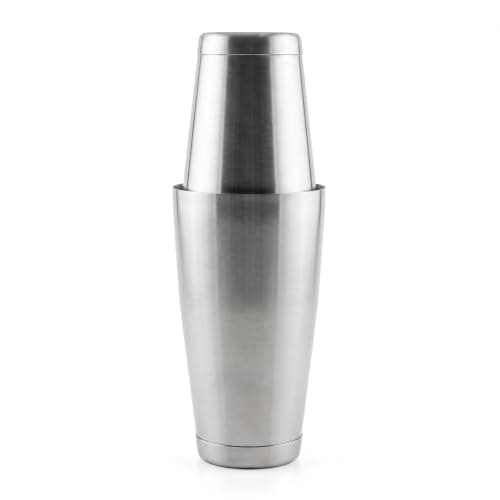
Tools — a shaker and a jigger. Under the price of two bar stools, and the difference between pouring drinks and making them.
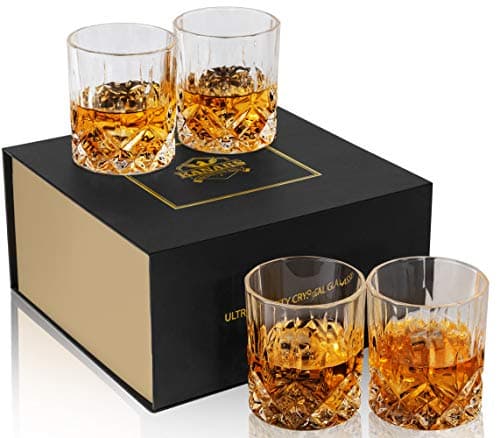
Glassware — four shapes cover every drink.
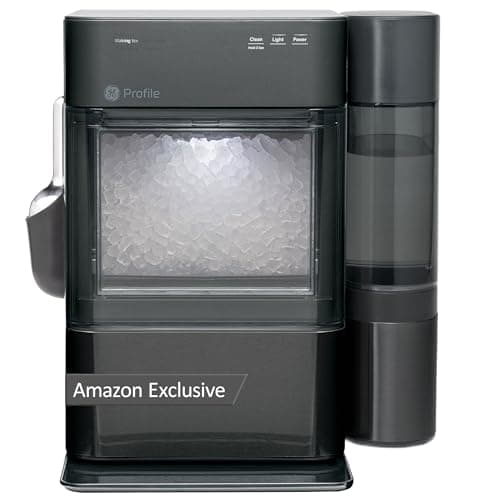
Ice — the cheapest single upgrade that makes a bar feel like a bar.
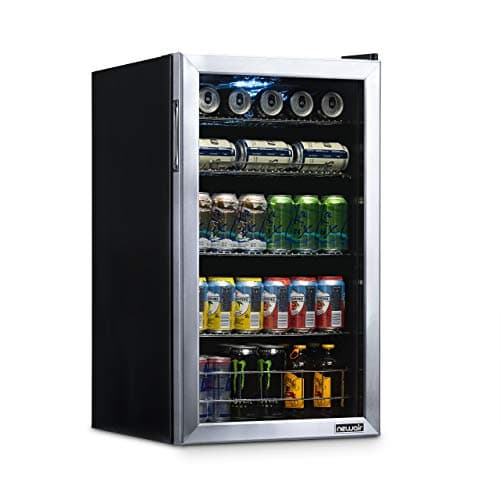
Cold storage — a beverage fridge is the appliance a bar opens daily.
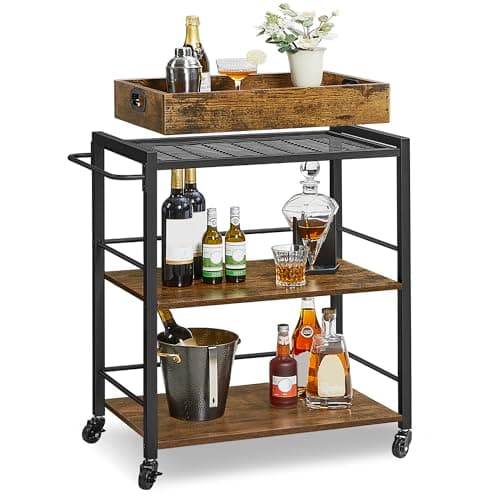
Seating and storage — stools and a cart, which decide whether people stay.
A game — darts or a table. The thing that turns a bar into a room people go to.
We have not tested any of this equipment. Every pick is built from published specifications, dimensions, capacities and what ships in the box, together with owner-review consensus reported as other people's experience — see how we pick. Prices come live from Amazon and carry the date we verified them.
The short answer
In a hurry? These are the picks we'd buy. Prices are live; tap a card below for the full reasoning.
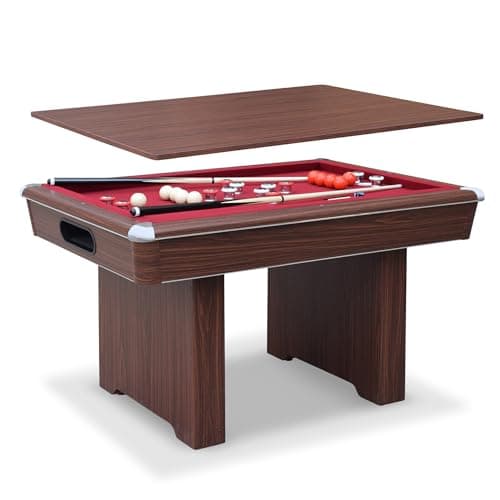
Hathaway Renegade II 54-in Bumper Pool Table (3-in-1)
A 54-inch bumper pool table that converts to poker and dining, so it fits rooms a pool table cannot and earns its footprint three ways.
Stage
6 — A game
Games
Bumper pool, poker, dining
Room needed
~11 x 11 ft
Cheaper option
A dartboard and a surround
Pros
The single purchase that most changes how a room gets used
Fits where a pool table will not
Three uses from one footprint
Cons
By far the most expensive stage
Needs genuine floor space and a two-person assembly
A dartboard does much of the same job for a fraction of the cost
Best for: A game — the purchase that changes the room, not just the drinks.
Skip this
The budget traps that look cheap and cost you twice. We'd skip these.
Buying the furniture first
Stools and a cart look like a bar and do not make a drink. People who buy furniture first end up with a handsome corner they do not use. Tools, glasses and ice cost a fraction as much and are what make the bar work.
A wine fridge when what you need is a drinks fridge
Wine fridges run at 41 to 65°F, which is cellar temperature. Beer and mixers from one are not cold. Unless wine is specifically the point, a beverage fridge is the appliance you will open daily.
A 20-piece bar kit instead of five good tools
Beyond a shaker, jigger, strainer, bar spoon and muddler, kits pad with pourers, picks and recipe cards — and the money came out of the shaker and jigger, which are the two pieces you actually notice.
How to choose (and what to skip)
Stage 1: tools, because ratios are the recipe
A shaker and a jigger, plus a Hawthorne strainer, a bar spoon and a mixing glass. The jigger is the piece to be fussy about — a Japanese-style 1 oz / 2 oz jigger with internal graduations lets you hit 1/2, 3/4 and 1 1/2 oz. Eyeballing measurements is the single most common reason a home cocktail tastes wrong, and it is the cheapest problem on this page to fix.
Stage 2: four glass shapes, not a cabinet full
A heavy-base rocks glass, a tall highball, a stemmed coupe for drinks served up, and a wine glass. That covers essentially every drink. Buy in fours or sixes in a pattern you can re-buy, and assume breakage — which is a good argument against expensive crystal for a bar that gets real use.
Stage 3: ice, which improves every drink at once
Freezer-tray ice is small, wet, cloudy and tastes of the freezer, and it waters a drink down before you have finished shaking. A countertop ice maker is the cheapest purchase that upgrades every drink simultaneously. Choose nugget for sodas and long drinks, clear cube for spirits, and treat rated output as pounds per 24 hours of running rather than a basket that stays full.
Stage 4: cold storage, and the one spec that catches people
A beverage fridge runs cold, into the mid-30s°F, with flat shelves for cans. Check two things: the real capacity (published can counts assume nothing but 12 oz cans), and whether the unit is rated freestanding or built-in. Freestanding units vent from the back and must not be enclosed in cabinetry — that mismatch is the most common installation regret in this category.
Stage 5: seating and storage, measured properly
For stools, measure floor to the underside of the counter and subtract 10 to 12 inches, then allow 26 to 30 inches of bar width per stool. For a cart, you need about 13 inches of shelf clearance for a 750 ml bottle to stand upright. Both are arithmetic, both are the reason these two products get returned, and both take thirty seconds to check.
Stage 6: a game, chosen by floor space
Darts needs a patch of wall and 8 feet of standing room, and is the best value game here by a wide margin. Shuffleboard needs length but almost no width. Bumper pool needs about 11 by 11 feet. A 7-foot pool table needs about 17 by 13 feet. Measure the clear floor first and buy the best game that genuinely fits, because a cramped table is worse than a smaller one.
What a complete home bar actually consists of
Stripped to essentials: something to make drinks with, something to drink them from, ice, somewhere cold to keep what needs to be cold, somewhere to put it all, and a reason to stay in the room. That is the whole list, and the six stages above map onto it directly.
What is conspicuously not on the list is bottles. Spirits are the one part of a home bar that genuinely does not need a buying guide: six bottles — a whiskey, a gin, a tequila, a rum, a vermouth and a bitter liqueur — cover most of the standard cocktail canon, and which ones you buy is a matter of taste rather than specification. Equipment is where the decisions are, which is why this site is about equipment.
Where the money goes, and where it should
The pattern in most home bars is inverted: the largest spend goes on furniture and the smallest on tools, which is exactly backwards in terms of how much each changes the result. The cost of stage one and stage two together — a shaker, a jigger, a strainer, a mixing glass, a spoon and four glasses — is less than one bar stool, and it is the difference between a bar that produces good drinks and one that does not.
If budget is the constraint, stop after stage three. Tools, glasses and an ice maker on an existing kitchen counter is a genuinely complete bar. Everything after that is about the room rather than the drink, and it can wait.
Planning a built-in bar instead
If the bar is being built rather than assembled, two decisions are worth making before the cabinetry goes in. First, plan for 15-inch undercounter openings — that is the standard width, and beverage fridges, wine fridges, dual-zone units and ice makers all exist in it, so the opening stays useful whatever you decide later.
Second, run a water line and a drain to one of those openings and cap them, even if you are not buying an ice maker now. The cost at build time is trivial; retrofitting a drain into finished cabinetry is the expensive part, and it is the single most common regret in a built home bar.
The game room half
A bar and a game are the two halves of the same room, and the game is what makes people stay. The decision is entirely about floor space, and the order of how little space each needs is: darts (a patch of wall), shuffleboard (a strip along a wall, no side clearance), air hockey (about 13 by 6 feet), bumper pool (about 11 by 11 feet), then pool (about 17 by 13 feet).
Darts is the recommendation for almost everyone starting out, because a tournament-specification board plus a surround costs less than a set of glasses and gives you a real competitive game forever. If the room can take a table, our bumper pool versus pool comparison is the decision most people face next.
Frequently asked questions
What equipment do I need for a home bar?+
Six things, in this order of value: cocktail tools (shaker, jigger, strainer, bar spoon, mixing glass), four glass shapes, an ice maker, a beverage fridge, somewhere to store it all, and a game. The tools and glasses cost less than a single bar stool and make more difference than anything else on the list.
What should I buy first for a home bar?+
A shaker and a jigger. Cocktails are ratios, and accurate measuring is the difference between a drink that tastes right and one that does not — it is also the cheapest problem to fix. Glassware second, ice third. Furniture is the most common first purchase and the least useful one.
How much does a home bar cost to set up?+
Tools and glassware together cost less than one bar stool, and that is a working bar on an existing counter. Adding an ice maker and a beverage fridge is the next tier and is where most of a modest budget goes. A game table is typically the largest single item, and a dartboard does much of the same job for a small fraction of it.
Do I need a wine fridge or a beverage fridge?+
A beverage fridge, for almost everyone. It runs cold, into the mid-30s°F, with flat shelves for cans and mixers — the things a bar opens daily. A wine fridge runs at 41 to 65°F, which is cellar temperature, so drinks from one are not cold. If you keep both seriously, a dual-zone unit solves it properly.
What is the best game for a home bar?+
Darts, unless you have real floor space. A tournament-specification board plus a surround needs only a patch of wall and about 8 feet of standing room, costs less than a set of glassware, and is a genuine competitive game. If you have the floor, shuffleboard fits narrow rooms and bumper pool fits rooms a pool table cannot.
Prices and availability shown here come from Amazon's live data and change often; we re-verify them regularly. Bar Bumper is an Amazon Associate and earns a commission on qualifying purchases at no extra cost to you. Read our full disclosure.