A usable home bar — somewhere to put the bottles, two seats, cold drinks, ice, tools and glasses — runs around six hundred dollars. Here is the itemized list, priced live.
Updated October 2026 · By Stephen V.
A complete, usable home bar costs around $600 at the time of writing: a cart or cabinet for the bottles, two stools, a beverage fridge, a countertop ice maker, a tool set and three shapes of glass. The table below itemizes exactly that build with live prices and a running total, so the number is a real sum rather than an estimate.
The reason “what does a home bar cost” gets such a wide range of answers is that people are pricing different things. There are three honest tiers. A bar cart build — cart, tools, glasses, ice — is roughly $200 to $300 and is a complete bar in the sense that you can make any drink. A furnished bar, the one priced below, adds seating and cold storage and lands around $600 to $900. A built bar — cabinetry, a plumbed sink, an undercounter fridge and ice maker, a kegerator — starts around $2,500 in parts and goes as far as you want, because at that point you are buying joinery.
What decides which tier you need is not budget, it is the room. If the bar is a corner of a living room, the cart build is the right answer and the furniture money would be wasted. If it is a basement wall or a garage bench, the furnished tier is what makes it get used. Our home bar layouts page sets out five of them with the floor space each one needs, which is the right thing to read before spending anything.
Four purchases do most of the work in the list below, and they are the ones worth reading about before you order. Everything in the table and in the picks is a current Amazon listing, priced live with the date we verified it.
The short answer
In a hurry? These are the picks we'd buy. Prices are live; tap a card below for the full reasoning.
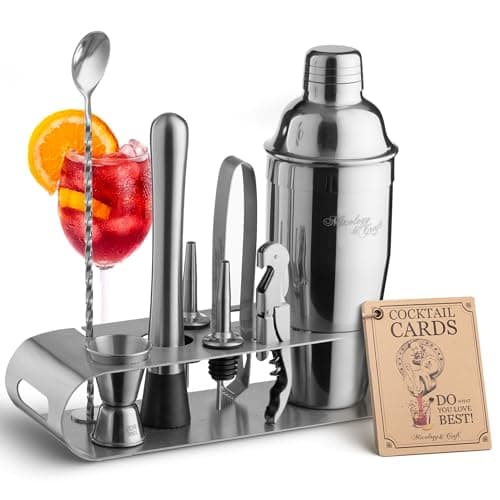
Mixology & Craft Cocktail Shaker Set with Metal Stand
A shaker set with a stand for about thirty dollars — the cheapest line on the list and the one without which nothing gets made.
Type
Cocktail shaker set
Includes
Shaker, tools, metal stand
Tier
Cart build and up
Brand
Mixology & Craft
Pros
Around thirty dollars for the tools that make every drink possible
The stand keeps the tools at the bar and makes the cart look deliberate
Covers shaking, straining, measuring and stirring in one purchase
Nothing else on this list is as cheap relative to what it unlocks
Cons
Entry-level tools; a serious shaker is a later upgrade
Cobbler-style shakers can jam when very cold — see our shaker comparison
A kit always includes a tool or two you will never use
Best for: Every tool a home bar actually needs, in one box.
The total: what this build actually costs
The furnished-bar build, itemized. Every line is a specific current listing, and the running total is summed live from Amazon prices rather than estimated. Swap any line for a cheaper or pricier equivalent and the shape of the total stays the same: furniture and cold storage are roughly two thirds of it, and the parts that actually make drinks are the cheapest third.
Item
Price
Running total
Buy
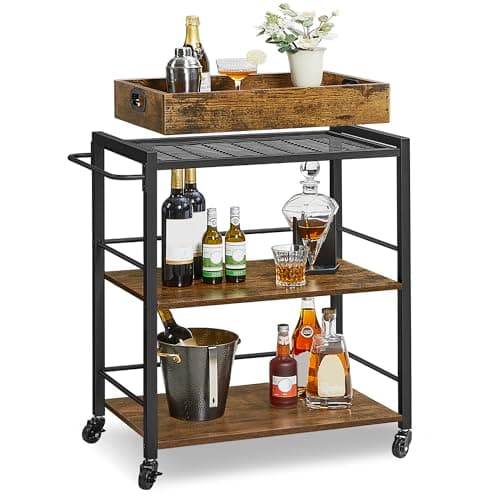
Somewhere to put it allCart with wine rack and stem holderVASAGLE Bar Cart with Wine Rack & Glass Holder
Live grand total as of October 17, 2026, summed from the current Amazon prices above. Prices move; the number updates when we re-verify.
Not included, deliberately: the bottles. A starting back bar of six spirits plus vermouth, bitters and citrus is its own cost and varies enormously by what you drink — budget roughly $150 to $250 for a six-bottle start.
Skip this
The budget traps that look cheap and cost you twice. We'd skip these.
A full built bar, as a first home bar
Cabinetry, a plumbed sink, an undercounter fridge, an undercounter ice maker and a kegerator is a $2,500 to $6,000 project, and the single most common regret in this category is building one before knowing whether the room gets used. Build the furnished tier first, live with it for a season, and you will know exactly which built-in pieces are worth it — usually the fridge and the ice, rarely the sink.
Expensive crystal glassware
Glassware is the cheapest category on the list and the one most likely to break, because a bar is a room where people are standing up with drinks in their hands. Buy sturdy, re-buyable patterns in fours and sixes. Spend the glassware money saved on ice instead, which improves every single drink; our <a href="/ice-makers/best-ice-maker-for-home-bar">home bar ice maker page</a> makes that case with numbers.
How to choose (and what to skip)
Tier 1: the bar cart build, about $200 to $300
A cart, a tool set, three shapes of glass and a countertop ice maker. This is a complete bar in the only sense that matters — you can make any standard cocktail — and it fits in the corner of a living room. If your bar is in a room that is primarily something else, stop here; the furniture spend has nowhere to go.
Tier 2: the furnished bar, about $600 to $900
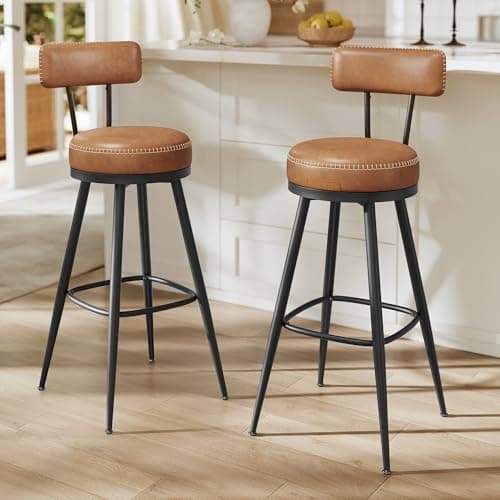
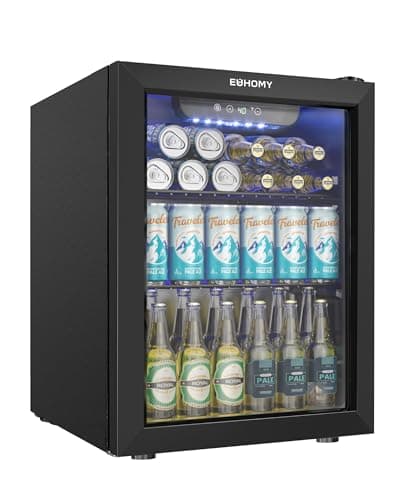
Everything in tier 1, plus two stools and a beverage fridge, and often a cabinet instead of a cart. This is the tier the table above prices. It is the point at which a bar becomes a destination in the house rather than a station in a room, and the stools and the fridge are what do that — people sit, and nobody has to leave for ice or mixers.
Tier 3: the built bar, $2,500 and up
Cabinetry with a 40 to 42-inch top, an undercounter beverage fridge or wine fridge, an undercounter ice maker, possibly a kegerator and a sink. The appliances are the predictable part; the cabinetry and any plumbing are what make the range so wide. Buy the undercounter fridge and the ice before the sink — a sink is the item people install and then never use, because a bar twenty feet from a kitchen does not need one.
Where the money is actually worth spending
In order: ice, cold storage, seating, then everything else. Good ice changes every drink you make and costs under $100 in countertop form. Cold storage stops the bar depending on the kitchen. Seating decides how long people stay. Tools and glassware matter but are cheap, and the furniture that looks most impressive in photographs — the cabinet, the back bar, the shelving — is the part you can add last and cheapest.
The running costs nobody budgets for
Three of them. A beverage fridge runs continuously, which is a small but real line on a power bill. A countertop ice maker needs descaling, and its ice melts back in the bin overnight unless you move it to a freezer. And a kegerator needs its lines cleaning every couple of weeks, which is the running commitment that turns people off draft — our <a href="/guides/how-to-clean-a-kegerator">kegerator cleaning guide</a> is honest about the half hour it takes.
Why the furniture is two thirds of the bill
Look at the table and the split is stark: the cart, the stools and the fridge are roughly two thirds of the total, while the tools and all three sets of glasses together are less than a fifth. That is worth internalizing because it inverts how most people plan a bar. The parts that make drinks are nearly free; the parts that make a room a place to drink them are what you are actually buying. It also means the single best way to cut a home bar budget is to use furniture you already own — a sideboard, a bookcase, a kitchen counter — and spend the money on ice and cold storage instead.
What changes the total most
Seating count. Two stools is about $150; four is $280 to $380, and that one decision moves the total more than anything except the fridge. Fridge size. A 68-can countertop unit is around $160; a 15-inch undercounter unit holding 130 cans is well over $300 and needs a cabinet opening. Ice. A countertop bullet machine is under $70; a clear-cube machine is nearer $200; an undercounter plumbed machine is $500 and up. Draft. Adding a kegerator adds $500 to $900 and a maintenance routine. Everything else is noise by comparison.
A bar in a game room costs less than you think
If the bar is going into a room that already has a bumper pool table or a dartboard in it, you are further along than a blank basement. The room already has seating, lighting and a reason for people to be in it, which means the bar can be the cart tier plus a fridge and still feel complete — call it $400. That is the cheapest genuinely good home bar there is, and it is the one we would build first in almost any house. Game room layouts covers how the two fit in one room.
The order to buy in
If the whole budget is not available at once, the order matters more than the total. Buy the tools and glasses first, because they are cheap and nothing happens without them. Buy ice second. Buy the cart or cabinet third — until then the bottles can live on any surface. Buy the fridge fourth and the stools last, because those two are the expensive pair and they are the ones whose right size you will only know once the bar exists. Our home bar essentials, in the order to buy them page sets out the same sequence in more detail, with what each stage adds.
Our verdict
The number to hold in your head is about $600 for a bar that gets used — the itemized build above — and about $250 for one that works, which is the cart tier. Both are real sums from real listings, and the gap between them is entirely furniture and cold storage. Anything above $1,000 is cabinetry, plumbing or draft beer, and all three are better decided after a season of using the cheap version.
Frequently asked questions
How much does it cost to set up a home bar?+
Around $600 for a furnished bar with a cart or cabinet, two stools, a beverage fridge, an ice maker, tools and three shapes of glass — the itemized build on this page, priced live. A bar cart build with no furniture or fridge is about $200 to $300. A built bar with cabinetry, an undercounter fridge and plumbing starts around $2,500.
What is the cheapest way to build a home bar?+
Use furniture you already own for the surface and storage, and spend the money on the parts that change the drinks: a tool set, three shapes of glass and a countertop ice maker. That comes to roughly $150 to $200 and you can make any standard cocktail with it. Add a beverage fridge next, and stools last.
What do you actually need for a home bar?+
Somewhere to put the bottles, tools to make the drinks, three shapes of glass, and good ice. Those four are the bar. Seating and cold storage are what make it a room people stay in rather than a station they visit, and they are the expensive half of the build.
How much does a built-in home bar cost?+
From about $2,500 in parts and appliances, with no realistic upper limit. The appliances are the predictable share — an undercounter beverage fridge, an undercounter ice maker and possibly a kegerator — while the cabinetry, countertop and any plumbing are what make the range so wide. Most of the enjoyment arrives in the first $600.
Is a home bar worth it?+
It is if the room it goes in gets used for something else already — a basement den, a game room, a finished garage. A bar in a room nobody visits does not get visited either. The honest test is whether people currently spend time in that room; if they do, a $600 bar changes it considerably.
Do you need a sink in a home bar?+
Almost never, in a house. A sink adds plumbing cost and cabinet space and is the single most commonly installed and least used feature of a home bar twenty feet from a kitchen. Spend the money on an ice maker and a fridge, which both get used every time the bar does.
How much should I budget for the bottles?+
Roughly $150 to $250 for a six-bottle start plus vermouth, bitters and citrus. That is deliberately not in the build table above, because it varies more than anything else on the list and because it is a recurring cost rather than a setup cost. Our step-by-step setup guide covers which six bottles to start with.
Prices and availability shown here come from Amazon's live data and change often; we re-verify them regularly. Bar Bumper is an Amazon Associate and earns a commission on qualifying purchases at no extra cost to you. Read our full disclosure.