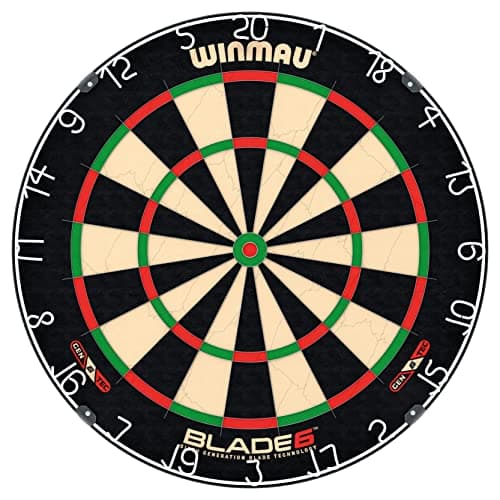
Best dartboard
The best dartboards
Five bristle dartboards and cabinet sets ranked on wire gauge, bullseye mounting and sisal density — plus the regulation mounting dimensions.
Updated October 2026 · Stephen V.
Our top pick
The cheapest real game you can put in a home bar, and the one that needs the least floor. Steel-tip versus electronic, what sisal quality actually buys, and how to hang a board to regulation.

Darts is the best value in this entire site. For well under the price of any game table you get a real competitive game, it occupies a patch of wall rather than a patch of floor, and the equipment lasts a decade. It is also the category where the cheap option is most obviously cheap: the difference between a $20 board and a $65 board is visible on the first throw, and it is the one place here where we tell you not to buy at the bottom.
The whole category comes down to one fork: steel-tip into sisal, or soft-tip into plastic with an electronic scorer. Neither is better. They answer different questions, and the right one depends on who is throwing and what is behind the board.
Three things, in this order. Wire gauge and mounting: premium boards use thin, blade-style wire mounted flush or below the sisal surface, so a dart that lands on a wire deflects in rather than bouncing out. Thick, round, staple-mounted wire on a cheap board rejects darts that should have scored. Sisal density: denser, more evenly compressed fibre closes tighter and wears far more slowly. Staple-free bullseye: on better boards the bullseye wire is not stapled, which removes the single most common bounce-out point on the board.
That is the whole premium argument, and it is real. A tournament-specification board at $60 to $110 will out-live three $25 boards and is more enjoyable every single throw. Below about $35 you are buying a board that will develop a bald spot in the treble twenty within a year.
Regulation mounting is 5 feet 8 inches from the floor to the centre of the bullseye, and 7 feet 9.25 inches along the floor from the face of the board to the throw line. Those two measurements are fixed worldwide and every scoring statistic you have ever read assumes them. Hang the board anywhere else and you are not playing the same game as everyone else. Our mounting guide walks the measurement, including the diagonal shortcut for an uneven floor.
The mistake buyers make: buying a good board and no surround. A surround is a $20 ring of dense foam or felt that catches everything you miss with, and without one a bristle board will put a constellation of pinholes in your drywall in the first month. If you are hanging a steel-tip board on a finished wall, treat the surround or cabinet as part of the board's price, not an accessory.
Each with live prices, our spec-scoring, and the models to skip.
Five bristle dartboards and cabinet sets ranked on wire gauge, bullseye mounting and sisal density — plus the regulation mounting dimensions.
Our top pick
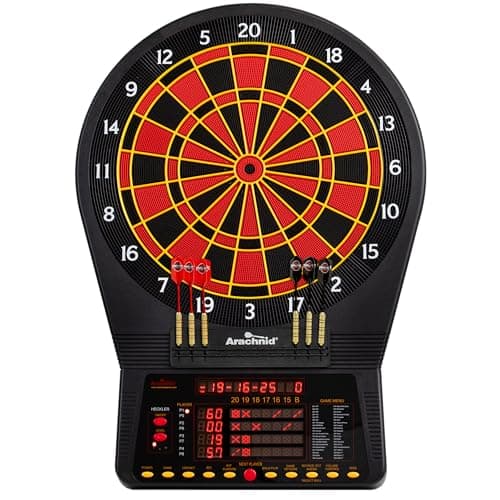
Four electronic soft-tip dartboards ranked on scoring, segment quality and game count — including app-connected and cabinet-mounted options.
Our top pick
Sisal steel-tip against electronic soft-tip on scoring, wall damage, safety, noise and feel — with a pick for each household.
Our top pick
These two pages put every category together — what to buy in which order, and the layouts that fit the floor space you actually have.
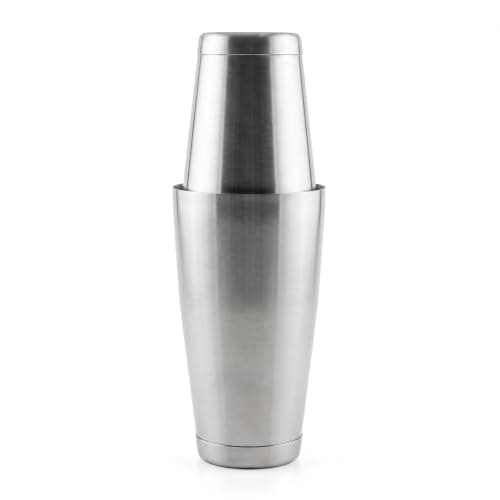
The complete home bar and game room build, ordered by how much each purchase changes the room — with live prices and a pick for each stage.
Our top pick
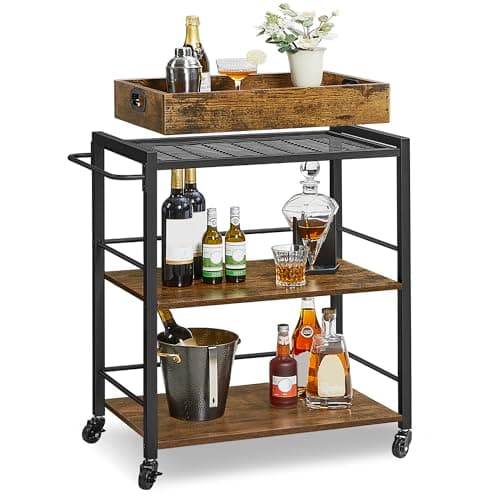
Five home bar layouts by available space — cart, wall, alcove, basement and garage — with the equipment and clearances each one needs.
Our top pick