They look the same and they are not interchangeable. One runs at cellar temperature, the other runs cold, and that single difference decides which one you need.
Updated October 2026 · By Stephen V.
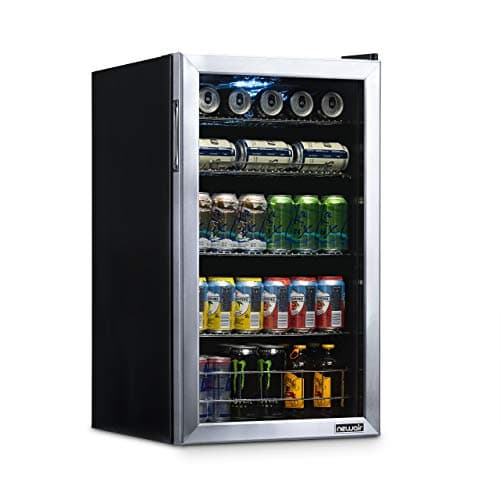
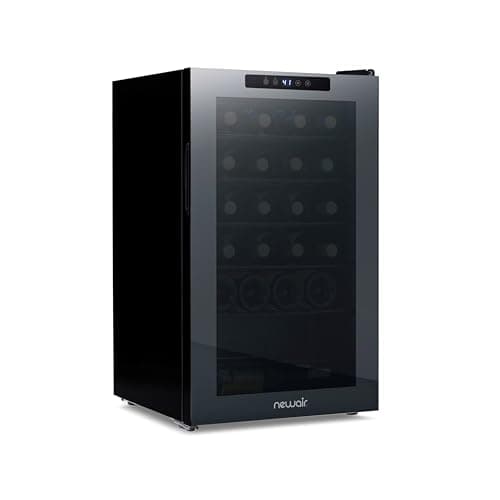
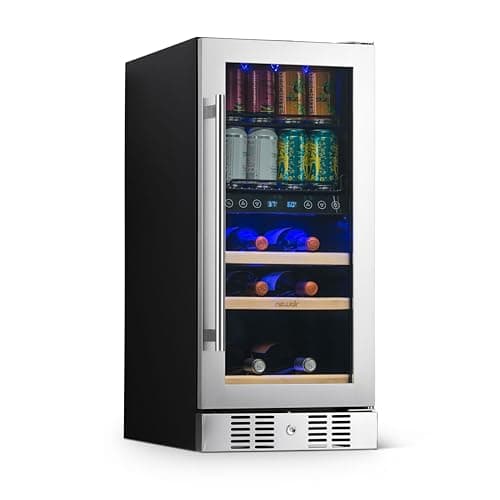
Buy a beverage fridge unless wine is specifically the point; if you keep both seriously, buy a dual-zone unit. The NewAir 126-can is the beverage pick, the NewAir 17-inch 24-bottle the wine pick, and the NewAir 15-inch dual zone the answer when you have one cabinet opening and both problems.
The two appliances look nearly identical from the outside — a compressor, a glass door, a digital thermostat — and they are built for incompatible jobs. A beverage fridge runs cold, into the mid-30s°F, with flat wire shelves for cans. A wine fridge runs warm, roughly 41 to 65°F, with contoured shelves that lay bottles on their sides so the cork stays wet. Neither can do the other's job properly, and that is a design decision rather than a limitation.
The short answer
In a hurry? These are the picks we'd buy. Prices are live; tap a card below for the full reasoning.
$839.9925% offPrice as of October 7, 2026·#addisclosure
NewAir 15-in Dual-Zone Beverage & Wine Cooler
Nine bottles at cellar temperature and 48 cans properly cold, in a single 15-inch cabinet rated for built-in or freestanding use.
Zones
Dual, independently controlled
Capacity
9 bottles + 48 cans
Width
15 in
Install
Freestanding or built-in
Pros
Solves the actual problem instead of compromising on one side
Built-in capable, so it fits flush in cabinetry
One appliance, one opening, one power outlet
Cons
Much lower total capacity than a single-purpose unit of the same width
Highest cost per can or per bottle here
48 cans is not enough for a party
Best for: One 15-inch opening and both requirements.
How to choose (and what to skip)
Start from what you open daily
The appliance you should buy is the one that solves your most frequent need. For most households that is cold cans, seltzer and mixers, which means a beverage fridge. Wine that will be drunk within a year or two is perfectly happy on a shelf in a cool cupboard; wine does not need refrigeration to survive, it needs it to be served and stored well.
Count how much wine you really keep
A dedicated wine fridge earns its place when you hold a dozen or more bottles you care about and want them at serving temperature. If you keep four bottles and drink them within a month, a wine fridge is a large appliance solving a small problem, and that space would hold a lot of cold drinks.
When dual zone is the right answer
One cabinet opening and a genuine need for both. The compromise is total capacity: a 15-inch dual-zone unit holds far less in each zone than a 15-inch single-purpose unit holds overall. If you have room for two appliances, two single-purpose units are better value and better at their jobs.
The venting rule applies to both equally
Whichever you buy, check whether it is rated freestanding or built-in. Freestanding units vent out of the back and must not be enclosed; built-in units vent through the front grille and sit flush. This catches as many wine-fridge buyers as beverage-fridge buyers, and the consequence is the same: a unit that runs constantly and fails early.
Why a wine fridge runs warm
Wine is damaged by cold as well as by heat. Refrigerator temperatures dull aromatics, flatten the structure of a red, and over long periods can dry a cork as the humidity drops. Cellar conditions — a steady 55°F, moderate humidity, no light, no vibration — are what wine fridges reproduce. The temperature band of 41 to 65°F exists to cover sparkling at the bottom and full-bodied reds at the top.
That is the whole reason a wine fridge cannot chill a beer. It is not underpowered; it is deliberately set to a range that would make a lager unpleasant. Setting a wine fridge to its minimum gets you around 41°F at best, which is still warmer than a drinks fridge, and doing so means the wine inside is no longer stored properly either.
Can you put wine in a beverage fridge?
For short periods, yes, with two caveats. Wine served straight from a mid-30s°F fridge is too cold — whites need twenty minutes out, reds considerably longer — and the flat shelves mean bottles stand upright, which is fine for weeks and not for years because the cork dries. For bottles you will open within a month or two, a beverage fridge is a perfectly reasonable place to keep wine, and a lot of people do exactly that.
The reverse does not work at all. Beer, seltzer and mixers from a wine fridge are simply not cold, and no setting fixes it. If you only have budget or space for one appliance and you drink both, the beverage fridge is the one that fails more gracefully.
What the two cost per unit of usefulness
Beverage fridges deliver far more usable volume per dollar, because flat wire shelves pack more efficiently than contoured bottle racking and because the category is more competitive. A 126-can beverage fridge and a 24-bottle wine fridge occupy similar footprints at similar prices, and the beverage fridge holds considerably more drinkable volume.
That is not an argument against wine fridges — if you have wine worth storing properly, nothing else does the job. It is an argument for being honest about which problem you have. The commonest mistake in this category is buying a wine fridge for a bar that mostly serves cans, then keeping cans in it and wondering why nothing is cold. For a full bar build, our setup guide covers how the cold storage, ice and counter run fit together.
Frequently asked questions
Can I use a wine fridge as a beverage fridge?+
Not really. Wine fridges are built to hold roughly 41 to 65°F, so even at their coldest setting drinks come out warmer than most people want, and the contoured racking wastes space for anything that is not a bottle. If you need one appliance for both, a dual-zone wine and beverage unit is the product that exists for it.
Can I store wine in a beverage fridge?+
For months, yes — many people do. Two caveats: wine served straight from a mid-30s°F fridge is too cold and needs time out of it, and upright storage eventually dries the cork, so it is not suitable for multi-year cellaring. For bottles you will open fairly soon it is a perfectly sensible place to keep them.
Is a dual-zone fridge worth it?+
If you have one cabinet opening and genuinely keep both wine and cold drinks, yes — it solves the problem rather than compromising on one side. The cost is total capacity: each zone holds considerably less than a single-purpose unit of the same width. With room for two appliances, two dedicated units are better value.
Which should I buy first for a home bar?+
A beverage fridge, for almost everyone. Cans, seltzer and mixers are what a bar runs out of and what you open daily, and a beverage fridge will also hold wine acceptably for a few months. Wine that will be drunk within a year or two keeps fine in a cool cupboard until you are ready for a dedicated wine fridge.
Prices and availability shown here come from Amazon's live data and change often; we re-verify them regularly. Bar Bumper is an Amazon Associate and earns a commission on qualifying purchases at no extra cost to you. Read our full disclosure.