Five layouts, from a cart in a corner to a full basement bar, each with the floor space it needs and the equipment that makes it work.
Updated October 2026 · By Stephen V.
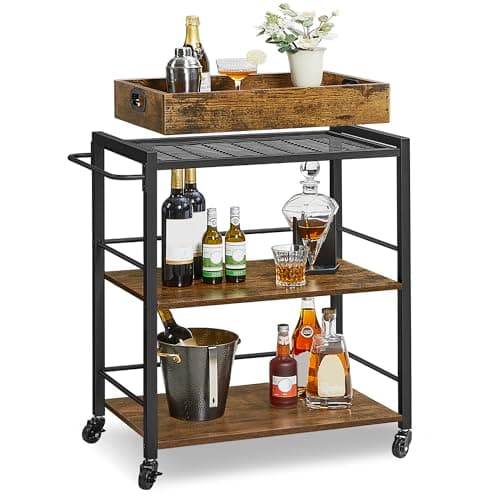
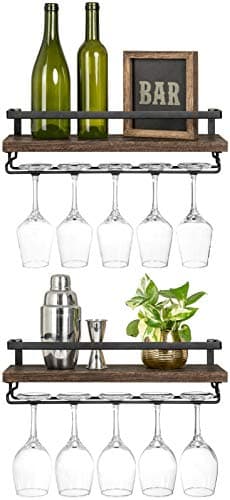
The best home bar idea is the one that fits the space you actually have, and in most homes that is a cart plus a wall rack rather than a built bar. Our starting pick is the VASAGLE cart with a wine rack and stemware rail, because it holds bottles, glasses and tools at once — and a Mkono wall rack beside it stores more bottles in space that was doing nothing.
Most home bar inspiration is photographs of finished basements. Useful if you have a finished basement; not much help otherwise. This page is organised the other way round — by the space you have, from a few square feet to a whole room — with the clearances each layout genuinely needs and the equipment that makes it work rather than just look good.
The cart bar — about 3 square feet. Works in any room, moves, and is a complete bar.
The wall bar — no floor space at all. Shelves and racks on a wall, with a cart or counter for service.
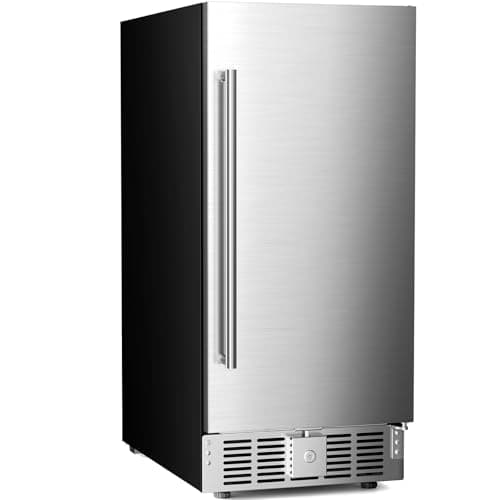
The alcove bar — 3 to 6 feet of wall. A counter run with an undercounter fridge, which is where a bar stops being furniture.
The basement bar — a dedicated room. Counter, stools, cold storage, ice and a game.
The garage bar — a bay. Cheapest per square foot, hardest on equipment.
Every product referenced is one this site ranks on a full roundup, with prices pulled live from Amazon and the date we verified them. We have not tested any of it — see how we pick.
The short answer
In a hurry? These are the picks we'd buy. Prices are live; tap a card below for the full reasoning.
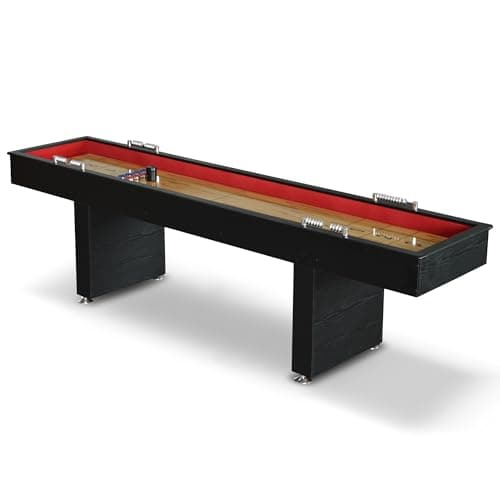
A 9-foot shuffleboard table is about 20 inches wide and needs no side clearance, so it fits along a wall where nothing else will.
Space needed
~11 x 3 ft plus standing room
Length
9 ft
Side clearance
None required
Noise
Near-silent
Pros
Fits long narrow rooms that no other game table suits
Near-silent — the right game under a bedroom
The only table here you can play comfortably holding a drink
Cons
9 ft is short for strategic play; 12 ft is the bar length
Needs 11 feet of uninterrupted wall
Wax and a brush are necessary accessories, not optional
Best for: Adding a real game where no table seems to fit.
Skip this
The budget traps that look cheap and cost you twice. We'd skip these.
Copying a photographed basement bar into a smaller room
Inspiration photographs are shot in rooms with clearances the layout depends on. A full bar run with stools needs about 5 feet of depth before anyone can walk behind a seated guest. Measure the depth first and pick a layout that fits it.
A game table that fits the room but not the shot
A pool table needs its own footprint plus a full cue length on every side — about 17 by 13 feet for a 7-footer. Fitting the table in and then playing every rail shot with a shortened cue against a wall is the most common game-room regret.
Open bottle display in a sunlit room
Light degrades spirits slowly and liqueurs faster, and direct sun will fade labels within a season. Open shelving is the look everyone wants; put it on the wall that does not get sun, or keep the bottles you care about in a cabinet.
How to choose (and what to skip)
Start with the depth of the space, not the width
Width decides how much bar you can have; depth decides whether it works. A counter with stools needs about 2 feet for the stool and another 3 for someone to pass behind a seated guest. If you have less than 5 feet of depth, a wall bar or a cart is the right layout and a counter run is not.
Plan for a 15-inch opening even if you are not buying an appliance yet
Fifteen inches is the standard undercounter width, and beverage fridges, wine coolers, dual-zone units and ice makers all exist in it. Framing a 15-inch opening into a counter run keeps every option open. Framing an odd width closes most of them.
Run a water line and a drain while the wall is open
If there is any chance you will want a plumbed ice maker, run a 1/4-inch supply line and a drain to the cabinet and cap them. The cost at build time is negligible; cutting a drain into finished cabinetry later is the expensive part, and it is the most common regret in a built bar.
Pick the game from the clear floor, in this order
Darts needs a 3-foot patch of wall and about 9 feet of standing room. Shuffleboard needs length and about 3 feet of width with no side clearance. Air hockey needs about 13 by 6 feet. Bumper pool needs about 11 by 11. Pool needs about 17 by 13. Buy the best game that genuinely fits rather than squeezing in the one you wanted.
Light the bar separately from the room
The single cheapest thing that makes a home bar look like a bar is dedicated light on the back wall or under a shelf, with the room lights down. It costs almost nothing, and it is the difference between a corner of a room and a place. A hanging light over a game table does the same job and also removes the shadows you otherwise play in.
The cart bar: the one most people should build
A cart with bottles, a tool stand, glasses and an ice bucket is a complete working bar in about three square feet, and it can be assembled in an afternoon with no commitment to a room. Add a wall rack above or beside it and you have storage for a real collection in space that was previously doing nothing.
Its two limitations are cold storage and ice, and both have cheap answers: an ice bucket filled from a countertop ice maker, and a compact beverage fridge standing beside the cart rather than built under anything. That combination — cart, wall rack, small fridge, countertop ice maker — is a genuinely complete home bar with no building work at all.
Alcove and basement: where the money starts
An alcove bar is a short counter run against a wall with one or two 15-inch undercounter appliances beneath it and racks above. It is the first layout where the bar becomes part of the room rather than furniture in it, and it is dramatically cheaper than a full basement build because it needs no seating depth and no second wall.
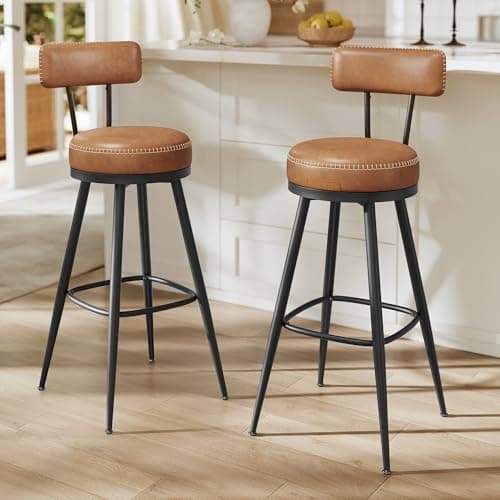
A basement bar adds the things that need a room: stools at a raised top, both a beverage fridge and cold storage for wine, possibly a kegerator, and a game table. Two numbers govern it: 26 to 30 inches of bar width per stool, and about 5 feet of depth in front of the bar so people can pass behind someone seated.
The garage bar, honestly
A garage bay is the cheapest square footage in a house and the least kind to equipment. Two practical consequences. Any refrigeration must be a compressor unit rated for a wide ambient range — thermoelectric coolers cannot reach temperature in summer heat, and an unrated fridge can stop cooling altogether in a cold winter garage. And a game table is at home here in a way it is not in a finished room, because noise does not matter.
The upside is space. A garage bay is often the only part of a house that can hold a 7-foot pool table with proper cue clearance, and a bar along the wall beside it is the most complete game room most people can build.
What every layout needs regardless of size
A working surface you can wipe, with a bar mat on it. Light on the bar itself. Glasses stored upside down so they stay clean. Bottles out of direct sun. Tools within reach rather than in a drawer — this one matters more than it sounds, and is the difference between a bar used on a Tuesday and one that comes out for parties. And good ice, which improves every drink made at every one of these layouts.
Frequently asked questions
How much space do you need for a home bar?+
About 3 square feet for a cart bar, which is a complete working bar. Wall-mounted racks need no floor space at all. An alcove bar needs 3 to 6 feet of wall. A bar with stools needs about 5 feet of depth so people can pass behind someone seated, plus 26 to 30 inches of bar width per stool.
What is the cheapest way to build a home bar?+
A bar cart plus a wall-mounted rack. Together they hold bottles, glasses and tools for very little money, need no building work, and can move rooms. Add a countertop ice maker and a compact beverage fridge beside the cart and you have a complete bar with nothing built in.
What makes a home bar feel like a real bar?+
Dedicated light on the bar with the room lights down, a wipeable working surface with a bar mat, glasses hanging or stored upside down, tools visible rather than in a drawer, and good ice. All of those are cheap, and together they matter more than the furniture.
Can you have a home bar in a small room?+
Yes — a cart and a wall rack work in any room, and a 9-foot shuffleboard table needs only about 11 by 3 feet with no side clearance if you want a game too. The layouts that need real space are a counter run with stools and a pool table; everything else scales down.
Can a home bar go in a garage?+
Yes, with one caution: refrigeration must be a compressor unit rated for a wide ambient range. Thermoelectric coolers cannot reach temperature in summer heat, and an unrated fridge may stop cooling in a cold garage. The upside is space — a garage bay is often the only room that can hold a pool table with full cue clearance.
Prices and availability shown here come from Amazon's live data and change often; we re-verify them regularly. Bar Bumper is an Amazon Associate and earns a commission on qualifying purchases at no extra cost to you. Read our full disclosure.