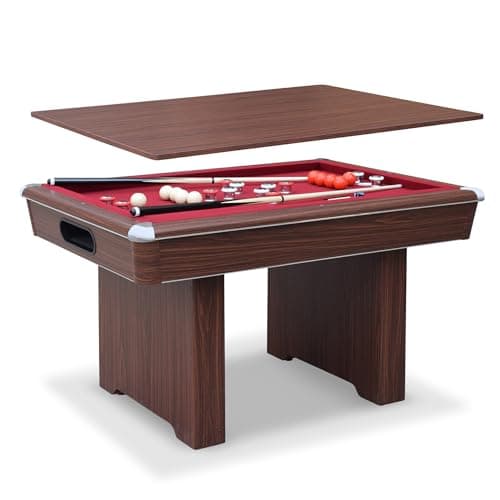
Best bumper pool table
The best bumper pool tables
Five bumper pool tables ranked on play bed, bumper quality and real floor-space needs — including the 3-in-1 tables that convert to poker and dining.
Updated October 2026 · Stephen V.
Bumper pool, pool, air hockey and shuffleboard. The four tables a game room is built around, and the floor-space math that decides which one you can actually fit.
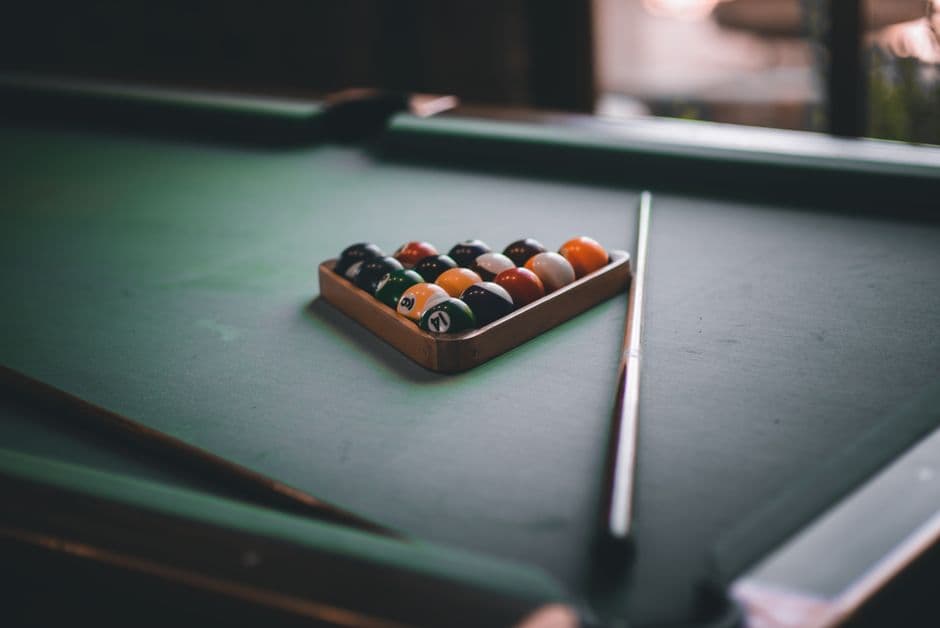
A game table is the single purchase that turns a spare room, a finished basement or a wide garage bay into somewhere people want to spend an evening. It is also the purchase most often made in the wrong order: people pick the table they want, then discover the room cannot hold it. Everything on this hub starts from the opposite end — how much floor you have, measured honestly — because the table that fits and gets played every week beats the better table that nobody can walk around.
The number that matters is never the table's own footprint. It is the footprint plus clearance for a cue, a pusher or a shot. A 7-foot pool table is 78 inches long, but with a 58-inch cue you need roughly 17 by 13 feet of clear room to play it properly. That one piece of arithmetic is why bumper pool exists, and why it is the right answer far more often than people expect.
The mistake buyers make: measuring the room and not the shot. People fit a 7-foot pool table into a room with 9 feet of clearance on one side, then spend years jamming a shortened cue against a wall on every rail shot. Measure the room, subtract the table, and if what's left is under 5 feet on every side, buy the smaller table or buy shuffleboard instead. The second mistake is assembly: most tables here arrive in 150 to 400 lb of boxes and need two people and two to four hours. Factor that in before the delivery truck arrives.
If you want a single recommendation: in a room under about 13 by 13 feet, a 3-in-1 bumper pool table is the highest play-per-square-foot purchase in this whole category. In a room that can genuinely take it, a 7-foot slate pool table is the one people still use in twenty years. Start with the room-size guide if you are not sure which group you are in.
Each with live prices, our spec-scoring, and the models to skip.
Five bumper pool tables ranked on play bed, bumper quality and real floor-space needs — including the 3-in-1 tables that convert to poker and dining.
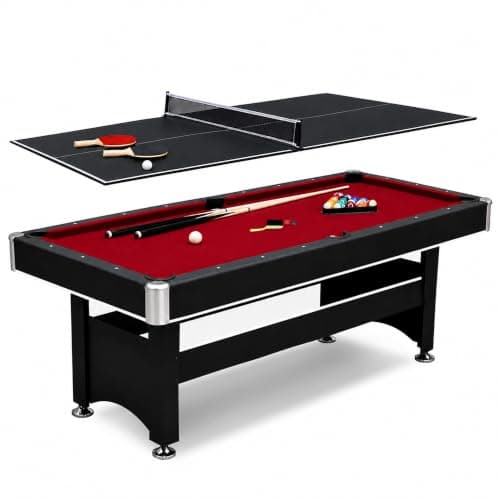
Six pool tables from 6.5 ft space-savers to 8 ft tournament size, ranked on play bed, cabinet quality and included accessories.
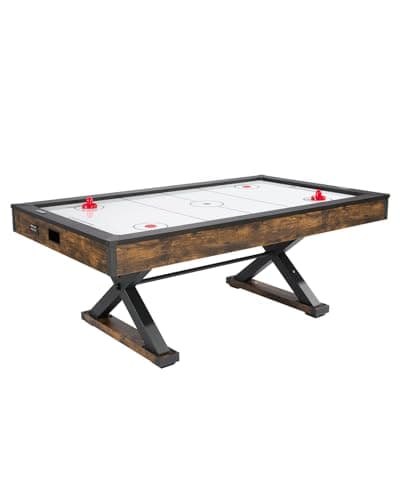
Six air hockey tables from 48-inch compacts to 84-inch full size, ranked on blower power, playfield quality and scoring.
Our top pick
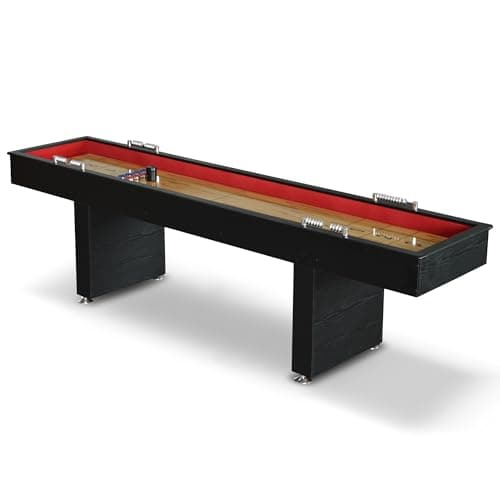
Four shuffleboard tables from 9 ft to 12 ft, ranked on playfield construction, climate adjusters and what the length buys you.
The clearance math, cost and learning curve for bumper pool against a full pool table, with a pick for each room size.
These two pages put every category together — what to buy in which order, and the layouts that fit the floor space you actually have.
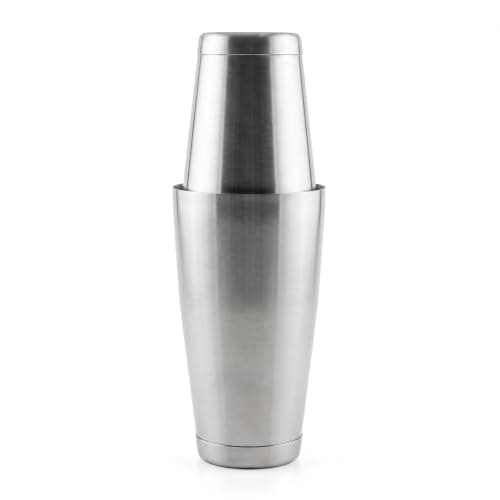
The complete home bar and game room build, ordered by how much each purchase changes the room — with live prices and a pick for each stage.
Our top pick
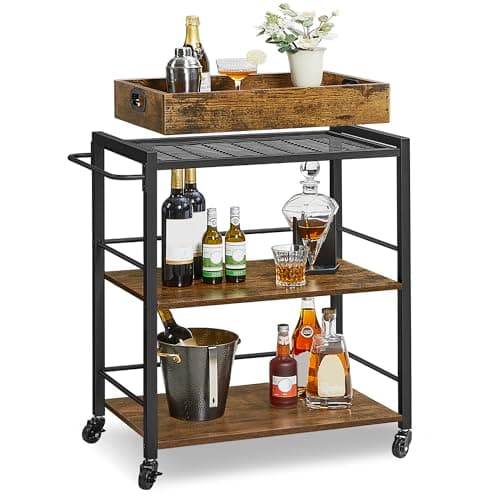
Five home bar layouts by available space — cart, wall, alcove, basement and garage — with the equipment and clearances each one needs.
Our top pick