Six bottles, five tools, four glass shapes and good ice. Everything else is decoration — here is the order that gets a bar used rather than admired.
Updated October 2026 · By Stephen V.
A home bar needs six bottles, five tools, four glass shapes and good ice — and it should be assembled in roughly that order. The common mistake is the reverse: buying the furniture, then the bottles, and finally discovering there is no jigger and no decent ice, which is why the drinks are disappointing.
This guide is the practical version of our equipment pillar. It covers what to buy, where to put it, and the two or three numbers worth measuring before you buy anything. Nothing here needs building work — a complete, genuinely good home bar fits on a cart and an adjacent wall.
The short answer
In a hurry? These are the picks we'd buy. Prices are live; tap a card below for the full reasoning.
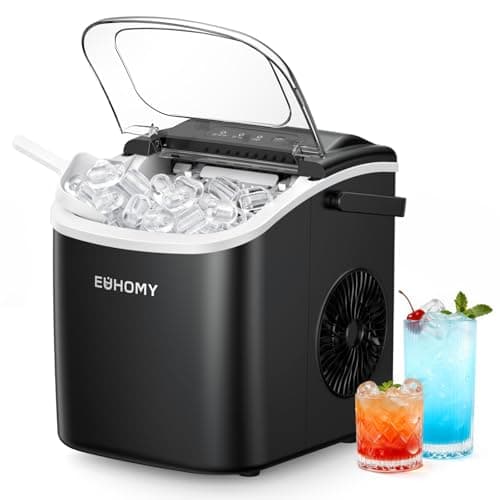
Nine cubes every six minutes, 26 lb a day, for less than a set of glasses — cloudy bullet ice, and far better than a freezer tray.
Output
26 lb / 24 h
Batch
9 cubes in ~6 minutes
Install
Countertop, no plumbing
Pros
Cheapest real ice maker
Six minutes to first batch
Carry handle makes it portable
Cons
Bullet ice is hollow and cloudy — it melts fast
Small reservoir
Not the ice for a good whisky
Best for: Replacing freezer-tray ice without spending much.
Step 1: the six bottles
A whiskey (bourbon or rye), a gin, a tequila or mezcal, a rum, a sweet vermouth and a bitter liqueur such as Campari. Add a bottle of orange bitters and one of Angostura. Those eight items make an old fashioned, a Manhattan, a negroni, a margarita, a daiquiri, a martini, a whiskey sour and most of their variations — which is to say most of the standard canon.
One important note on vermouth: it is wine, it oxidises, and it belongs in the fridge once opened. A bottle of vermouth left on a bar shelf for three months is the single most common reason a home Manhattan tastes stale, and almost nobody is told this.
Step 2: the five tools
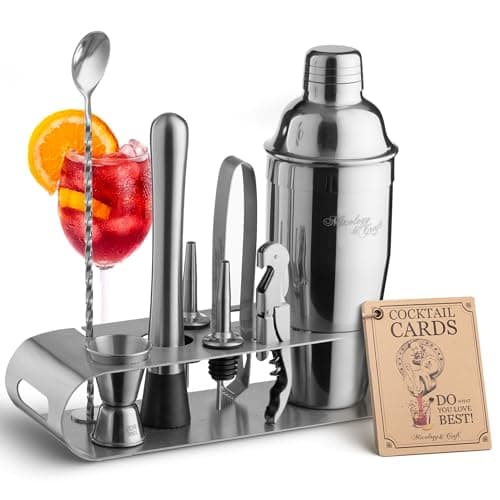
A shaker (two Boston tins, or a cobbler if you prefer self-contained), a jigger, a Hawthorne strainer, a bar spoon with a mixing glass, and a muddler if you use fresh herbs or fruit. That is the complete list. Everything beyond it is specialisation.
Be fussy about exactly one of them. A jigger with internal graduations for 1/2, 3/4 and 1 1/2 oz is what lets you hit a recipe; a plain two-sided cone forces you to guess every fractional measure, and guessing is the biggest single reason a home cocktail tastes wrong. Shaking versus stirring is the other rule worth knowing: anything with citrus, cream or egg gets shaken; anything made only of spirits gets stirred, because shaking clouds it and spoils the texture.
Step 3: four glass shapes
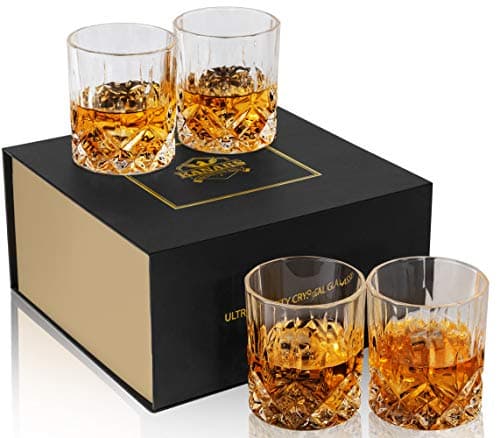
A heavy-based rocks glass for spirits and short drinks. A tall highball or Collins for anything with soda. A stemmed coupe or Nick & Nora for drinks served up without ice, where the stem keeps your hand off the bowl. And a wine glass. Buy in fours or sixes, in a pattern you can re-buy, and assume breakage — which is the argument against expensive crystal in a bar that gets used.
Step 4: ice, which is an ingredient
This is the step people skip and the one that most changes the result. Freezer-tray ice is small, wet, cloudy and tastes of whatever else is in the freezer, and it dilutes a drink before you have finished making it. Large, hard, dry ice is what lets you shake long enough to properly chill a drink without watering it down. A countertop ice maker is the cheapest purchase that improves every drink simultaneously; a directional-freezing clear ice tray is the few-dollar version for spirits.
Step 5: where to put it
Three requirements, and they are modest: a working surface you can wipe, light on the bar itself, and tools within reach rather than in a drawer. A bar cart satisfies all three in about three square feet; a wall rack beside it stores bottles and hangs glasses in space that was doing nothing. Our layout guide covers the options from a cart up to a basement build.
Keep bottles out of direct sun, which fades labels within a season and slowly degrades liqueurs. Store glasses upside down so they stay clean. And put a bar mat on the working surface: it catches drips, stops glasses sliding while you pour, and gives washed tins somewhere to drain.
What to add next
In order of how much each changes things: a beverage fridge, because cold storage is what a bar opens daily; then seating, because people stay where they can sit; then a game, because that is what makes a bar a destination rather than a stop. Darts is the cheapest real game and needs only a patch of wall.
Frequently asked questions
What bottles do I need to start a home bar?+
Six spirits plus bitters: a whiskey, a gin, a tequila or mezcal, a rum, a sweet vermouth and a bitter liqueur, with Angostura and orange bitters. That covers an old fashioned, Manhattan, negroni, margarita, daiquiri, martini and whiskey sour. Keep the vermouth in the fridge once opened — it is wine and it oxidises.
What is the minimum equipment for a home bar?+
Five tools — shaker, jigger, Hawthorne strainer, bar spoon with a mixing glass, and a muddler only if you use fresh fruit or herbs — plus four glass shapes and decent ice. That is a complete, genuinely capable bar and it costs less than a pair of bar stools.
How do I make my home cocktails taste better?+
Measure with a properly graduated jigger, and fix your ice. Those two account for most of the gap between a home drink and a bar drink: cocktails are ratios, and small wet freezer ice dilutes a drink before you have finished making it. Both are cheap to fix.
Where should a home bar go?+
Anywhere with a wipeable surface, dedicated light and room for tools within reach. A bar cart does all three in about three square feet and can move rooms; a wall rack beside it stores bottles in unused space. Keep bottles out of direct sunlight, which fades labels and degrades liqueurs.
Prices and availability shown here come from Amazon's live data and change often; we re-verify them regularly. Bar Bumper is an Amazon Associate and earns a commission on qualifying purchases at no extra cost to you. Read our full disclosure.