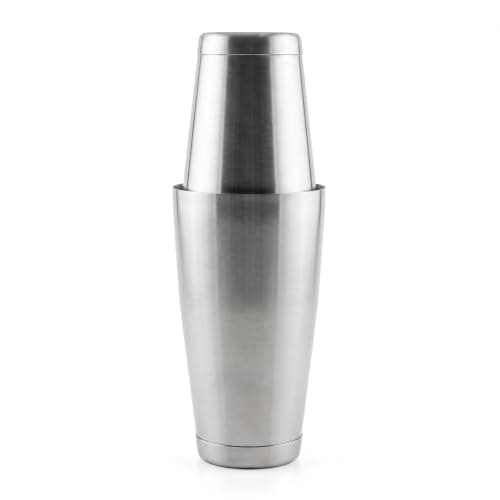
Best cocktail shaker
The best cocktail shakers
Five cocktail shakers — Boston tins, cobbler shakers and insulated hybrids — ranked on seal reliability, capacity and comfort in the hand.
Updated October 2026 · Stephen V.
Our top pick
Shakers, jiggers, strainers, smokers and the four glasses that cover every drink. The cheapest hub here, and the one where the wrong buy is most annoying every single time you use it.
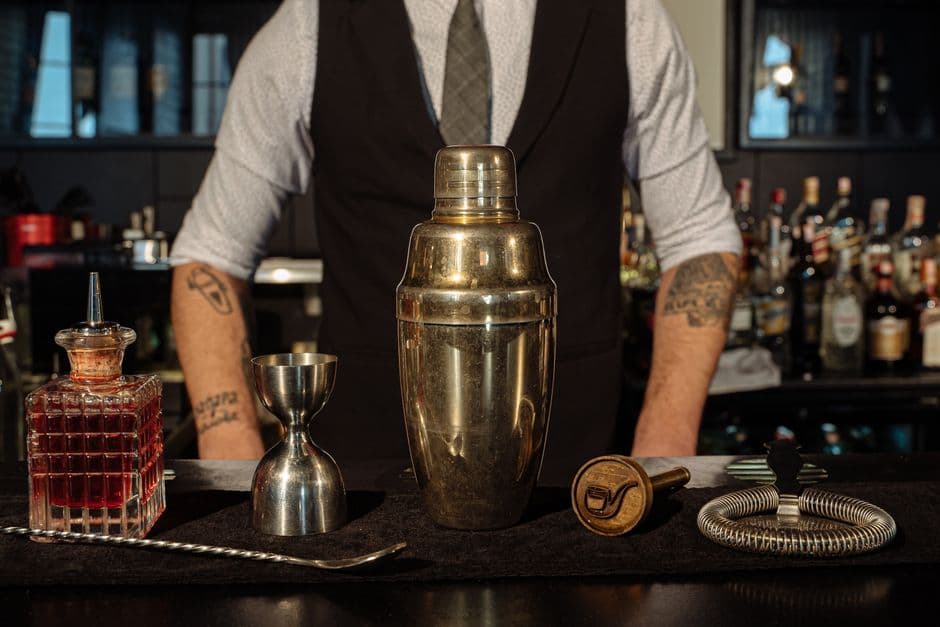
This is the hub where small amounts of money make the largest difference to how a bar feels to use. A good shaker and a good jigger together cost less than a single bar stool, and you will touch them every time you make a drink. It is also the hub most padded with things nobody needs, so the useful question is not "what is available" but "what is the shortest list that makes every standard cocktail".
Two designs dominate. A cobbler shaker is the three-piece one most people picture: tin, built-in strainer, cap. It is self-contained and beginner-friendly, and its weakness is mechanical — the cap seals by friction and cold metal contracts, so a properly chilled cobbler shaker can stick shut hard. A Boston shaker is two tins (or a tin and a mixing glass) that you seal against each other and break apart with a tap. It is what bars use: faster, larger, it never jams, and it needs a separate Hawthorne strainer. If you expect to make more than a couple of drinks at a time, buy Boston tins and a strainer and never think about it again.
That is five items. A boxed kit gets you all of them plus a stand for roughly what the shaker and jigger cost separately, which makes kits the obvious starting point — and also means you should judge a kit by its shaker and jigger, because those are the pieces that get used and the pieces kits cut corners on.
A heavy-based rocks / old fashioned glass for spirits and short drinks. A tall highball or Collins glass for anything with soda. A stemmed coupe or Nick & Nora for drinks served up without ice — the stem is functional, it keeps your hand off the bowl. And a wine glass. That is it; everything else is specialisation. If whisky is the point, a tulip-shaped nosing glass does something a tumbler genuinely cannot: it concentrates aroma, which is most of what you taste. Buy glassware in fours or sixes, buy a shape you can replace in two years, and assume breakage — which is a good argument against expensive crystal for a bar that gets actual use.
The mistake buyers make: a 20-piece kit of gadgets with a flimsy shaker, instead of five good tools. The second: forgetting ice is an ingredient. Great tools and freezer-tray ice still makes a watery, freezer-flavoured drink — see the ice makers hub, because it will improve your cocktails more than any tool on this page.
Each with live prices, our spec-scoring, and the models to skip.
Five cocktail shakers — Boston tins, cobbler shakers and insulated hybrids — ranked on seal reliability, capacity and comfort in the hand.
Our top pick
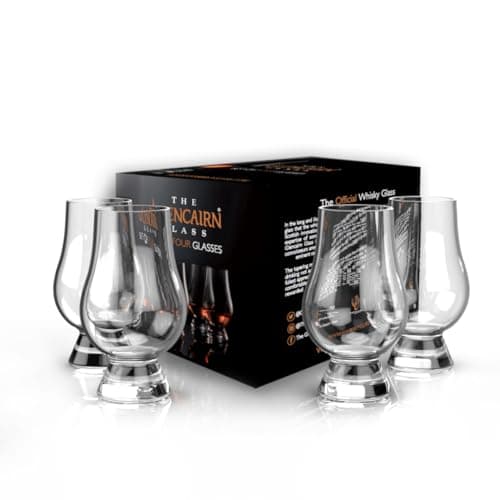
Five whiskey glasses from Glencairn nosing glasses to heavy-base rocks tumblers, matched to how you actually drink whisky.
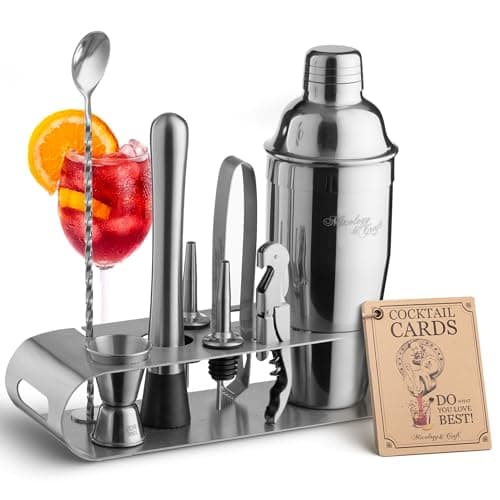
Four bartender kits ranked on the quality of the shaker and jigger rather than the piece count, plus the five tools you actually need.
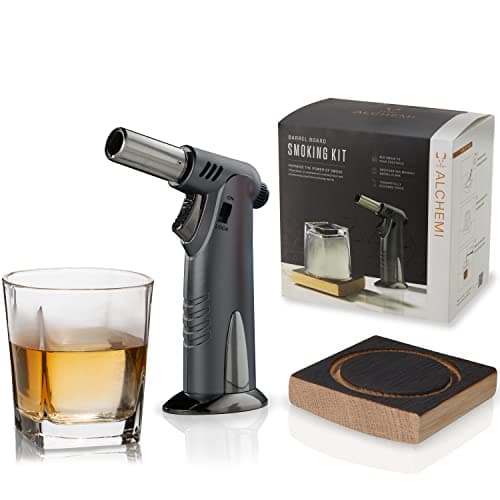
Four cocktail smoker kits from a $10 smoker top to a glass smoking box, ranked on build, included torch and cleanability.
These two pages put every category together — what to buy in which order, and the layouts that fit the floor space you actually have.
The complete home bar and game room build, ordered by how much each purchase changes the room — with live prices and a pick for each stage.
Our top pick
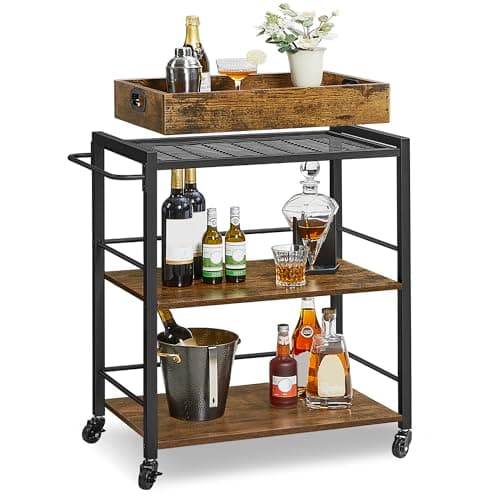
Five home bar layouts by available space — cart, wall, alcove, basement and garage — with the equipment and clearances each one needs.
Our top pick