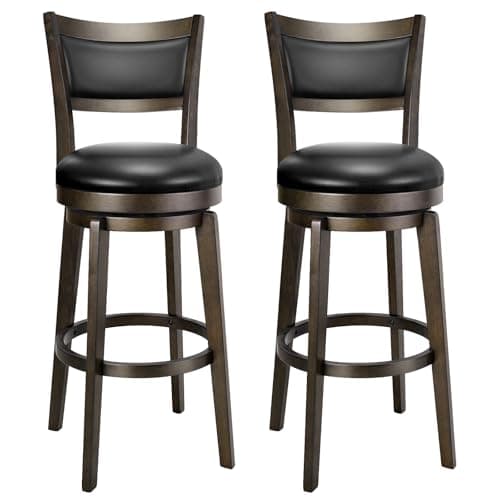
Measure to the underside of the counter and subtract 10 to 12 inches. Get that wrong and nothing else about the stool matters.
Updated October 2026 · By Stephen V.
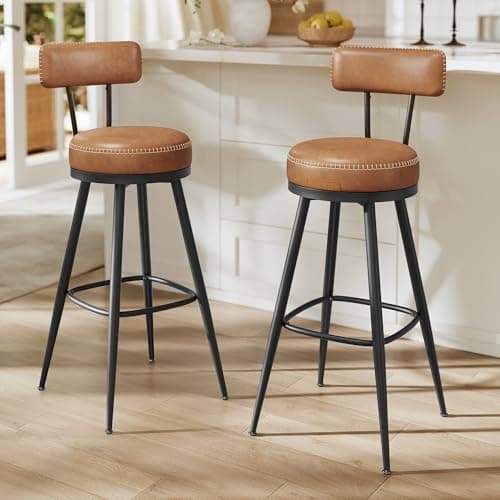
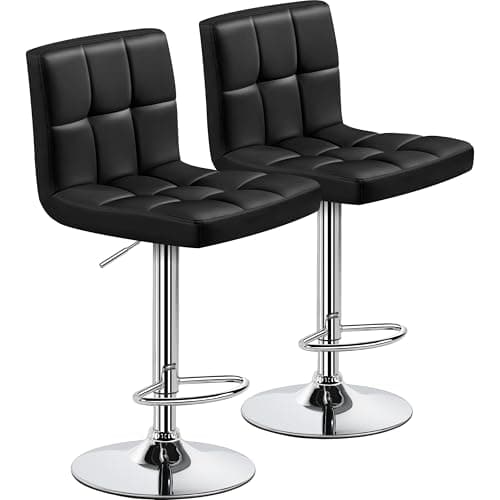
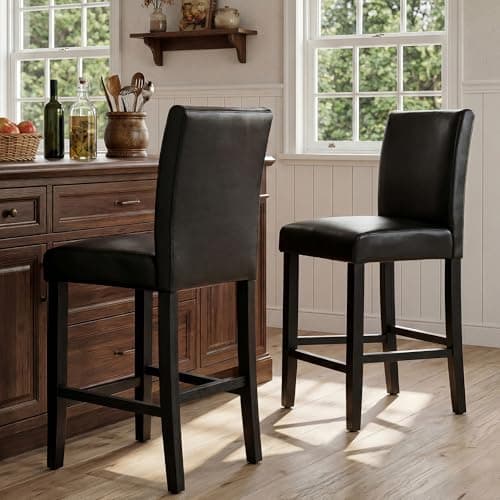
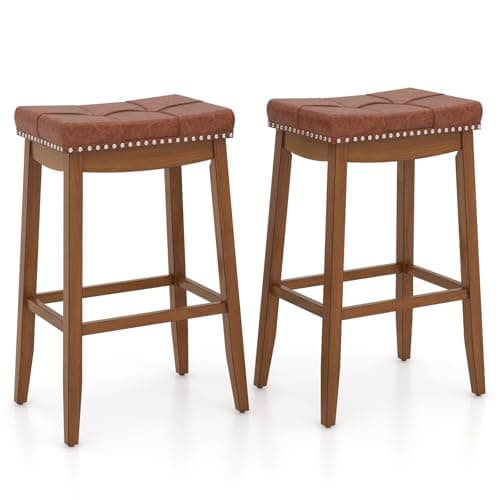
The VASAGLE 30-inch swivel stools are the bar stools to buy for a bar-height top, and the Yaheetech adjustable pair are the safest buy if you are not certain of your height. The VASAGLE has the three features that decide whether people linger — a 30-inch seat for a 40 to 42-inch bar, a full swivel and a back — while the Yaheetech's gas lift covers a range, which matters if the bar is not built yet. The GOTMINSI 24-inch pair is the counter-height pick, the GIANTEX saddle stools are the value option, and the PrimeZone pair is the upholstered upgrade.
Bar stools are the most-returned product in this whole niche, and almost always for one avoidable reason: height. There is a formula, it takes thirty seconds, and it is worth doing before you look at a single photograph. Measure from the floor to the underside of your counter or bar top, then subtract 10 to 12 inches. That is your seat height. Ten inches is snug, twelve is roomy, under nine and your knees hit the apron.
Counter height — a 34 to 36-inch counter (a standard kitchen island) takes a 24 to 26-inch seat.
Bar height — a 40 to 42-inch bar (a raised bar top or a pub bar) takes a 29 to 31-inch seat.
Extra-tall / spectator — a 44 to 47-inch top takes a 33 to 36-inch seat. Rare, and the reason some stools look absurdly tall online.
We have not sat on these stools. The ranking draws on published seat heights and ranges, swivel and footrest provision, weight ratings, materials and assembly notes, plus owner-review consensus reported as other people's experience — see how we pick. Prices come live from Amazon with the date we verified them.
The short answer
In a hurry? These are the picks we'd buy. Prices are live; tap a card below for the full reasoning.
$209.9919% offPrice as of October 7, 2026·#addisclosure
PrimeZone 30-in Swivel Bar Stools (set of 2)
A pair of 30-inch swivel stools with proper backs and padding — the most comfortable option here, and priced accordingly.
Seat height
30 in (bar height)
Swivel
Yes
Back
Yes
Quantity
Set of 2
Pros
The most comfortable stools in this roundup
Swivel and back, which is the combination that matters
Substantial frame
Cons
Most expensive pair here
Bulky — they do not tuck away
Bar height only
Best for: A bar you want people to stay at all evening.
Skip this
The budget traps that look cheap and cost you twice. We'd skip these.
Any stool bought before you measured the counter
Height is the reason most bar stools get returned. Measure to the underside of the top and subtract 10 to 12 inches. A beautiful stool at the wrong height is unusable, and no amount of cushion fixes it.
Tall stools with no footrest
On any stool over about 26 inches, feet that cannot reach the floor need somewhere to rest, or the stool becomes uncomfortable within twenty minutes. A ring or bar footrest is the difference between a stool people sit on and a stool people stand beside.
Plastic-glide stools on a hardwood floor
Stools get dragged, every time. Hard plastic glides scratch wood and vinyl. Felt pads cost almost nothing and should go on before the stools go to the counter, not after you notice the marks.
How to choose (and what to skip)
The height formula, and nothing else first
Floor to the underside of the counter, minus 10 to 12 inches, equals your seat height. A 34 to 36-inch counter takes a 24 to 26-inch seat; a 40 to 42-inch bar takes a 29 to 31-inch seat. Measure the underside, not the surface — a thick butcher-block top can take two inches out of your legroom and is the most common source of error.
Count how many actually fit
Allow 26 to 30 inches of counter width per stool, measured along the bar edge. That is elbow room, not seat width. A 72-inch bar therefore seats three people comfortably rather than four. Over-seating a bar is the second most common furniture mistake here, and it makes a bar less pleasant rather than more sociable.
Swivel, back and footrest decide comfort
Swivel matters at a bar where people turn to talk, and it makes a narrow bar feel twice as sociable. A back is what lets someone sit for an hour; backless stools tuck away and look cleaner but nobody lingers on them. A footrest is functional on anything tall. Pick two of the three for a bar people use, or all three if the stool is the main seating.
Adjustable or fixed
Gas-lift adjustable stools cover a range and are the right choice if the bar is not built yet, if the counter is a non-standard height, or if the same stools need to work at two different surfaces. Fixed-height stools are more rigid, usually cheaper at the same quality level, and have one fewer component to fail — gas lifts are the part that sags after years.
Read the weight rating and the leg material
Published weight ratings are a reasonable proxy for frame quality as well as a real limit worth checking. Solid wood legs are quieter on a hard floor and read as furniture; tube steel is stronger per pound and cheaper. Either is fine — what matters is that the listing states a rating at all.
Why height is the whole problem
Three standard tiers exist, and online listings mix them freely because "bar stool" covers all of them. A 24-inch stool at a 42-inch bar leaves you at chest height to the counter; a 30-inch stool at a 36-inch island leaves your knees against the underside. Neither is salvageable, and both are extremely common.
The subtlety is measuring to the underside of the top rather than the surface. A 36-inch counter with a 2-inch butcher-block top gives you 34 inches of clearance, which means a 24-inch seat rather than a 26-inch one. If your counter has an apron or a support rail underneath, measure to that instead — it is the lowest thing your knees will meet. Our height guide has the full table, including non-standard tops.
What a stool costs you in floor space
A stool pulled out from a bar occupies roughly 2 feet of depth, and someone sitting on it occupies closer to 3. In a narrow room that is the difference between a walkway and a squeeze. Backless stools that tuck fully under the bar are genuinely valuable here — they disappear when nobody is sitting on them, which is most of the time.
This is the same arithmetic that governs everything in a home bar: the game table you can walk around, the cart that does not block a doorway. If the room is tight, two backless stools beat three with backs.
Materials, and what actually wears
Faux leather and vinyl wipe clean and are the practical choice at a bar where drinks get spilled; they crack eventually at the stress points. Woven fabric is more comfortable and absorbs everything. Solid wood seats last indefinitely and are the least comfortable. Metal frames outlast wooden ones but transmit noise on a hard floor.
The parts that actually fail, in order: the gas lift on adjustable stools, the swivel bearing, and the fixings where the seat meets the frame. Re-tightening every fixing once after a few months of use genuinely extends a stool's life — flat-pack furniture settles, and a stool that has gone slightly loose wears its joints much faster.
Frequently asked questions
What height bar stool do I need?+
Measure from the floor to the underside of your counter and subtract 10 to 12 inches. A 34 to 36-inch kitchen counter takes a 24 to 26-inch seat; a 40 to 42-inch bar takes a 29 to 31-inch seat. Measure to the underside rather than the surface — a thick top can cost you two inches of legroom.
How many bar stools fit at my bar?+
Allow 26 to 30 inches of bar width per stool, measured along the counter edge — that is elbow room rather than seat width. A 72-inch bar seats three comfortably, not four. Over-seating a bar makes it less pleasant to sit at, not more sociable.
Are swivel bar stools worth it?+
At a bar where people turn to talk to each other, yes — a swivel seat makes a narrow bar feel considerably more sociable and saves people shuffling the stool. The swivel bearing is one more component that can wear, but it is the single feature that most improves how a bar stool feels in use.
Should bar stools have backs?+
If people will sit for more than twenty minutes, yes. Backless stools look cleaner and tuck fully under the counter, which matters in a narrow room, but nobody lingers on one. In a tight space, two stools with backs beat three without; in a walkway, the reverse.
What is the difference between counter height and bar height stools?+
Counter height stools have seats around 24 to 26 inches, for a standard 34 to 36-inch kitchen counter. Bar height stools have seats around 29 to 31 inches, for a raised 40 to 42-inch bar top. Listings use 'bar stool' for both, which is why checking the stated seat height matters more than the product name.
Prices and availability shown here come from Amazon's live data and change often; we re-verify them regularly. Bar Bumper is an Amazon Associate and earns a commission on qualifying purchases at no extra cost to you. Read our full disclosure.