Every good game room is one decision: which table fits. Get the clearance arithmetic right and the rest of the room arranges itself around it.
Updated October 2026 · By Stephen V.
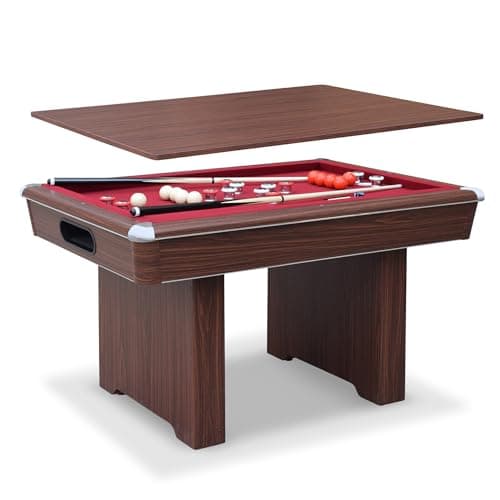
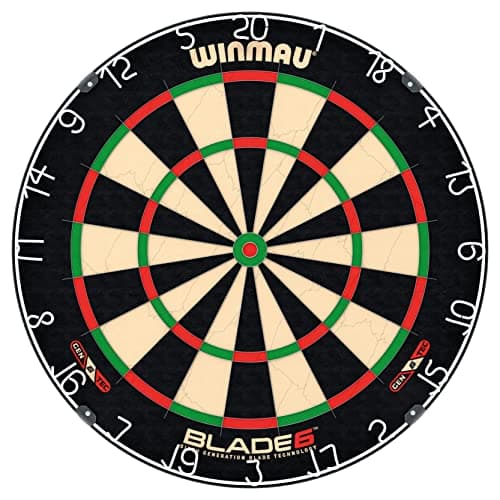
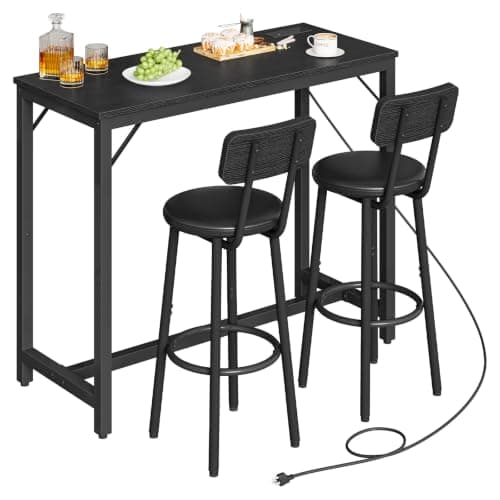
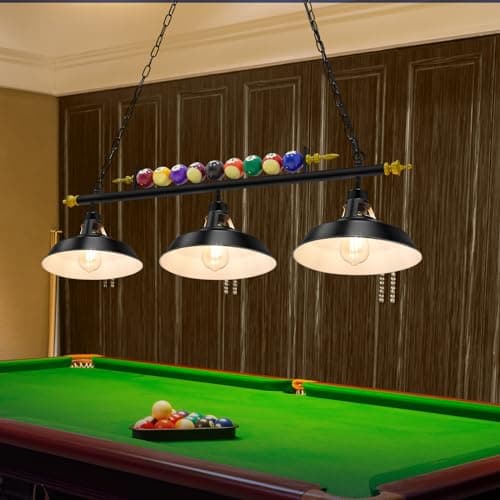
The best game room idea is the one your floor plan allows, and in most houses that is a bumper pool table rather than a pool table. The Hathaway Renegade II is the pick for a normal room because it needs roughly 11 by 9 feet and converts to poker and dining when nobody is playing. A dartboard is the cheapest game room there is and fits any wall. A pub table and stools is the furniture that turns the room from a space with a game in it into a room people sit in. And a proper light over the table is the single cheapest thing that makes a game room feel finished.
Almost every disappointing game room went wrong in the same way: the table was chosen first and the room was measured afterwards. So before any of the ideas below, do this once. Measure the clear floor — wall to wall, minus anything that cannot move — and write the two numbers down. Then match them against the clearance each game needs, because a table you cannot draw a cue back on is not a game, it is an obstruction.
Dartboard — about 3 feet of wall and 9 feet of depth from the board to behind the throw line. Fits almost anywhere, including a hallway.
Bumper pool, 48 to 54 in — roughly 11 by 9 feet with 48-inch cues. Fits a spare bedroom.
Multi-game or combo table, 48 to 60 in — roughly 11 by 9 feet, and it is three or four games rather than one.
Air hockey, 7 ft — roughly 12 by 8 feet. No cue clearance needed, only room to stand at both ends.
Shuffleboard, 9 to 12 ft — long and narrow, around 16 by 4 feet. Fits along a wall where nothing else will.
Pool, 7 ft — roughly 17 by 13 feet with 57-inch cues. This is the one that does not fit most rooms.
Those figures are the whole plan. Pick the largest game your numbers clear, put it where it has room on all four sides, and then arrange seating, storage and light around it. The picks below are the pieces that do the most work in a normal room, and the sections underneath cover layout, lighting, seating and what to buy in what order.
The short answer
In a hurry? These are the picks we'd buy. Prices are live; tap a card below for the full reasoning.
Hathaway Renegade II 54-in Bumper Pool Table (3-in-1)
A 54-inch bumper pool table that converts to poker and dining — the game that fits the rooms most people actually have, earning its floor space three ways.
A spare room, finished basement or wide garage bay under about 17 by 13 feet
Hathaway Renegade II 54-in Bumper Pool Table (3-in-1)
A 54-inch bumper pool table that converts to poker and dining — the game that fits the rooms most people actually have, earning its floor space three ways.
Size
54 in
Room needed
About 11 x 9 ft
Games
Bumper pool, poker, dining
Cues
48 in, included
Pros
Needs roughly half the floor a 7-foot pool table needs
Converts to poker and dining, so the table is useful when nobody is playing
Anyone can play a real game within five minutes, which is what gets a game room used
Cues, balls and chalk in the box
Cons
A shallower game than pool over years
150 to 250 lb of flat-pack to assemble
Reversible tops are never quite as good as a dedicated surface
Best for: A spare room, finished basement or wide garage bay under about 17 by 13 feet.
$119.9911% offPrice as of October 7, 2026·#addisclosure
Rossesay Adjustable 3-Light Pool Table Light (7-8 ft Tables)
An adjustable three-shade pool table light for a 7 to 8-foot table — the cheapest change that makes a game room read as one.
Shades
3
Suits
7-8 ft tables
Mount
Ceiling, adjustable
Pros
Directional light over the table removes the shadows a ceiling fixture casts across it
Three shades along the length is what gives even light on a long table
Adjustable drop, so it works with an 8-foot or a 9-foot ceiling
Costs a fraction of anything else in the room and changes it more
Cons
Needs a ceiling fixing over the table, which means the table position is then fixed
Too long for a 54-inch bumper pool table — a single pendant suits that better
Hanging height has to clear a raised cue
Best for: Making an assembled table look like a game room rather than a table in a room.
Skip this
The budget traps that look cheap and cost you twice. We'd skip these.
A 7-foot pool table in a room under 17 by 13 feet
This is the mistake that defines bad game rooms. A foot short on one side means every shot from that rail is taken with a short cue from a kneeling position, for the life of the table. Measure first, then buy the largest game that clears. A bumper pool or combo table in a room it fits beats a pool table in a room it does not, every time.
A games room with nowhere to sit
People play for twenty minutes and talk for two hours. A room with a table and no seating empties as soon as the game ends. Two stools and a pub table, or a bench along one wall, change how long people stay more than any upgrade to the table itself.
Lighting the table from a single ceiling fixture
One central light casts the player's own shadow across the surface from most positions, and on a dartboard it shadows the trebles. A directional light over the table, or a board light on a dartboard, fixes it for very little money and is the difference between a room that photographs well and one that plays well.
How to choose (and what to skip)
Start with the two floor numbers
Clear floor, wall to wall, minus anything immovable. Write both numbers down and compare them against the clearance list above. The honest version of this measurement is the one taken with the furniture that is staying still in place, because a game table does not get to assume you will move the sofa.
Pick the shape of game your room is
Square-ish rooms suit bumper pool, a combo table or air hockey. Long narrow rooms suit shuffleboard, which needs length and almost no width and will fit along a wall where nothing else goes. Rooms with no spare floor at all suit darts. Only genuinely large rooms suit a full pool table, and knowing that early saves a great deal of disappointment.
Then buy seating, before any accessory
A pub table and two stools, a bench, or a couple of armchairs. This is the purchase that decides how long people stay in the room, and it is almost always deferred in favour of something for the table. Put it ahead of cue racks, scoreboards and signs.
Light the playing surface, not the room
A directional light over the table or a ring light on a dartboard. Overhead room lighting puts the player's shadow where they are aiming. This costs less than almost anything else in a game room and changes the feel of the room more than anything except the table.
Add storage and decor last
A wall cue rack keeps cues straight and off the floor, which also keeps them from warping. A few signs or framed prints and a shelf for the balls and chalk finish the room. None of it matters until the table fits, the seating exists and the light is right — see our <a href="/guides/game-room-decor">game room decor</a> picks for the parts worth buying.
Game room ideas for a small room
A spare bedroom is about 11 by 10 feet, which rules out a pool table and rules in almost everything else. The best use of that room is a bumper pool table or a multi-game table in the middle, a dartboard on the one wall with depth behind it, and two stools. That is three games in a room most people write off.
If the room is narrower than about 9 feet, stop trying to put a table in the middle of it and use the length instead. A 9-foot shuffleboard table is 20 inches wide. Along a wall, with a stool at each end, it turns a corridor of a room into the best game room in the house — and it is the only table here that plays well with a drink in your hand.
Best game room setups, by room size
Under 11 by 9 ft: dartboard plus a pub table and two stools. A complete game room for the price of one piece of furniture. 11 by 9 to 14 by 11 ft: bumper pool or a combo table in the middle, dartboard on a wall, two stools, directional light. This is the sweet spot and the setup most houses should build. 12 by 8 ft and awkward: air hockey, which needs no cue clearance, only standing room at the two ends.
17 by 13 ft and over: now a pool table is on the table, and it is the right centrepiece if the room can genuinely carry it. Put the dartboard on the short wall, the seating along the long one, and the bar cabinet in a corner. Anything larger and the question becomes two games rather than one bigger one.
The bar is half of a game room
The thing that separates a game room people use from a room with a table in it is usually not the table. It is whether there is a drink and somewhere to put it. A bar cart or a bar cabinet against one wall, a beverage fridge under it, and two stools is most of the way to a room people stay in.
That is also the cheapest half. Our home bar accessories and essentials page puts the whole build in the order worth buying it, and the first two stages together cost less than a cue rack and a light. If the game room budget is spent and the room still feels unfinished, this is almost always what is missing. Home bar ideas covers the layouts.
Floor, walls and noise
Three practical things decide whether a game room is pleasant rather than just equipped. Floor: a hard floor under a game table is right — carpet makes levelling a table harder and traps chalk. Walls: if there is a dartboard, protect the wall before the first throw, because missed darts spread much wider than beginners expect and drywall collects pinholes within a month. Our dartboard height and distance guide covers the fixings.
Noise: a game room above a bedroom is a real consideration. Air hockey is the loudest table by a wide margin — a continuous blower plus pucks hitting rails. Shuffleboard is the quietest. Bumper pool and pool sit in between, and a rug under the seating end helps more than anything you can do to the table.
Frequently asked questions
What size room do you need for a game room?+
It depends entirely on the game. A dartboard needs about 3 feet of wall and 9 feet of depth. A 54-inch bumper pool or combo table needs about 11 by 9 feet. A 7-foot air hockey table needs about 12 by 8. A 7-foot pool table needs about 17 by 13 feet, which is why it does not fit most rooms.
What is the best game room idea for a small room?+
A bumper pool or multi-game table in the middle, a dartboard on the one wall with depth behind it, and two stools. That is three games in roughly 11 by 9 feet. If the room is narrower than 9 feet, use the length instead: a shuffleboard table is only about 20 inches wide and fits along a wall.
What should a game room have besides a table?+
Seating, a directional light over the playing surface, and something to drink. People play for twenty minutes and talk for two hours, so a room with a table and nowhere to sit empties as soon as the game ends. Seating and light together cost a fraction of the table and change the room more.
What is the best game room setup on a budget?+
A sisal bristle dartboard with a wall protector, a board light, and a pub table with two stools. That is a complete game room with a real game in it for less than the cheapest game table, it fits any room with 9 feet of depth, and it leaves budget for a bar cart.
Should a game room have carpet or hard floor?+
Hard floor. Carpet makes levelling a game table harder, traps chalk and dust, and shows wear in the paths round a table. A rug at the seating end is the sensible compromise: it softens the room and the noise without sitting under the table legs.
Prices and availability shown here come from Amazon's live data and change often; we re-verify them regularly. Bar Bumper is an Amazon Associate and earns a commission on qualifying purchases at no extra cost to you. Read our full disclosure.