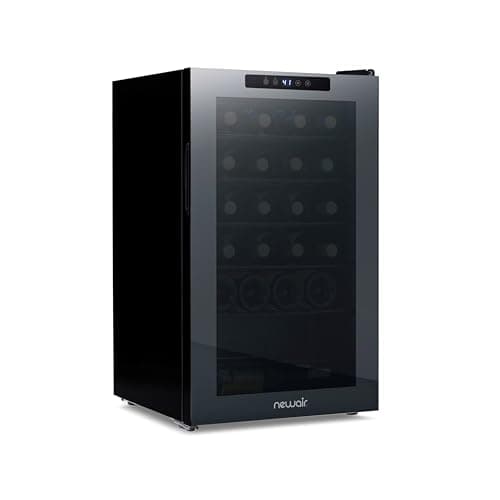
Best wine fridge
The best wine fridges
Five wine fridges from 12-bottle thermoelectric to 52-bottle dual zone, ranked on cooling type, zone control and installation flexibility.
Updated October 2026 · Stephen V.
Cold storage is what separates a bar cart from a bar. Compressor versus thermoelectric, why built-in and freestanding are not interchangeable, and what each one actually holds.
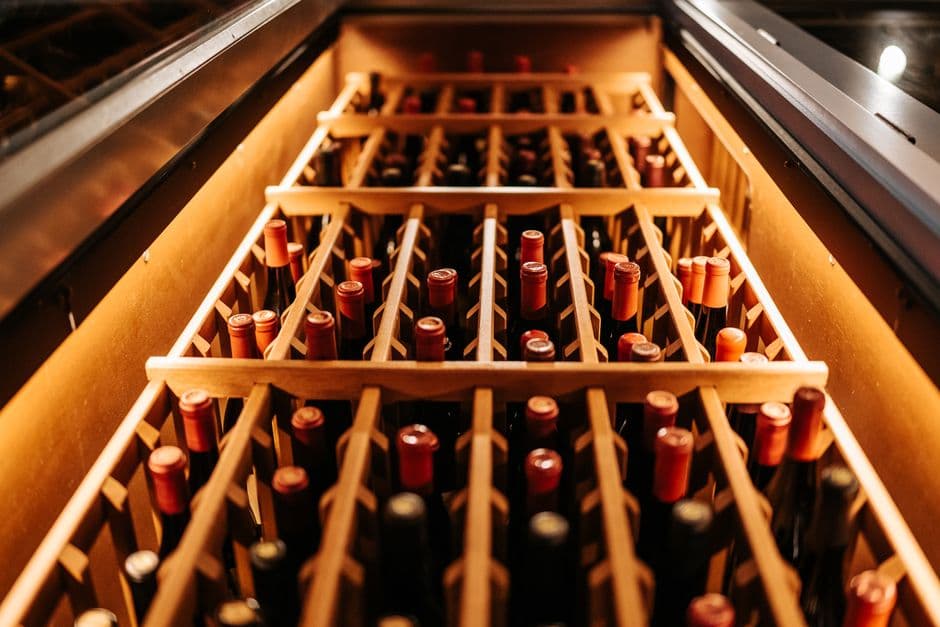
A home bar without dedicated cold storage is a cupboard with bottles in it. The moment you add a fridge, two things change: the drinks are at the right temperature without planning, and the kitchen fridge stops being full of other people's beer. This is the most expensive hub on the site, and the one where a wrong purchase is hardest to undo, so it is worth understanding three distinctions before you shop.
Thermoelectric coolers use a solid-state Peltier plate: no moving compressor, near-silent, no vibration (which matters for wine), and very little capacity. They can typically only pull the interior about 20°F below the room, which means a thermoelectric unit in a 85°F garage simply cannot reach its set point. Compressor units work like any refrigerator: far more cooling power, works in a warm room, holds a true set temperature, at the cost of a faint hum and some vibration. Small, quiet, bedroom-adjacent, 12 to 18 bottles: thermoelectric. Anything in a garage, anything over about 24 bottles, anything that must hit 38°F: compressor.
A freestanding unit vents out of the back and needs several inches of air behind and above it. Push it into a cabinet cutout and it will run constantly, fail to hold temperature, and die early. A built-in (or "front-venting") unit exhausts through the toe grille at the front and is designed to sit flush in a 15 or 24-inch opening with zero clearance. Units labelled "built-in or freestanding" do both. If your plan involves a cabinet opening, that label is the first thing to check and the most common reason a perfectly good fridge disappoints.
The mistake buyers make: trusting the capacity number. A "126 can" fridge holds 126 standard 12 oz cans stacked in an ideal pattern with nothing else inside. Put tall seltzer cans, a few bottles and a carton of juice in it and the real figure is closer to 70. Bottle counts for wine fridges assume standard Bordeaux bottles; Burgundy and champagne bottles are fatter and can cut the real count by a quarter or more. Buy a size up from what the arithmetic says you need.
Each with live prices, our spec-scoring, and the models to skip.
Five wine fridges from 12-bottle thermoelectric to 52-bottle dual zone, ranked on cooling type, zone control and installation flexibility.
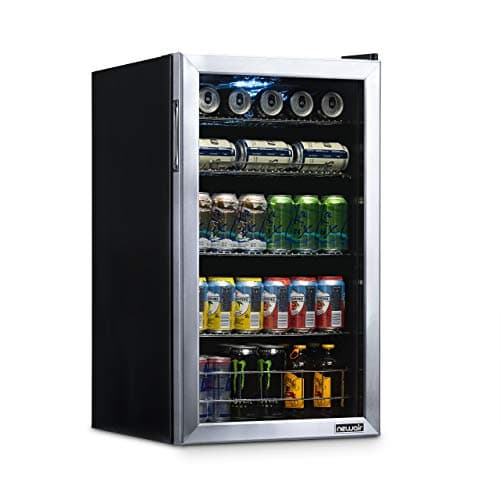
Five beverage refrigerators from a 68-can compact to a 135-can built-in, ranked on real capacity, venting type and temperature range.
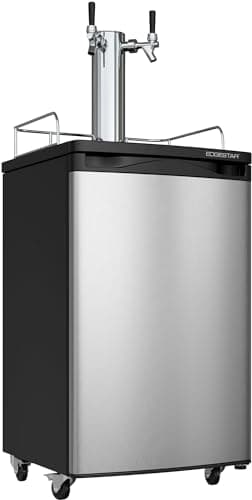
Four kegerators and conversion refrigerators compared on keg capacity, tap count, included CO2 hardware and what maintenance they demand.
The temperature, shelving and capacity differences between a wine fridge and a beverage fridge, and when a dual-zone unit beats both.
These two pages put every category together — what to buy in which order, and the layouts that fit the floor space you actually have.
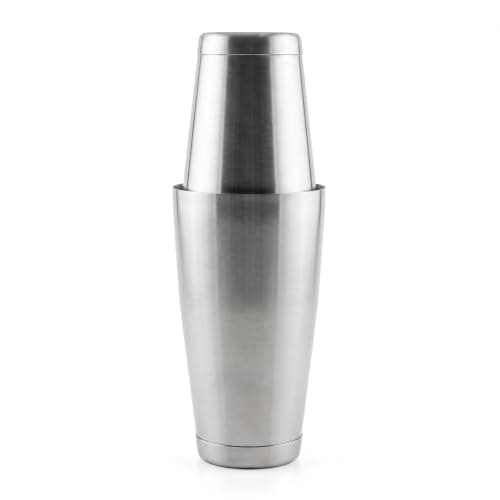
The complete home bar and game room build, ordered by how much each purchase changes the room — with live prices and a pick for each stage.
Our top pick
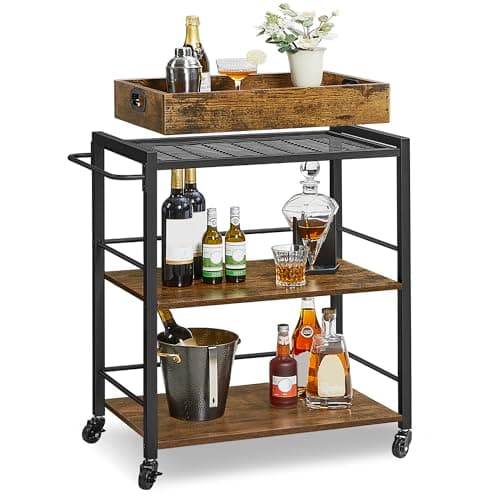
Five home bar layouts by available space — cart, wall, alcove, basement and garage — with the equipment and clearances each one needs.
Our top pick