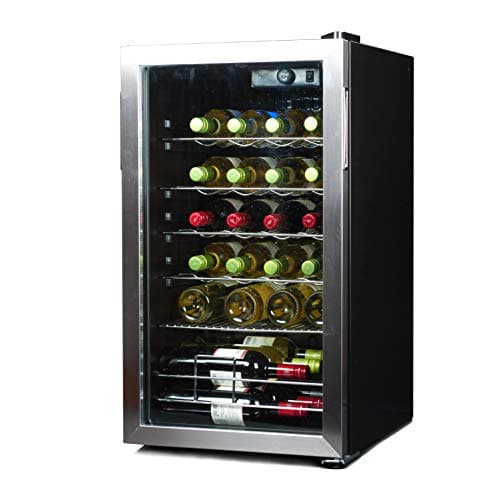
Thermoelectric cooling is silent and vibration-free, and it cannot fight a warm room. The three units here that publish thermoelectric cooling, plus the two compressor models to buy instead if yours does.
Updated November 2026 · By Stephen V.
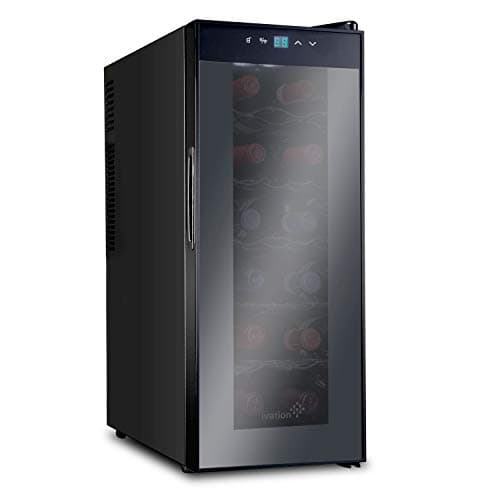
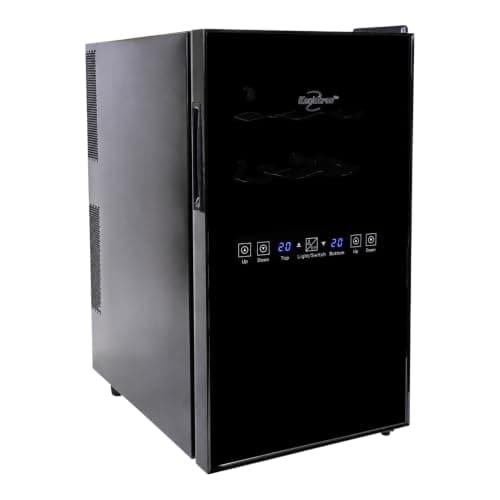
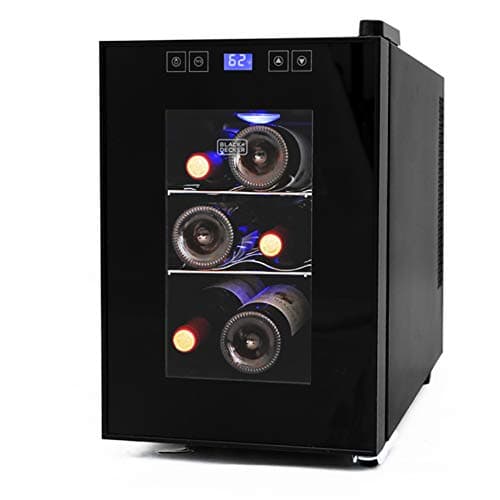
Buy the Ivation 12-Bottle Thermoelectric Wine Cooler. It is the best-sized thermoelectric unit here for the job thermoelectric cooling is actually good at - sitting silently in a living room or on a sideboard holding a dozen bottles at serving temperature. For two zones so reds and whites can sit side by side, the Koolatron 18-bottle dual-zone is the pick. The budget pick is the BLACK+DECKER 6-bottle thermoelectric cellar, the cheapest unit here with published thermoelectric cooling.
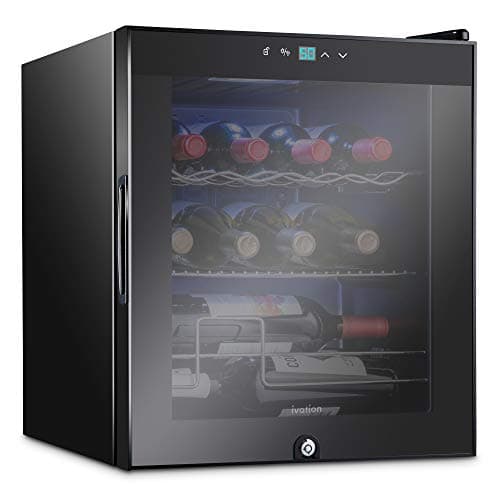
Two of the five picks on this page are compressor units, and they are here on purpose. Thermoelectric cooling has one hard physical limit - it can only pull the cabinet a certain number of degrees below the room it sits in - and if your room breaks that limit, the right answer is not a better thermoelectric cooler, it is a compressor one. The Ivation 12-bottle compressor and the BLACK+DECKER 26-bottle compressor are labelled as the buy-instead picks rather than ranked as thermoelectric ones.
We only call a unit thermoelectric where its listing publishes it. Several coolers in this price band almost certainly use thermoelectric modules and do not say so, and we will not infer a cooling system from a brand or a shape. Three listings publish it; those are the three ranked as thermoelectric here. For the mechanism itself rather than the products, our compressor versus thermoelectric guide is the explainer.
How we judged these
Published cooling type. The gate for the three top picks. A thermoelectric cooler uses the Peltier effect - a current through a junction of two conductors moves heat from one side to the other - which means no compressor, no refrigerant and no moving parts except a small fan. No listing claim, no ranking as thermoelectric.
Capacity, and how honest it is. Bottle counts assume standard 750 ml Bordeaux bottles laid flat. Burgundy and champagne bottles are fatter and shorter, so a published 12-bottle rack holds eight or nine of them. Every capacity here is the published figure, and we say where the shelf layout will not take wide bottles.
Zones. Reds want roughly 55 to 65 degrees Fahrenheit and whites roughly 45 to 50, which a single zone cannot do simultaneously. A dual-zone unit is two cabinets in one box. On a thermoelectric cooler, dual-zone also means two modules, which is harder work for a system with limited pull-down.
Ambient limit. The thing that decides whether thermoelectric works for you at all. A thermoelectric unit is usually rated to hold a temperature a fixed number of degrees below the room, so a 75-degree room and a 50-degree target is often outside the system's reach. We flag this on every thermoelectric pick, because it is the single most common reason one gets returned.
We have not run temperature-stability logging on these cabinets, and no listing supports a claim that one holds a set point more tightly than another. The ranking is built from published cooling types, published capacities and zone counts, shelf layout, published or stated ambient guidance, noise and vibration characteristics inherent to the cooling type, and owner-review consensus reported as other people's experience — see how we pick. Prices come live from Amazon with the date we verified them.
What thermoelectric cooling actually is
A thermoelectric cooler uses a Peltier module: pass a direct current through a junction of two different conductors and heat moves across the junction, making one face cold and the other hot. Bolt the cold face to the inside of a cabinet, put a heatsink and a small fan on the hot face, and you have a fridge with no compressor, no refrigerant circuit and no moving parts other than the fan.
That buys three real things. It is quiet - a fan hum rather than a compressor cycling on and off. It is vibration-free, which matters because vibration is genuinely bad for wine held over years: it keeps sediment in suspension and is widely held to accelerate ageing reactions. And it is simple, with far fewer parts to fail.
It costs you two things, and both are physics rather than build quality. Limited pull-down: the module can only move so much heat, so the cabinet sits a limited number of degrees below ambient. Put one in a 78-degree room and ask for 45 degrees and it will run constantly and never get there. Limited capacity: thermoelectric units are small, because scaling the module count up gets inefficient fast. That is why no thermoelectric cooler on this page holds more than eighteen bottles while compressor units in the same price band hold thirty.
The short answer
In a hurry? These are the picks we'd buy. Prices are live; tap a card below for the full reasoning.
A published thermoelectric 12-bottle cooler at the size the technology suits best - silent, vibration-free, and small enough that the pull-down limit is not working against it.
A dozen bottles held silently in a room people sit in
$214.9913% offPrice as of November 22, 2026·#addisclosure
Ivation 12-Bottle Thermoelectric Wine Cooler
A published thermoelectric 12-bottle cooler at the size the technology suits best - silent, vibration-free, and small enough that the pull-down limit is not working against it.
Cooling
Thermoelectric (published)
Capacity
12 bottles (published)
Zones
Single
Placement
Freestanding / countertop
Pros
Published thermoelectric cooling, so you are buying the silence and the absence of vibration deliberately rather than hoping for it
Twelve bottles is the size thermoelectric does well - a smaller cabinet is less work for a module with a fixed heat budget
No compressor means nothing cycles on at two in the morning, which is the entire argument for putting one in a living room or a bedroom
Ivation sells both a thermoelectric and a compressor 12-bottle unit, so you can switch to the compressor version without changing footprint if your room turns out to be too warm
Cons
Pull-down is limited by room temperature - in a room that sits in the high seventies it will struggle to reach white-wine serving temperature at all
Single zone, so reds and whites cannot both sit at their own temperature
The twelve-bottle figure assumes standard Bordeaux bottles; fat Burgundy or champagne bottles will cut it to eight or nine
The internal fan is audible in a silent room, which surprises people who read thermoelectric as completely silent
Best for: A dozen bottles held silently in a room people sit in.
A 26-bottle compressor cooler - more capacity than any thermoelectric unit here, at a price between the two dual-zone picks.
Cooling
Compressor (published)
Capacity
26 bottles (published)
Zones
Single
Placement
Freestanding
Pros
Twenty-six bottles is roughly half again the largest thermoelectric capacity on this page, for less money than the dual-zone thermoelectric unit
Compressor cooling holds its set point regardless of a warm room, which is what makes this the honest pick for a garage or a sunroom
Freestanding full-height format means the bottles are at a sensible height rather than on a counter
A straightforward single-zone cabinet with few features to go wrong
Cons
Audible compressor cycling, so it belongs in a basement or a utility space rather than a living room
Vibration, which matters if bottles are being held for years rather than weeks
Single zone, so no separate red and white temperatures
Larger footprint than any thermoelectric unit here - this is furniture, not an appliance you move
Best for: Anyone who wants more than eighteen bottles at this price.
Skip this
The budget traps that look cheap and cost you twice. We'd skip these.
A thermoelectric cooler in a garage, a sunroom or an attic
This is the mistake that generates most of the one-star reviews in the category, and it is not a build-quality problem. A Peltier module can only pull the cabinet a limited number of degrees below the room, so a space that hits 85 or 90 degrees in summer puts white-wine temperature out of reach permanently. For those rooms you want a compressor unit - our <a href="/bar-fridges/best-garage-wine-fridge">garage wine fridge roundup</a> covers models rated for wide ambient swings.
Expecting silence rather than quiet
Thermoelectric means no compressor, not no fan. Every unit here moves air across a heatsink, and in a genuinely quiet room you will hear that fan. What you will not hear is the thing people actually complain about - a compressor kicking in and out at random through the night. Buy thermoelectric for the absence of cycling, not for the absence of sound.
Treating a 12-bottle cooler as a cellar
Thermoelectric units are small because the technology does not scale cheaply, and twelve or eighteen bottles is a few weeks of drinking rather than a collection. If you are laying bottles down for years, you want capacity and a stable temperature more than you want silence - and that is a compressor cabinet. The <a href="/bar-fridges/best-wine-fridge">wine fridge roundup</a> is the right page for storage rather than serving.
Dual zone in a warm room
Two zones on a thermoelectric cabinet means two modules sharing the same limited heat budget, and the cold zone is the first thing to miss its set point. In a cool basement a dual-zone thermoelectric unit works well; in a room that sits above about 75 degrees you are better off with a single-zone thermoelectric cooler at red-wine temperature, or a compressor unit.
Thermoelectric or compressor: how to decide in one step
Measure the room the cooler will live in, in summer, in the afternoon. That single number decides it. A room that stays in the 60s or low 70s is thermoelectric territory and you get the silence and the lack of vibration for free. A room that reaches the high 70s or beyond - a garage, a sunroom, a kitchen with afternoon sun, an attic conversion - needs a compressor, and no amount of money spent on a thermoelectric unit will change that.
Second question, and it only matters if the first allows thermoelectric: are you serving or storing? Serving means a dozen bottles at drinking temperature, rotated constantly - thermoelectric is ideal. Storing means thirty or more bottles held for years, where vibration is a genuine enemy but so is a temperature that drifts with the seasons. For storage in a cool basement, thermoelectric is lovely and too small; for storage anywhere warmer, compressor wins on both counts.
What temperature should a wine cooler be set to?
For serving: reds roughly 55 to 65 degrees Fahrenheit, whites roughly 45 to 50, sparkling at the cold end of the white range. A single-zone cooler cannot do both, so the usual compromise is to set a single zone at around 55 degrees - which is slightly warm for a white and slightly cool for a big red, and perfectly drinkable for either after a few minutes in the glass.
For long-term storage the number is different and steadier: around 55 degrees, held constantly, with the stability mattering more than the exact figure. Temperature swings are worse for wine than a temperature that is slightly off, which is the one argument for a compressor cabinet even in a cool room. Our wine fridge temperature guide covers set points by wine type and what humidity does.
Why vibration matters, and how much
Vibration keeps sediment in suspension and is widely held to accelerate the chemical reactions of ageing, which is why serious cellars are quiet places and why thermoelectric coolers are often marketed to collectors. The honest scale of this: over a weekend it is irrelevant, over five years it is real. If your bottles are drunk within a month of arriving, a compressor's vibration is not costing you anything you will taste.
Where it does change the decision is a cabinet of bottles you are deliberately keeping - and in that case the cruel irony is that thermoelectric units are too small to hold a collection. That contradiction is the real reason this page has compressor picks on it, and it is why we would rather name it than pretend the thermoelectric answer is the right one for everybody.
If the cabinet is going under a counter rather than standing free, neither technology is the deciding factor - built-in units need front venting and a different installation entirely, which our undercounter wine fridge roundup covers. And if the bottles are sharing space with cans, a wine and beverage combo is a better use of the same floor.
Frequently asked questions
What is a thermoelectric wine cooler?+
One that cools using the Peltier effect rather than a compressor: a direct current through a junction of two conductors moves heat from the inside of the cabinet to a heatsink on the outside. That means no refrigerant and no moving parts except a small fan, which is why these units are quiet and vibration-free.
Is thermoelectric or compressor better for a wine cooler?+
It depends on the room, not on quality. Thermoelectric is better in a space that stays in the 60s or low 70s, because you get silence and no vibration. Compressor is better - in fact necessary - in a garage, sunroom or any room that reaches the high 70s, because a thermoelectric unit can only pull the cabinet a limited number of degrees below ambient and will never reach white-wine temperature there.
Are thermoelectric wine coolers silent?+
Quiet, not silent. There is no compressor to cycle on and off, which is the noise people actually object to, but every thermoelectric unit has a fan moving air across its heatsink and you will hear that fan in a quiet room. Buy thermoelectric for the absence of cycling rather than the absence of sound.
Why is my thermoelectric wine cooler not getting cold enough?+
Almost always because the room is too warm. These units hold a temperature a limited number of degrees below ambient, so a 78-degree room and a 45-degree target is outside the system's reach no matter how long it runs. Check the room temperature in summer rather than winter; if it is high, the fix is a compressor cooler, not a replacement thermoelectric one.
How many bottles do thermoelectric wine coolers hold?+
Usually six to eighteen. The technology does not scale cheaply - more capacity needs more Peltier modules and the efficiency drops - which is why compressor cabinets dominate above about twenty bottles. The largest thermoelectric unit on this page holds a published eighteen bottles, against twenty-six for the compressor pick at a lower price.
Does vibration really harm wine?+
Over years, yes - vibration keeps sediment in suspension and is widely held to accelerate the reactions of ageing, which is why quiet is a feature of serious cellars. Over weeks it is irrelevant. If your bottles are drunk within a month of arriving, a compressor's vibration will not cost you anything you can taste.
Prices and availability shown here come from Amazon's live data and change often; we re-verify them regularly. Bar Bumper is an Amazon Associate and earns a commission on qualifying purchases at no extra cost to you. Read our full disclosure.