A bar fridge has one job: hold mixers, beer and a tray of ice within arm's reach of where you pour. Capacity in cans matters less than whether it fits the cabinet you already have.
Updated November 2026 · By Stephen V.
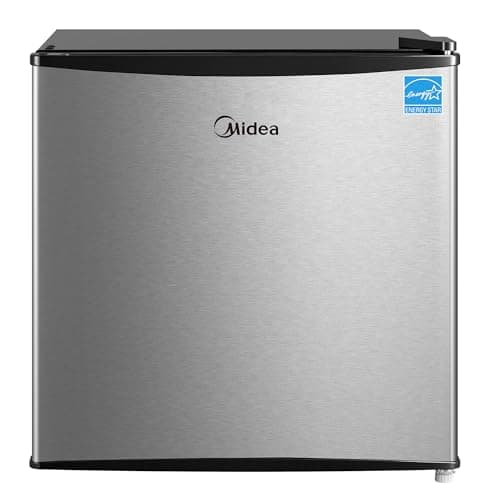
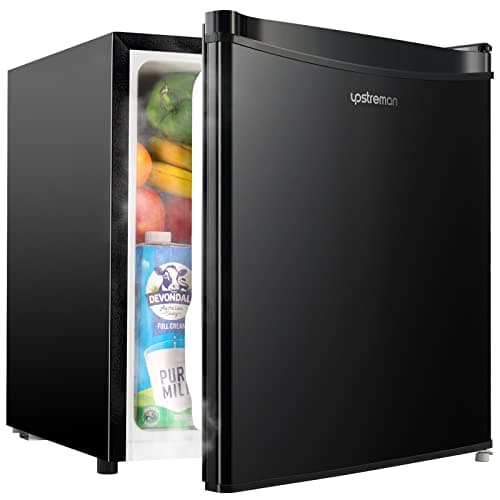
For most home bars the mini fridge to buy is the Midea 1.7 cu ft Mini Fridge: it is the common 1.7 cu ft size that slots under a counter or inside a bar cabinet, it runs on a compressor rather than a thermoelectric plate so it holds temperature in a warm room, and it is Energy Star listed. If you need a freezer for ice, buy the Upstreman 1.7 cu ft with Freezer instead. On a tight budget, the Frigidaire Mini Personal Fridge Cooler is the cheapest thing here that genuinely keeps 15 cans cold.
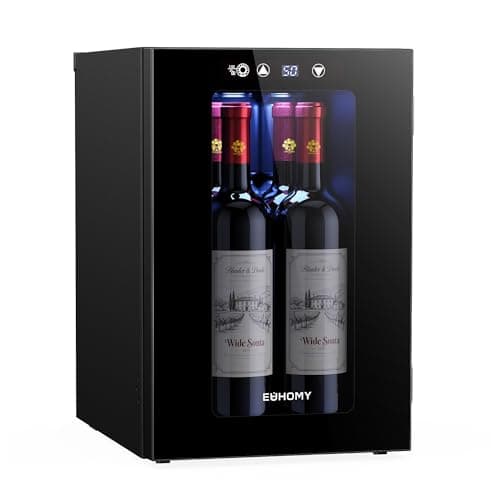
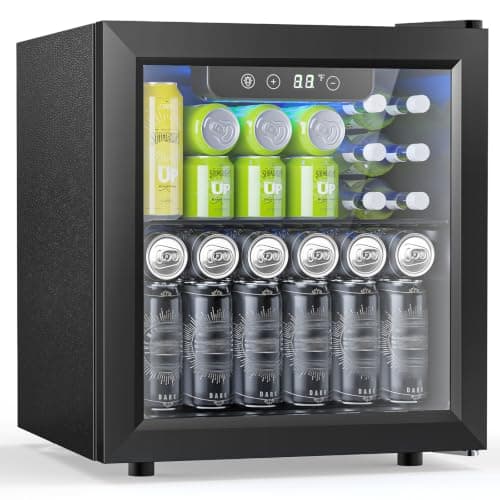
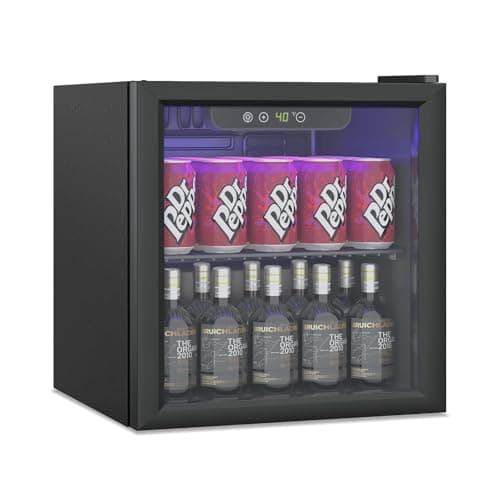
This page is about solid-door mini fridges — the squat white or black boxes with a shelf, a door bin and sometimes a small freezer. They are a different purchase from the glass-door can coolers we rank on our small beverage fridge page, and the difference matters: a solid door hides the contents and insulates better, a glass door displays bottles and loses more cold every time the room warms up. A home bar usually wants one of each — glass door out front for show, solid door underneath for the mixers, the cream, the garnishes and the ice.
The number that decides this purchase is not can capacity. It is the cabinet opening. A 1.7 cu ft mini fridge is roughly 17 to 19 inches wide and 19 to 20 inches deep, and it needs a few inches of clearance at the back and sides for the condenser to shed heat. Measure the hole first, then shop. A fridge that fits the hole but gets no airflow will run constantly, which is the single most common reason a bar fridge dies early.
Every price below is read live from Amazon and carries the date we checked it under the button. Nothing here is a hardcoded number, and where a listing has no buyable offer the button says so instead of showing a stale price.
The short answer
In a hurry? These are the picks we'd buy. Prices are live; tap a card below for the full reasoning.
The standard 1.7 cu ft compressor mini fridge, Energy Star listed — the size that fits most bar cabinets and the cooling type that copes with a warm room.
A bar cabinet or under-counter slot that needs reliable cold, not a display
$139.9915% offPrice as of November 22, 2026·#addisclosure
Midea 1.7 cu ft Mini Fridge (Energy Star)
The standard 1.7 cu ft compressor mini fridge, Energy Star listed — the size that fits most bar cabinets and the cooling type that copes with a warm room.
Capacity
1.7 cu ft
Door
Solid, reversible hinge
Cooling
Compressor
Efficiency
Energy Star listed
Pros
1.7 cu ft is the size most bar cabinets and under-counter gaps are built around
Compressor cooling holds temperature in a basement or garage bar, where thermoelectric units struggle
Energy Star listing matters on an appliance that never switches off
Solid door insulates better than glass, so the compressor cycles less
Cons
No freezer compartment, so no ice from this unit
Solid door means you cannot see what is in it without opening it
Needs clearance at the back and sides — it is not a built-in
Best for: A bar cabinet or under-counter slot that needs reliable cold, not a display.
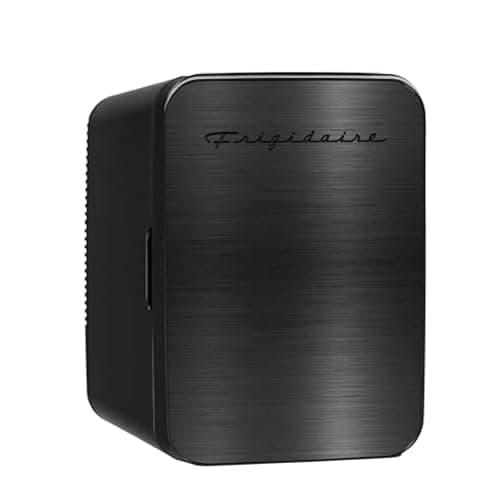
Frigidaire Mini Personal Fridge Cooler (10 L / 15 cans)
The cheapest unit here that genuinely keeps drinks cold: a 10-litre, 15-can personal cooler from a name you know.
Capacity
10 L / 15 cans
Install
Countertop, portable
Cooling
Thermoelectric
Brand
Frigidaire
Pros
By far the cheapest route to cold drinks at the bar
Light enough to move to wherever people are standing
Thermoelectric cooling is near-silent — no compressor cycling in a quiet room
A known brand at the bottom of the price range, which is unusual in this category
Cons
Thermoelectric cooling works against ambient temperature: in a hot room it will not get as cold
15 cans is a party's worth of nothing — this is a top-up fridge
No freezer, no shelving to speak of
Best for: A bar cart or desk-side spot that needs 15 cans cold and nothing more.
Skip this
The budget traps that look cheap and cost you twice. We'd skip these.
A thermoelectric mini fridge for a garage or basement bar
Thermoelectric cooling pulls heat across a plate and can only hold a fixed number of degrees below the room it sits in. In a cool basement that is fine. In a hot garage it is not, and the fridge will sit at a temperature that is cool rather than cold no matter what the dial says. For anywhere that is not climate-controlled, buy a compressor unit — our <a href="/bar-fridges/best-beverage-fridge-for-garage">garage beverage fridge page</a> covers the ambient-rating question properly, and <a href="/guides/compressor-vs-thermoelectric-wine-cooler">compressor versus thermoelectric</a> explains the mechanism.
Buying on can count instead of cabinet opening
Can ratings are measured with identical 12 oz cans stacked edge to edge and nothing else inside. Put in two tall mixer bottles, a carton of cream and a lime and the real figure halves. Meanwhile the dimension that cannot be fudged is the hole the fridge has to live in. Measure width, depth and height of the opening, subtract clearance for airflow, and shop inside that. Our <a href="/guides/home-bar-setup-cost">home bar setup cost guide</a> has the running total a fridge sits inside.
How to choose (and what to skip)
Solid door or glass door
A solid door insulates better, hides clutter and is the right answer for the working fridge under the counter — mixers, dairy, garnishes, backup beer. A glass door is for the bottles you want seen, and it costs you some efficiency and all of your tidiness. If you are only buying one, buy solid and keep the display on a shelf.
Do you need a freezer compartment
Ask what makes your ice. If the answer is an ice maker, skip the freezer and spend the space on fridge volume. If the answer is nothing yet, a freezer compartment is the cheapest ice you will ever buy — trays, not a bin, but enough for an evening. Our ice maker pages cover the step up when trays stop being enough.
Leave clearance, even on a freestanding unit
Most mini fridges want two to three inches at the back and an inch at each side so the condenser can shed heat. Built into a tight cabinet with no vent, a freestanding fridge runs continuously, gets loud and fails early. If the fridge has to be fully enclosed, you want a unit sold as built-in or front-venting, which is a different and more expensive product.
Reversible hinges are worth checking
A bar fridge whose door opens into the room you walk through is a daily annoyance. Most units in this class list a reversible hinge; it takes twenty minutes and a screwdriver. Check before you buy, because the ones that do not reverse are the ones you end up resenting.
What a bar fridge actually stores
Walk through a round of drinks and the list writes itself: tonic and soda, a couple of citrus halves, vermouth that should have gone in the fridge weeks ago, cream for a flip, a jar of olives, beer for people who do not want cocktails, and ice if nothing else is making it. Almost none of that wants to be on display, and all of it wants to be within reach of where you are standing. That is why the working bar fridge is usually a solid-door unit tucked under the counter, and the pretty glass-door cooler is a second purchase rather than the first.
1.7 cu ft is the size the market is built around
Three of the picks here cluster at 1.3 to 1.7 cu ft, and that is not a coincidence. It is the volume that fits a standard 18-inch cabinet bay, a bar cart's lower shelf in some designs, and the gap most people have under a counter. Going smaller gets you a countertop cooler, which is a genuinely different product with a narrower temperature range. Going larger — 3 to 5 cu ft — gets you a dorm fridge, which is too tall for most under-counter runs. If you are designing a bar rather than filling a gap in one, build the cabinet around 1.7 cu ft and you will always have something to put in it.
Compressor versus thermoelectric, in one paragraph
A compressor fridge works the way your kitchen fridge does: refrigerant, a pump, a condenser that gets hot. It can hold a set temperature regardless of the room, it is noisier in short bursts, and it is what you want anywhere warm. A thermoelectric cooler has no moving parts beyond a fan and shifts heat across a solid-state plate; it is near-silent and cheap, but it can only pull the inside some fixed number of degrees below ambient. In a cool room that is fine and the silence is a real benefit. In a hot garage it is the wrong appliance. The Frigidaire personal cooler here is thermoelectric and priced accordingly; everything larger is a compressor unit.
Where a mini fridge sits in a built bar
If the bar is a cabinet run, the mini fridge goes in the bay closest to where you pour and the glassware goes above it. If the bar is a cart, a countertop cooler on the lower shelf is the only option that does not make the cart unmovable. If the bar is a corner of a basement with a counter, you have the easiest version of this problem: a 1.7 cu ft unit with clearance behind it, and an ice maker beside it rather than a freezer inside it. Our home bar setup guide covers the order to buy things in, and home bar ideas shows the layouts that work in real rooms.
1.7 cu ft. It is the size most bar cabinets and under-counter gaps are built around, it holds a realistic working set of mixers and beer, and it is the volume with the widest choice of models. Measure the cabinet opening first and allow two to three inches of clearance behind for airflow.
Do I need a mini fridge with a freezer for a home bar?+
Only if nothing else makes your ice. A freezer compartment gives you ice trays and chilled glasses, which is enough for an evening, but it eats fridge space. If you already have or plan an ice maker, skip the freezer and use the volume for mixers.
Is a glass-door or solid-door mini fridge better behind a bar?+
Solid for the working fridge, glass for display. A solid door insulates better and hides the clutter a bar accumulates; a glass door shows the bottles and loses more cold. Most finished bars end up with one of each.
Can a mini fridge go inside a closed bar cabinet?+
Not unless it is sold as built-in or front-venting. A freestanding mini fridge sheds heat out the back and sides; sealed into a tight cabinet it runs constantly and fails early. Either cut a vent, leave the back open, or buy a built-in unit.
How many cans does a 1.7 cu ft mini fridge hold?+
Can ratings assume identical 12 oz cans and nothing else inside, so treat them as a ceiling rather than a plan. In real use, with mixer bottles, citrus and a carton of cream in there too, expect roughly half the advertised figure.
Prices and availability shown here come from Amazon's live data and change often; we re-verify them regularly. Bar Bumper is an Amazon Associate and earns a commission on qualifying purchases at no extra cost to you. Read our full disclosure.