Written for an unconditioned space. Why most wine fridges quietly fail in a garage, which cooling type survives it, and the five units we would put out there.
Updated October 2026 · By Stephen V.
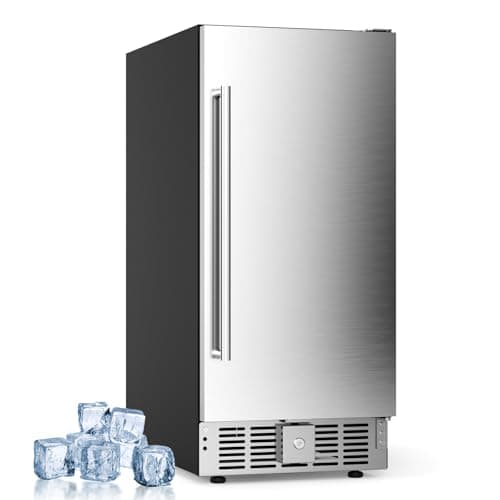
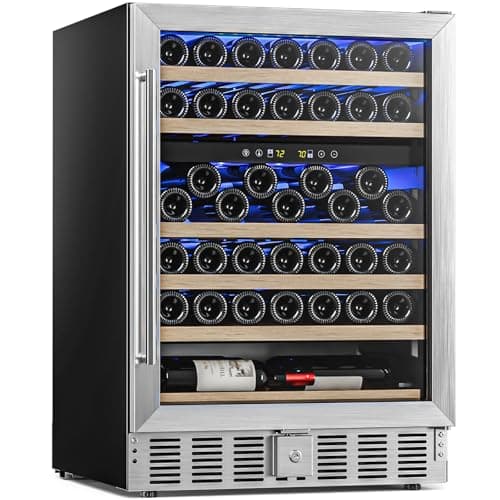
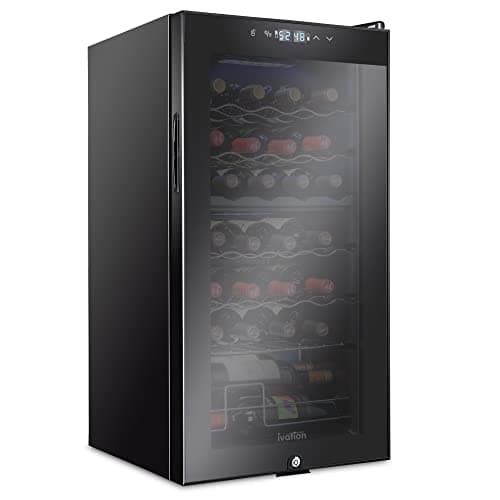
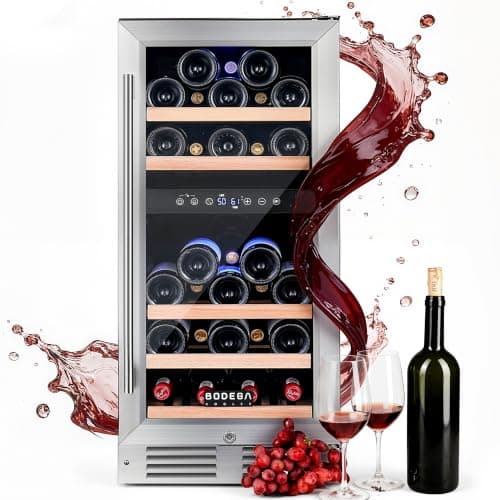
The best wine fridge for a garage is the Electactic 15-inch outdoor-rated undercounter unit: an explicitly outdoor-rated cabinet is the only kind built for ambient temperatures a garage actually reaches. After that, the honest ranking is by cooling type: the Antarctic Star 52-bottle and Ivation 28-bottle dual-zone compressor cabinets are the best indoor units to put out there, the BODEGA 15-inch is the built-in option, and the Ivation 12-bottle compressor is the small one.
The thing to understand before buying anything is this: almost every wine fridge states an ambient operating range, and it is usually something like 50 to 90 degrees. That is not a suggestion. Below the bottom of the range the unit may stop cooling entirely, because it has no heater and the room is already colder than its setpoint — and in a cold snap your wine can freeze. Above the top of the range, the compressor cannot reject heat fast enough, so it runs continuously, never reaches its setting and wears out early.
A garage in most of the country goes outside that band twice a year. So the three things to look for are: compressor cooling (never thermoelectric), the widest stated ambient range you can find, and ideally an outdoor or garage rating. True garage-ready wine fridges are rare — the garage-ready label is far more common on beer and beverage coolers — which is why an outdoor-rated unit is the top pick here.
We have not run these units through a summer and a winter. The ranking is built from published cooling type, stated ratings, zone count and capacity, plus owner-review consensus reported as other people's experience — see how we pick. Check the manufacturer's stated ambient range against your own garage temperatures before ordering. Prices come live from Amazon with the date we verified them.
The short answer
In a hurry? These are the picks we'd buy. Prices are live; tap a card below for the full reasoning.
The only unit here explicitly rated for outdoor use, which is the closest thing to a garage rating you can buy — and the reason it is the top pick despite being sold as a beverage cooler.
Antarctic Star 24-in 52-Bottle Dual-Zone Wine Fridge
A 24-inch 52-bottle dual-zone compressor cabinet — the most wine storage here, and compressor cooling is the single most important garage specification after the ambient range.
The only unit here explicitly rated for outdoor use, which is the closest thing to a garage rating you can buy — and the reason it is the top pick despite being sold as a beverage cooler.
Rating
Outdoor-rated
Width
15 in
Type
Undercounter
Cooling
Compressor
Pros
Built for ambient swings rather than merely tolerating them
15-inch undercounter format suits a garage bar or a workbench run
Compressor cooling that holds a setting in heat
Outdoor-rated construction stands up to dust and damp better than an indoor cabinet
Cons
Sold as a beverage cooler, so racking is not wine-specific
Bottle capacity is lower than a dedicated wine cabinet of the same size
Outdoor ratings cost money
Best for: An unconditioned garage, carport or covered patio.
Antarctic Star 24-in 52-Bottle Dual-Zone Wine Fridge
A 24-inch 52-bottle dual-zone compressor cabinet — the most wine storage here, and compressor cooling is the single most important garage specification after the ambient range.
Capacity
52 bottles
Zones
Dual
Cooling
Compressor
Width
24 in
Pros
Compressor cooling holds its setting when the garage is warm
Two zones for whites and reds in one cabinet
Large thermal mass, so it rides out short swings better than a small unit
The most storage per dollar on this page
Cons
An indoor cabinet in an outdoor-ish location — check the stated ambient range
No garage or outdoor rating
Needs 24 inches of width and real ventilation clearance
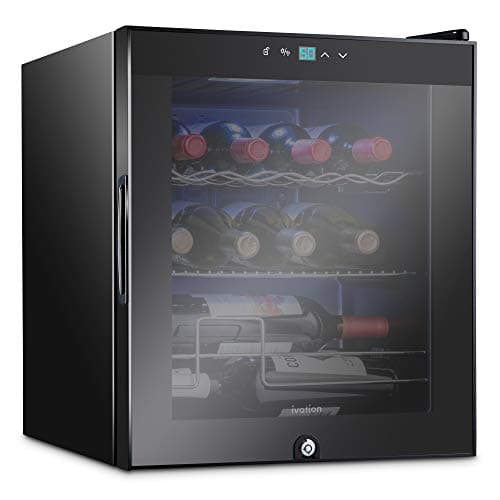
A 12-bottle lockable compressor cooler that sits on a bench — the small, cheap way to keep a dozen bottles out of the house.
Capacity
12 bottles
Cooling
Compressor
Type
Countertop
Security
Lockable
Pros
Compressor cooling in a countertop unit, which is less common than it should be
Small and light enough to bring indoors for winter
Lockable, which suits a shared garage
The cheapest honest entry on this page
Cons
Small cabinets follow the room temperature fastest
12 bottles is a shelf, not a cellar
Single zone
Best for: A workshop fridge for a dozen bottles.
Skip this
The budget traps that look cheap and cost you twice. We'd skip these.
Any thermoelectric wine cooler, in any garage
A thermoelectric cooler moves heat with a Peltier element and can only pull the interior a fixed number of degrees below the room — typically around 20. In a 95 degree garage that means an interior in the mid 70s, which is not wine storage; in a 35 degree garage it means no cooling at all and a real risk of the wine freezing. Thermoelectric units are quiet, cheap and completely wrong for this job. Compressor cooling only, every time.
Ignoring the stated ambient range because the fridge looks sturdy
The ambient range is an engineering limit, not marketing. Run a unit rated for 50 to 90 degrees in a garage that hits 100 and it will run its compressor continuously, never reach setpoint, and fail years early — and most warranties exclude operation outside the stated range, so the failure is on you. If your garage genuinely goes beyond the band, either insulate and condition the space, or keep the wine indoors and put beer out there instead.
How to choose (and what to skip)
Find out what your garage actually does
Put a cheap min-max thermometer in the garage for a month in summer and a month in winter. Most people are surprised in both directions. That one data point tells you whether you need an outdoor-rated unit, whether a standard compressor cabinet will cope, or whether the honest answer is that wine should not live out there at all. Guessing is how people learn this the expensive way.
Compressor cooling, no exceptions
This is the single rule of garage refrigeration. Compressor units hold their setting independently of the room, within their stated range; thermoelectric units work from the room temperature and give up at both ends. The trade is a faint hum, slightly more power and a bit more money, and in an unconditioned space it is not a trade at all — it is the difference between an appliance and an ornament.
Bigger cabinets ride out swings better
Thermal mass works in your favor. A full 52-bottle cabinet holds its internal temperature through a hot afternoon far better than a 12-bottle countertop unit, because there is more cold wine and glass inside to absorb the change. If your garage is marginal rather than extreme, buying a size up and keeping it full is a genuine mitigation, not just an excuse to buy more wine.
Leave real ventilation clearance, and keep it off the sun side
A compressor rejects heat into the room, and a garage is already the hottest room in the house in August. Give a freestanding unit the clearance the manual asks for at the back and sides, keep it away from the garage door and any window that gets afternoon sun, and do not box it in unless it is specifically front-venting. Heat it cannot shed is heat it has to fight.
Have a winter plan
The cold end is the one people forget, and it is the one that actually ruins wine — a bottle that freezes can push its cork or crack. Options, in order of cost: insulate and heat the garage; move the bottles indoors for the coldest month; buy a unit small enough to bring inside; or accept the risk with cheap wine only. A fridge cannot warm its contents, so whatever your garage does in January is what your wine does in January.
Why most wine fridges fail in a garage
Because they are designed for a house. A wine fridge is a small cooling system optimized for a narrow temperature lift in a stable room — typically rated for ambient temperatures between about 50 and 90 degrees. A garage is the least stable room on the property: it is uninsulated, it has a huge thin door, it shares a wall with the outside on three sides, and in summer a car radiating heat gets parked in it. At the hot end the unit runs flat out and still loses; at the cold end it simply does not run, because the room is already below its setpoint and there is no heater inside. Both ends are bad, and neither is a defect.
What garage ready actually means
On a beer or beverage fridge, garage ready is a real label with a real meaning: the unit is rated to run across a wider ambient band, often roughly 38 to 110 degrees. On wine fridges it is far rarer, which is why this page leans on outdoor-rated units and on compressor cooling instead. If you find a wine cabinet that states a wide ambient range in its specifications, that number is worth more than any marketing phrase — and if a listing makes the claim without stating a range, treat the claim as unsupported.
The cold end is the dangerous one
Heat is bad for wine over months; freezing is bad for it in one night. Water expands as it freezes, and a frozen bottle pushes its cork out or cracks at the shoulder — and wine that has been frozen and thawed is flat and dull even when the bottle survives. A wine fridge cannot help you here at all: it has no heating element, so its interior tracks the garage downward. This is the reason we would never put wine we cared about in an unheated garage in a cold climate, however good the fridge is. Beer, soda and mixers are far more forgiving, which is what the beverage fridge roundup is for.
How to make a garage work for wine
In order of effectiveness. Insulate the garage door — it is the single biggest hole in the envelope and kits are cheap. Put the fridge on an interior wall, away from the door and out of the sun. Keep it full, because thermal mass smooths the swings. Add a heat source for the coldest weeks, even a small thermostatically-controlled heater, since the aim is only to keep the space above the fridge's lower limit. Log the temperature for a year before you trust the space with anything expensive. None of this is exotic, and together it turns a marginal garage into a workable one.
When to put something else out there instead
If your garage regularly goes below freezing or above 100 degrees, the answer is not a better wine fridge — it is a different appliance. A garage-rated beverage fridge full of beer and mixers survives conditions that would ruin wine, and a 15-inch undercounter beverage unit fits the same bar run you were planning. Keep the wine indoors in a small wine fridge where it is stable, and let the garage do the job it is good at: cold beer and cold soda for the people out there.
Frequently asked questions
What is the best wine fridge for a garage?+
The Electactic 15-inch outdoor-rated undercounter unit — an explicit outdoor rating is the closest thing to a garage rating available, and it is built for ambient swings rather than merely tolerating them. If you want wine-specific racking, the Antarctic Star 52-bottle dual-zone compressor cabinet is the best indoor unit to put out there.
Can you put a wine fridge in a garage?+
Only if the garage stays inside the unit's stated ambient range, which is typically 50 to 90 degrees. Above it, the compressor runs continuously and fails early; below it, the unit stops cooling and the wine can freeze. Check the stated range against a month of min-max readings from your own garage before deciding.
What does garage ready mean on a fridge?+
That the unit is rated to run across a wider ambient band than a normal indoor appliance — often roughly 38 to 110 degrees. The label is common on beer and beverage coolers and rare on wine fridges. If a listing claims it without stating a temperature range, treat the claim as unsupported.
Will wine freeze in a garage fridge?+
It can. A wine fridge has no heater, so its interior follows the garage down in cold weather. Frozen wine pushes corks out or cracks bottles at the shoulder, and even an intact thawed bottle tastes flat. In a cold climate, insulate and heat the space, move the bottles indoors for the worst weeks, or keep only cheap wine out there.
Are thermoelectric wine coolers OK in a garage?+
No. A thermoelectric cooler can only pull the interior about 20 degrees below the room, so in a hot garage it cannot get near wine temperature, and in a cold one it does nothing at all while the wine heads toward freezing. Compressor cooling is the only sensible choice for an unconditioned space.
How do you keep a garage wine fridge from overheating?+
Give it the ventilation clearance the manual specifies, put it on an interior wall away from the garage door and afternoon sun, keep it full so thermal mass smooths the swings, and insulate the garage door. Never box a freestanding unit into cabinetry unless it is specifically described as front-venting.
Prices and availability shown here come from Amazon's live data and change often; we re-verify them regularly. Bar Bumper is an Amazon Associate and earns a commission on qualifying purchases at no extra cost to you. Read our full disclosure.