They look like the same appliance and they are not. One holds 45 to 65 degrees and lays bottles on their side; the other holds 35 to 40 and has a freezer box. Here is which one your room needs.
Updated October 2026 · By Stephen V.
Buy a wine fridge if you are storing wine, and a mini fridge if you are chilling drinks. The difference is temperature: a wine fridge holds somewhere in the 45 to 65 degree band, which is serving and short-term storage temperature for wine, while a mini fridge runs at 35 to 40 degrees, which is correct for food and too cold for almost every wine. A mini fridge will not ruin a bottle you drink next week, but it is the wrong tool and it cannot lay bottles on their side.
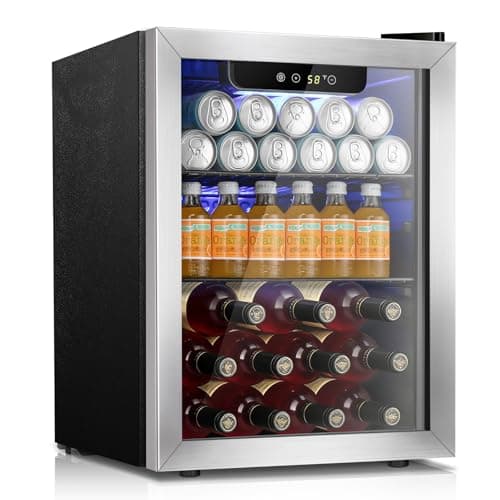
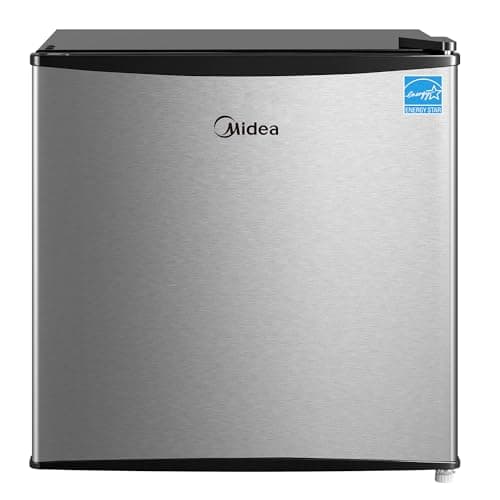
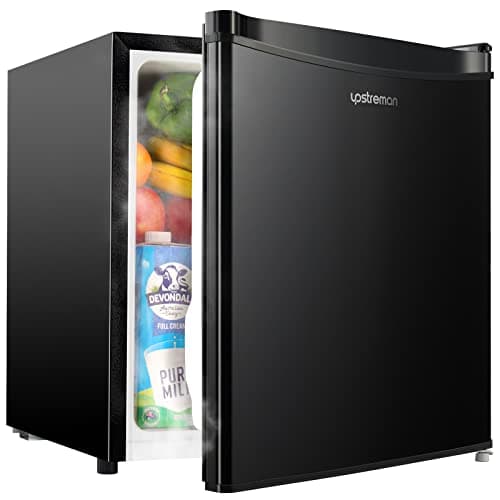
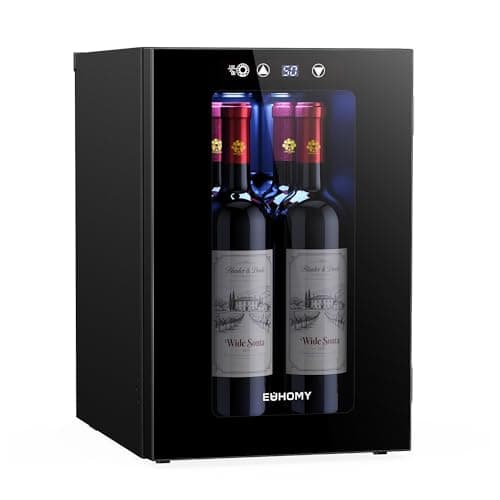
Our picks: the Kismile 18-bottle freestanding wine cooler if wine is the point; the Midea 1.7 cu ft mini fridge if cold cans are the point; the Upstreman 1.7 cu ft with a freezer compartment if you also want ice or frozen food; and the EUHOMY 18 L wine and can mini fridge if the space is so tight that one small box has to do both jobs.
The reason this comparison comes up at all is price. A mini fridge is usually cheaper than a wine fridge of similar size, which makes it look like the sensible substitute. Sometimes it is — if the bottles are turning over in a fortnight and nobody is precious about serving temperature, a mini fridge full of wine is fine. But if you want red wine at drinking temperature rather than cellar-cold, a wine fridge is the only one of the two that can do it.
We have not run these units side by side with data loggers. The comparison is built from published temperature ranges, cooling type, shelving and capacity, plus owner-review consensus reported as other people's experience — see how we pick. Prices come live from Amazon with the date we verified them.
The short answer
In a hurry? These are the picks we'd buy. Prices are live; tap a card below for the full reasoning.
EUHOMY 18L Wine & Can Mini Fridge (4 bottle / 6 can)
An 18 liter cooler that takes four bottles or six cans — the honest answer when there is only room for one appliance and it has to do a bit of everything.
EUHOMY 18L Wine & Can Mini Fridge (4 bottle / 6 can)
An 18 liter cooler that takes four bottles or six cans — the honest answer when there is only room for one appliance and it has to do a bit of everything.
Type
Wine and can mini fridge
Capacity
4 bottles / 6 cans
Size
18 L
Use
Countertop
Pros
Small enough to sit on a bar top rather than under it
Takes bottles or cans, so it flexes with the evening
Cheapest unit here by a wide margin
Quiet enough for a bedroom or a small den
Cons
Four bottles is a weekend, not a collection
Thermoelectric-style coolers struggle in a warm room
Neither as cold as a mini fridge nor as stable as a wine fridge
Best for: A single small box that has to do both jobs.
Skip this
The budget traps that look cheap and cost you twice. We'd skip these.
Storing wine long term in a mini fridge
Two problems, and only one of them is temperature. A mini fridge runs at 35 to 40 degrees, which is colder than any wine wants and will dull a good bottle over months. The bigger issue is dryness: a food fridge actively removes moisture, and a dry cork shrinks, lets air past and oxidizes the wine. For a bottle you will drink this month, none of that matters. For a case you are keeping a year, it does.
Buying a wine fridge to chill soda and beer
A wine fridge is built to hold a stable temperature in the 45 to 65 degree band, which means a can of beer out of one is cool rather than cold. People who buy a wine fridge for mixed drinks duty are usually disappointed, and the fix is not a colder setting — many units simply will not go that low. If drinks are the job, buy a <a href="/bar-fridges/best-beverage-refrigerator">beverage fridge</a>, which is a different appliance again: cold like a mini fridge, racked like a wine fridge.
How to choose (and what to skip)
Decide what you are actually storing
Wine, long term, at drinking temperature: wine fridge. Cans, bottles and mixers, as cold as possible: mini fridge. Mostly cans but a couple of bottles of white: a beverage fridge is the appliance built for that and it sits between the two. Buying the wrong one is rarely a disaster — it is just an appliance doing a job it was not designed for, forever.
Check the temperature range in the listing, not the category
Category names are marketing; the temperature range is a specification. Some wine fridges go down to the low 40s, which makes them usable for white wine and marginal for beer. Some mini fridges have a dial that only reaches the mid 40s at its warmest, which makes them tolerable for short-term wine. Read the stated range and decide from that rather than from the name on the box.
Horizontal racks are the other real difference
Wine fridges lay bottles down so the wine stays in contact with the cork and the cork stays wet. Mini fridge shelves are flat wire, which means bottles stand up or roll about, and a standing bottle with a drying cork is the exact failure mode you are trying to avoid. If you only ever buy screw-cap wine, this matters much less than the internet suggests.
Compressor or thermoelectric changes where it can live
Thermoelectric coolers are silent and cheap but can only pull the inside temperature a fixed amount below the room, so in a warm room or a garage they simply stop keeping up. Compressor units cost more and hum a little, and they hold temperature regardless of the room. For a cupboard, a hot room or a garage, buy compressor. Our <a href="/bar-fridges/best-garage-wine-fridge">garage wine fridge page</a> explains that limit in detail.
Think about noise and door type in a small room
A mini fridge has a solid door and usually a slightly louder compressor; a wine fridge has a glass door and is often quieter but has to work harder because glass is a poor insulator. In a bedroom, den or studio, noise is the thing you notice daily, and a low-noise rating is worth more than a bottle count. In a garage or basement, neither matters.
The head-to-head, in one paragraph
Temperature: wine fridge 45 to 65 degrees, mini fridge 35 to 40. Shelving: horizontal bottle racks versus flat wire shelves. Humidity: wine fridges try to keep some, food fridges actively remove it. Door: usually glass versus usually solid. Freezer: never versus often. Price at the same size: the mini fridge is usually cheaper. Flexibility: the mini fridge wins easily — it will hold anything, including wine, badly. That is the entire comparison, and everything below is the detail behind those lines.
Can you use a mini fridge as a wine fridge?
For wine you are drinking within a few weeks, yes — with one adjustment. Set the fridge as warm as it will go, store bottles standing if the shelves cannot hold them safely on their side, and take reds out 20 to 30 minutes before serving, because a bottle at 38 degrees in a glass is closed and sour-tasting until it warms. What you cannot do is treat it as storage. Over months, the cold dulls the wine and the dry air shrinks the cork. If the plan is a dozen bottles that turn over constantly, a mini fridge is a defensible, cheap choice; if the plan is a collection, it is not.
Wine fridge vs regular fridge
The same comparison, with the gap wider. A full-size kitchen fridge runs at 35 to 38 degrees, is opened several times an hour, vibrates more, and is the driest environment in the house thanks to the frost-free system that keeps the freezer clear. Vibration and temperature swings are both bad for wine over time. Again, for a bottle of white you will open tonight it is completely fine — chilling in the kitchen fridge is normal and correct. For storage of anything you care about, a dedicated wine fridge is the appliance that was designed for the job, and it costs less than a case of decent wine.
Where a beverage fridge fits between them
A beverage fridge is the third appliance people do not realize they want: it chills to drinks temperature like a mini fridge, but it is racked and glass-fronted like a wine fridge, and it is sized in cans rather than cubic feet. For a home bar, it is usually the right answer — most of what a bar fridge holds is cans, mixers and the odd bottle of white, and a beverage fridge does all three. Our beverage fridge roundup covers them, and the wine fridge versus beverage fridge comparison is the page to read if that is the real choice you are making.
The verdict: who should buy which
Buy the wine fridge if you keep more than about six bottles at a time, if you care about serving reds at 60 rather than 40 degrees, or if the bottles sit for months. Buy the mini fridge if the appliance is really for cans, mixers and leftovers and the wine is incidental, or if you need a freezer compartment. Buy the small hybrid cooler only if the space is so tight that one small box has to do everything — it compromises on both jobs, honestly, but it is better than no cold storage at all. And if what you are furnishing is a bar rather than a wine habit, read the small beverage fridge picks before buying either.
Frequently asked questions
What is the difference between a wine fridge and a mini fridge?+
Temperature and shelving. A wine fridge holds 45 to 65 degrees and lays bottles on horizontal racks so the corks stay wet; a mini fridge runs at 35 to 40 degrees on flat wire shelves and often has a freezer box. A mini fridge is more flexible and usually cheaper; a wine fridge is the only one of the two that can store wine properly.
Can you use a mini fridge as a wine fridge?+
For bottles you will drink within a few weeks, yes — set it as warm as it goes and let reds warm up for 20 to 30 minutes before serving. For long-term storage, no: the temperature dulls the wine and the dry air shrinks corks, which lets air in and oxidizes the bottle.
Is a wine fridge better than a regular fridge for wine?+
Yes, for anything you are keeping. A kitchen fridge is colder than wine wants, is opened constantly, vibrates more and is actively dried by its frost-free system. Chilling a white for tonight in the kitchen fridge is completely fine; storing bottles there for months is not.
Is a wine fridge cold enough for beer?+
Usually not. Most wine fridges bottom out somewhere in the low to mid 40s, so beer and soda come out cool rather than cold, and many units will not go lower whatever the dial says. If drinks are the main job, buy a beverage fridge — same racked, glass-fronted format, but it chills to drinks temperature.
Which is cheaper, a wine fridge or a mini fridge?+
At the same external size, the mini fridge usually is — that is why the comparison comes up. The honest way to decide is what the appliance is for rather than the price: a cheap appliance doing the wrong job is a cost that repeats every time you use it.
Do you need a wine fridge for screw-cap wine?+
The cork argument disappears, so horizontal racking stops mattering much — but the temperature argument does not. Screw-cap wine stored at 38 degrees for months is still being held too cold. If all your wine is screw cap and turns over fast, a mini fridge set warm is a reasonable substitute.
Prices and availability shown here come from Amazon's live data and change often; we re-verify them regularly. Bar Bumper is an Amazon Associate and earns a commission on qualifying purchases at no extra cost to you. Read our full disclosure.