A garage swings from below freezing to over 100 degrees, and most beverage fridges publish an ambient range that does not cover it. That spec, not capacity, is what decides this purchase.
Updated October 2026 · By Stephen V.
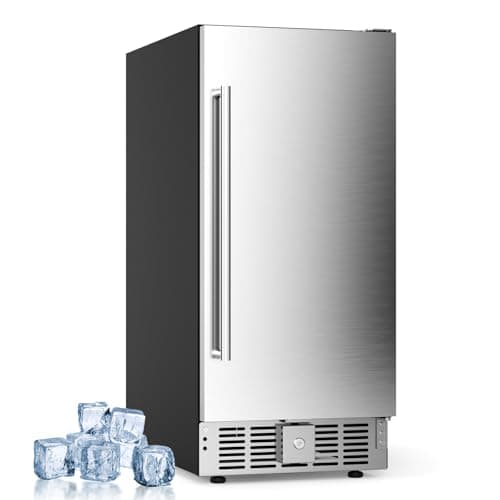
For a garage, buy an outdoor-rated compressor unit: the Electactic 15-in Outdoor-Rated Undercounter Beverage Cooler is the pick, because an outdoor rating is the only published spec that actually promises the fridge will work in a space that is 40 degrees in February and 100 degrees in July.
This is the one fridge purchase where capacity is the wrong thing to shop on. Every refrigerator has an ambient operating range — the air temperature the unit is designed to sit in — and a garage spends a good part of the year outside the band that an indoor beverage fridge publishes. Too hot, and the compressor runs constantly and still cannot hold temperature. Too cold, and something counter-intuitive happens: the thermostat reads the cold air, decides no cooling is needed, and the cabinet drifts to whatever the garage is doing. In an uninsulated garage in January that can mean frozen, split cans.
The second thing that decides this purchase is the cooling technology. A thermoelectric cooler can only pull the cabinet somewhere around 15 to 20 degrees below the air around it, which is fine in a 70-degree kitchen and useless in a 95-degree garage — it will hold roughly 75 to 80 degrees, which is not a cold drink. A compressor unit cools to a set temperature regardless, which is why every pick on this page is a compressor model. Our compressor versus thermoelectric guide works through the difference in detail.
Everything below is a current Amazon listing with a live price and the date we checked it. If the fridge is going in a finished basement or a den rather than a garage, you want the general beverage refrigerator roundup instead — it has more choice and costs less, because it does not have to survive the weather.
The short answer
In a hurry? These are the picks we'd buy. Prices are live; tap a card below for the full reasoning.
An outdoor-rated 15-inch undercounter cooler — the only kind of rating that actually addresses a garage's temperature swing, at a price close to indoor units.
A garage, carport or covered patio that gets hot and cold
An outdoor-rated 15-inch undercounter cooler — the only kind of rating that actually addresses a garage's temperature swing, at a price close to indoor units.
Rating
Outdoor-rated
Cooling
Compressor
Width
15 in
Install
Undercounter or freestanding
Pros
An outdoor rating is the published spec that speaks to a garage's ambient swing
Compressor cooling, so it holds a set temperature instead of tracking the room
15-inch width drops into a standard cabinet opening if the garage has a bar or bench run
Outdoor-rated electronics and seals handle humidity better than an indoor cabinet
Cons
Outdoor-rated units cost more than the equivalent indoor cooler
15 inches is a modest capacity — this is a drinks fridge, not a second refrigerator
Still needs the condenser kept clear of garage dust
Best for: A garage, carport or covered patio that gets hot and cold.
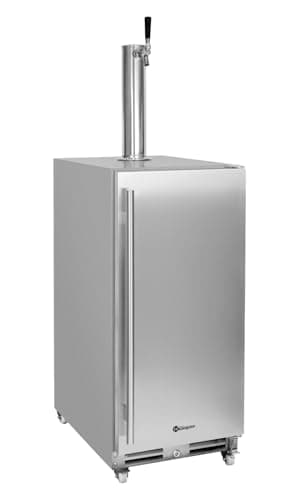
An outdoor-rated built-in stainless kegerator — the expensive answer for a garage bar where the drink in question is draft rather than cans.
Rating
Outdoor-rated
Type
Built-in kegerator
Width
15 in
Finish
Stainless
Pros
Outdoor-rated and built for a garage or patio bar run
Stainless front handles humidity and knocks better than a painted cabinet
A keg takes less fridge volume than the equivalent in cans
15-inch built-in footprint, so it fits a standard bar cabinet opening
Cons
Several times the price of the beverage coolers above
A kegerator is a maintenance commitment — lines need cleaning on a schedule
Only makes sense if you actually want draft; it will not hold 130 cans
Best for: Draft beer in a garage or outdoor bar, built in.
Skip this
The budget traps that look cheap and cost you twice. We'd skip these.
Any thermoelectric beverage cooler, in any garage
Thermoelectric units have no compressor — they move heat across a solid-state Peltier plate, and the physics limits them to roughly 15 to 20 degrees below the surrounding air. In a 95-degree garage that is a cabinet at 75 to 80 degrees, which is not a cold drink and is warm enough to spoil wine. They are quiet, cheap and perfectly good indoors; they are the single wrong answer for a garage. Check the listing for the word compressor and walk away if it says thermoelectric.
A standard indoor wine fridge, for wine stored in a garage
Wine is more sensitive than beer or soda, and a garage is the worst place in the house for it — not only because of the temperature extremes but because of the <em>swing</em>, which pushes wine in and out of the cork. If you want wine in the garage you need a unit built for a wide ambient range, which is a different product from the one on this page: our <a href="/bar-fridges/best-garage-wine-fridge">garage wine fridge roundup</a> covers it. Putting an indoor wine cabinet in an uninsulated garage ruins both the wine and the fridge.
How to choose (and what to skip)
Read the ambient operating range before anything else
Nearly every fridge listing publishes an ambient range, and that single figure decides whether the appliance works where you are putting it. Measure your garage at its worst — a cheap thermometer left out for a week in August and again in January tells you more than any review. If your extremes fall outside the range, the unit will either run constantly and fail early, or stop cooling entirely in winter. Outdoor-rated and garage-ready units exist precisely because the normal range does not cover a garage.
Compressor, not thermoelectric — there is no second option
A compressor fridge cools to a thermostat setting regardless of how hot the room is, up to its design limit. A thermoelectric cooler can only maintain a fixed difference below ambient. In a climate-controlled room both work; in a garage only one does. This is the spec most buyers never look at, and it is the reason most garage beverage fridge complaints exist.
Cold garages are the problem people do not anticipate
Everyone plans for heat. The failure that surprises people is winter: the thermostat senses cold air, concludes the cabinet does not need cooling, and the contents drop to garage temperature. Cans freeze and split, and bottles can break. Appliances sold as garage-ready handle this with a heater or a different control strategy; standard units do not. If your garage goes below freezing, an outdoor-rated or garage-rated unit is not optional.
Dust is the slow killer
A garage is the dustiest room in a house, and a condenser coil packed with dust and sawdust cannot shed heat — so the compressor runs longer, the cabinet runs warmer and the unit dies years early. Whatever you buy, find the condenser (usually a grille at the front bottom on built-in units, or the back on freestanding ones), and vacuum it two or three times a year. It is the single highest-value maintenance habit for an appliance in a garage.
Built-in or freestanding changes where the heat goes
A built-in unit vents forward through a front grille, so it can sit inside a cabinet run with no air gaps — which is what you want in a garage bar or bench. A freestanding unit vents from the back and sides and needs clearance; box it in and it overheats. In a garage, the practical difference is that a built-in in a cabinet stays cleaner, while a freestanding unit in the open is easier to pull out and vacuum behind.
What a garage actually does to a fridge
An attached, uninsulated garage in most of the US sees a swing of 60 to 80 degrees across the year, and it does it with no humidity control. Three things follow. First, in summer a fridge at the top of its ambient range runs near-continuously, which shortens compressor life and makes the unit noisy. Second, in winter a thermostat reading cold air stops calling for cooling and the cabinet tracks the garage down — cans freeze. Third, humidity swings cause condensation on and inside the cabinet, which is how door seals go moldy and electronics corrode. An outdoor rating is a manufacturer's answer to all three at once.
Beverage fridge, garage refrigerator or kegerator?
A beverage fridge holds cans and bottles at drinking temperature behind a glass door, and that is what most people want in a garage: a drinks fridge next to the bench or the bar. A garage-ready full refrigerator is a different appliance — a solid-door fridge-freezer sold specifically with a wide ambient rating, and the right buy if you also want frozen storage. A kegerator is for draft, holds far fewer total drinks, and needs line cleaning every couple of weeks; our is a kegerator worth it page covers that commitment honestly. Pick the appliance by what you will put in it, then apply the ambient-range rule to whichever you chose.
Where to put it, and what to put it on
Three practical notes that come up constantly. Keep the unit off the floor if the garage floor gets wet — a cheap appliance mat or a plinth protects the base and makes it possible to sweep underneath. Keep it out of direct sun through a window or an open garage door, because radiant heat on a glass door undoes a lot of the cooling. And put it on a circuit you understand: a compressor has a startup surge, and a drinks fridge sharing an extension cord with a table saw is a nuisance trip waiting to happen. A dedicated outlet is the right answer and rarely an expensive one.
If the garage is the home bar
A lot of garage bars are better rooms than the basement bar they replaced, and they get built the same way: a cabinet run, a 15-inch cooler in the base, stools at a raised top. If that is the plan, buy the undercounter unit rather than a freestanding one, size the opening at 15 inches and plan the venting forward. Our pages on bar height stools and the best undercounter beverage fridges cover the two other decisions that run that build, and home bar ideas has the layouts.
Our verdict
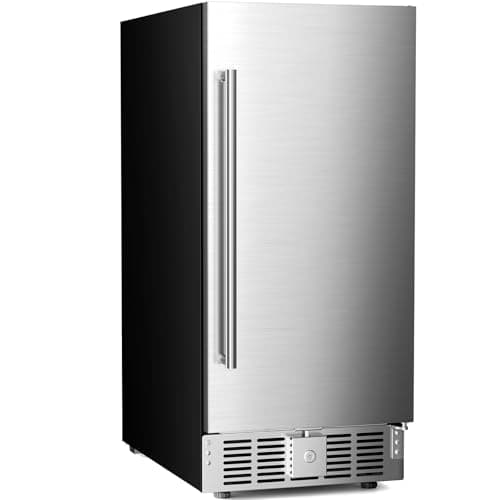
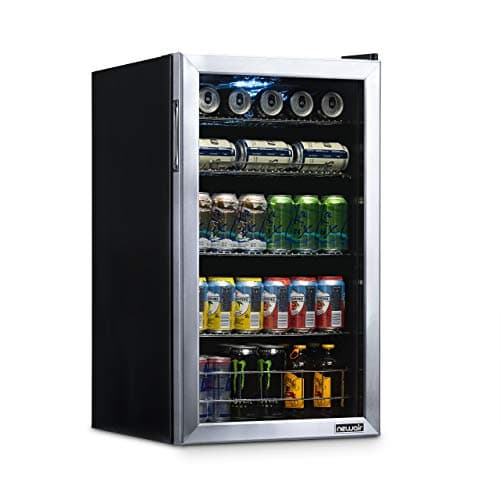
If your garage is uninsulated, or it drops below freezing, or it clears 95 degrees in summer, buy the outdoor-rated Electactic 15-inch cooler and treat the extra cost as the price of the appliance surviving. If the garage is attached, insulated and stays within a normal range, the Antarctic Star 135-can gives you far more drinks per inch, and the NewAir 126-can is the cheapest route if there is no cabinetry to build it into. And if what you actually want out there is draft beer, the outdoor-rated Kegco is the only pick here built for it.
Frequently asked questions
Can you put a beverage fridge in a garage?+
Yes, but only if its published ambient operating range covers your garage's real temperature extremes. Most indoor beverage fridges do not. An outdoor-rated or garage-ready compressor unit does, which is why that rating is the first spec to check — ahead of capacity, finish or price.
Why do fridges stop working in a cold garage?+
The thermostat reads the cold air around the cabinet and concludes no cooling is needed, so the compressor never runs and the contents fall to garage temperature. In a garage below freezing that means frozen, split cans. Garage-ready and outdoor-rated units are built to handle this; standard indoor units are not.
Will a thermoelectric cooler work in a garage?+
No. Thermoelectric units can only hold the cabinet roughly 15 to 20 degrees below the surrounding air, so in a 95-degree garage they sit at 75 to 80 degrees. They are quiet and cheap and fine indoors, but a garage needs a compressor unit without exception.
What ambient temperature range does a garage fridge need?+
Match it to your own garage rather than to a number from a review. Leave a thermometer in the garage for a week in the hottest month and again in the coldest, and buy a unit whose published ambient range covers both figures. For most uninsulated garages that means an outdoor-rated or garage-rated appliance.
Is an outdoor-rated fridge worth the extra money for a garage?+
If the garage is uninsulated, yes. The outdoor rating covers the wide ambient range, the humidity and the sealed electronics all at once, and it is cheaper than replacing an indoor unit that failed in its second summer. For an insulated, attached garage that stays in a normal range, a standard compressor unit is usually fine.
How do you maintain a fridge in a garage?+
Vacuum the condenser coil two or three times a year — garage dust is the main cause of early failure. Keep the unit off a wet floor, out of direct sunlight, and on an outlet it does not share with power tools. Check the door seal for mold after humid spells and wipe it with a mild cleaner.
Beverage fridge or a second full fridge for the garage?+
A beverage fridge if you want cans and bottles at drinking temperature behind a glass door, which is what most garage bars need. A garage-ready full refrigerator if you also want freezer space or to store food. Both must be judged on the same ambient-range spec; the difference is what you plan to put inside.
Prices and availability shown here come from Amazon's live data and change often; we re-verify them regularly. Bar Bumper is an Amazon Associate and earns a commission on qualifying purchases at no extra cost to you. Read our full disclosure.