The YETI is the ice bucket everyone photographs and the one most people balk at paying for. Seven alternatives, each matched to it on a stated property rather than ranked on general merit.
Updated November 2026 · By Stephen V.
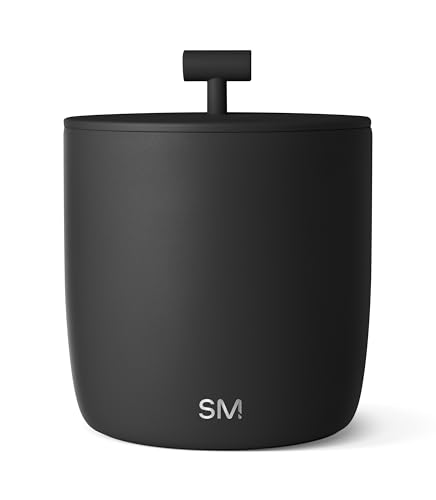
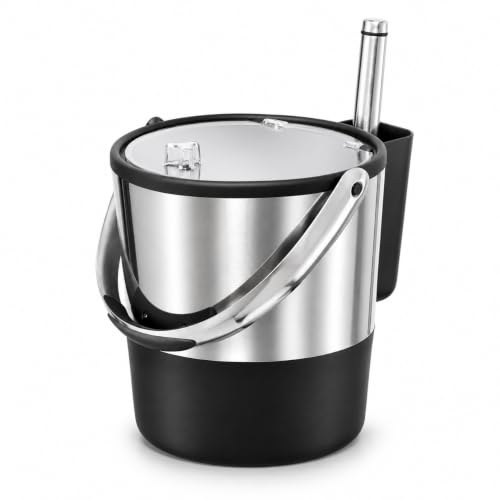
Buy the Simple Modern vacuum-insulated ice bucket. It is the closest match on this page to what the YETI actually is - a double-wall vacuum-insulated stainless bucket with a lid - and the listing publishes a 100-ounce capacity and includes a scoop, for a fraction of the YETI's price. If you want the look rather than the thermal performance, the Old Dutch copper bucket is the one people comment on. The budget pick is the ChefBee 3-litre double-wall bucket, the cheapest insulated bucket here that still arrives with a lid and tongs.
This page is not a general ice bucket ranking - that is our best ice bucket roundup, and the YETI is a pick on it. Here, every product is matched against the YETI on a property the listing states: whether it is vacuum insulated or merely double-walled, the published capacity, whether a lid is included, and whether tongs or a scoop come in the box. The YETI itself is deliberately not a pick, because the whole reason you are reading this is that you have already looked at it.
What you are actually replacing
The YETI Rambler Beverage Bucket is a stainless steel bucket with a lid, sold at a price that puts it several times above almost every other ice bucket on the market. Three things are being bought with that money: the insulation, which slows the melt; the build, which is thick stainless that will survive a decade of patio use; and the brand, which is a real part of the purchase and worth naming honestly.
Two of those three are available much cheaper, and the third is not. Vacuum insulation is a manufacturing process, not a trade secret, and a handful of makers publish it at a third of the price. Heavy stainless construction is similarly available. What you cannot buy cheaper is a YETI, and if the bucket is going on a table in front of guests, that may genuinely be the thing you want - in which case none of these is the right answer and you should buy the YETI.
How we matched these
Insulation, as published. Double-wall vacuum insulation is the real thermal feature: two walls with the air pumped out between them, so there is almost no conductive path for heat. Plain double-wall - two walls with air still in the gap - is better than single-wall and well behind vacuum. We only call a bucket vacuum insulated where the listing says so.
Published capacity, in a comparable unit. Bucket capacity is published in ounces, quarts and litres depending on the maker, which makes comparison harder than it should be. Every pick here carries its published figure, converted where needed: a 3-quart bucket holds roughly 96 ounces, a 3-litre bucket roughly 101.
Lid, or no lid. A lid is most of why an insulated bucket holds ice: the largest heat path into a bucket of ice is the open top. A vacuum-insulated bucket used with the lid off is a very expensive uninsulated bucket.
What is in the box. Tongs, a scoop or a strainer insert bought separately cost more than the gap between two buckets. Where a pick includes them, that is a real part of its value, and where it does not, the cons say so.
We have not run a melt test with a thermometer and a stopwatch against the YETI, and no listing supports a claim that one insulated bucket holds ice measurably longer than another. The matching is built from published insulation types, published capacities, what is in the box, construction materials and owner-review consensus reported as other people's experience — see how we pick. Prices come live from Amazon with the date we verified them.
The short answer
In a hurry? These are the picks we'd buy. Prices are live; tap a card below for the full reasoning.
$27.9920% offPrice as of November 22, 2026·#addisclosure
Quick picks
#
Product
Best for
Score
Price
1
Closest match
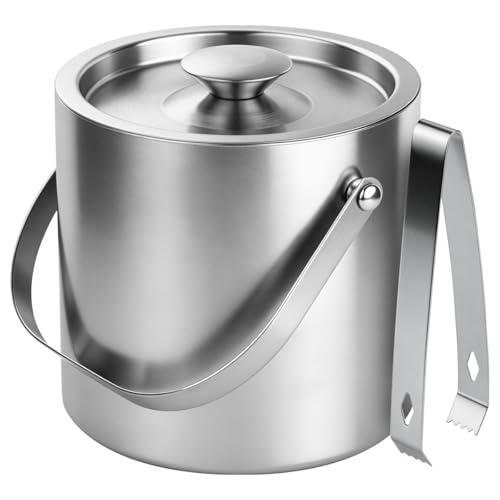
Simple Modern Vacuum Insulated Ice Bucket (100 oz, lid + scoop)
A published vacuum-insulated stainless bucket with a lid and a scoop at a published 100 ounces - the same engineering as the YETI, at a fraction of the price.
Wanting the YETI's actual specification rather than its badge
$44.9922% offPrice as of November 22, 2026·#addisclosure
3
Best complete kit
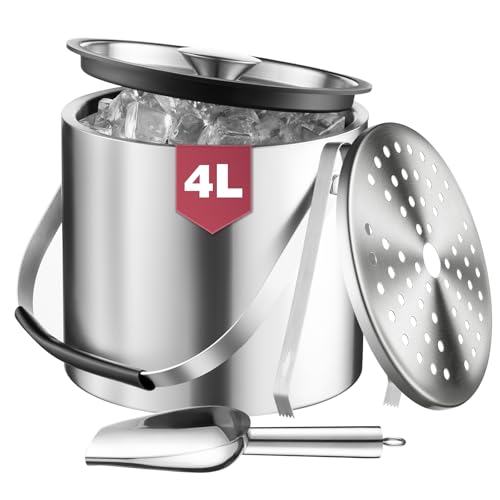
FrutPunch 4L Ice Bucket with Strainer, Scoop & Tongs
A published 4-litre bucket that arrives with a strainer insert, a scoop and tongs - everything a bar bucket needs, for less than the YETI's lid is worth.
Buying the bucket, the strainer, the scoop and the tongs once
$39.9920% offPrice as of November 22, 2026·#addisclosure
Simple Modern Vacuum Insulated Ice Bucket (100 oz, lid + scoop)
A published vacuum-insulated stainless bucket with a lid and a scoop at a published 100 ounces - the same engineering as the YETI, at a fraction of the price.
Insulation
Double-wall vacuum (published)
Capacity
100 oz (published)
Included
Lid and scoop
Material
Stainless steel
Pros
Published double-wall vacuum insulation, which is the one feature that actually separates an expensive ice bucket from a cheap one
A published 100-ounce capacity, so you can compare it to anything else rather than guessing from a photograph
Lid and scoop in the box - the lid is most of the insulation in practice, and the scoop is the part that otherwise gets bought later
Simple Modern's whole catalogue is vacuum-insulated drinkware, so this is their core competence rather than a one-off product
Cons
Powder-coat finishes on this kind of bucket chip at the rim where the lid seats, and the chips show
No tongs, so serving ice means the scoop or your hands
The lid is a cover rather than a seal, so it will not stop a knocked bucket spilling
Still a premium-priced ice bucket against the plain stainless options further down this page
Best for: Wanting the YETI's actual specification rather than its badge.
$27.9920% offPrice as of November 22, 2026·#addisclosure
FrutPunch 4L Ice Bucket with Strainer, Scoop & Tongs
A published 4-litre bucket that arrives with a strainer insert, a scoop and tongs - everything a bar bucket needs, for less than the YETI's lid is worth.
Capacity
4 L (published)
Included
Strainer, scoop, tongs
Material
Stainless steel
Insulation
Double-wall
Pros
A strainer insert is the feature nobody shops for and everybody needs - it keeps the ice out of the meltwater, which is what actually makes the last cubes last
Scoop and tongs included, so the bucket is finished on arrival rather than after two more orders
A published 4-litre capacity, roughly 135 ounces, is the largest on this page
Cheap enough to be the second bucket for a party rather than the only bucket you own
Cons
Double-wall rather than published vacuum insulation, so it will not hold ice as long as the Simple Modern
No lid, and the open top is the largest heat path into any bucket of ice
A four-piece set means four things to store and three things to lose
Thin-gauge stainless dents more easily than the heavier buckets here
Best for: Buying the bucket, the strainer, the scoop and the tongs once.
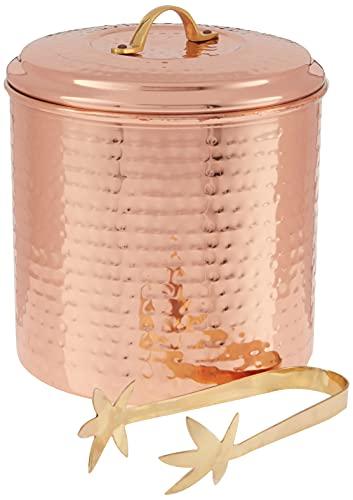
A 3-quart solid copper bucket - the one pick here people actually comment on, and the opposite trade from the YETI: looks first, insulation second.
Material
Copper (published)
Capacity
3 qt (published)
Shape
Classic with side handles
Insulation
None published
Pros
Solid copper patinates rather than wearing out, so it looks better after five years than it does new - the opposite of a powder-coated bucket
A published 3-quart capacity, about 96 ounces, which is a sensible single-party volume
The right object for a bar cart or a dresser-top bar where the bucket is on display between uses
Old Dutch is a long-standing copperware maker, and this is a catalogue item rather than a trend product
Cons
No published insulation at all - copper conducts heat extremely well, which is exactly wrong for holding ice, so plan on refreshing it during an evening
Copper needs polishing if you want it bright, and the polish is a chore nobody mentions in the listing
No lid, no tongs, no scoop
Costs more than the vacuum-insulated Simple Modern while holding ice for less time - this is a looks purchase and should be made as one
Best for: A bucket that is part of the room rather than a tool.
$45.9917% offPrice as of November 22, 2026·#addisclosure
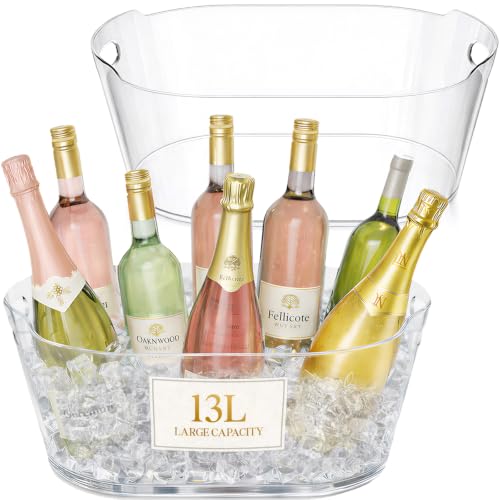
Lifewit 13L Party Ice Tubs (2-pack)
Two 13-litre tubs rather than one bucket - the right answer when the job is chilling bottles for twenty people instead of serving ice at a bar.
Capacity
13 L each (published)
Quantity
2 tubs
Use
Bottles and cans
Form
Collapsible party tub
Pros
13 litres each is roughly four times the YETI's class of capacity, and two of them will hold the drinks for a large party
Two tubs in one order means one for beer and one for wine and mixers, which is how a party actually runs
Collapses for storage, which a rigid stainless bucket does not - a real advantage if the bucket only comes out twice a year
Far cheaper per litre than anything else here
Cons
Not an insulated stainless bucket and not trying to be - this is a different product that solves a different problem
Fabric and liner construction will not survive being dragged across concrete the way the stainless buckets will
No lid, no tongs, no scoop
Wrong for serving ice into a glass at a bar, which is the YETI's actual job
Best for: Bottles and cans for a crowd, not cubes for cocktails.
Skip this
The budget traps that look cheap and cost you twice. We'd skip these.
A vacuum-insulated bucket used with the lid off
The largest heat path into a bucket of ice is the open top, because warm room air sits directly on the ice and convects. A vacuum-insulated bucket with the lid left on the counter is an expensive uninsulated bucket. If the bucket is going to live open on a bar all evening, buy on capacity and looks instead, and put the money into a bigger volume of ice.
Copper or plain single-wall metal for holding ice
Copper is one of the best heat conductors in common use, which is exactly the wrong property here - it moves room heat into your ice efficiently. It is still a legitimate purchase if the bucket is part of the room's look, which is why the Old Dutch is a pick. Just buy it knowing you will be topping it up, and do not pay a thermal price for it.
A bucket with no strainer for cocktail ice
Ice sitting in its own meltwater melts far faster than ice sitting on a strainer above it, because water carries heat into the cube much better than air does. A strainer insert is the cheapest real upgrade to any ice bucket, and the FrutPunch pick includes one. If your bucket has none, a small wire rack in the bottom does the same job.
Is the YETI bucket worth the money?
It depends entirely on which of its three features you are buying. If you want vacuum insulation, no - the Simple Modern publishes the same insulation type with a bigger published capacity and a scoop in the box for a fraction of the price. If you want a bucket that will survive ten summers on a patio, the YETI is genuinely built for that and most of these are not. If you want a YETI on the table, that is a real thing to want and nothing on this page substitutes for it.
The useful way to think about it: the YETI is a hard-use outdoor product that happens to look good indoors. If your bucket lives on a bar cart in a basement and comes out for guests, you are paying for durability you will never test. If it rides in a truck to a lake every weekend, you are not.
Vacuum insulated versus double wall
These two phrases get used interchangeably in listings and they are not the same thing. Double wall means two skins with a gap; vacuum insulated means two skins with the air pumped out of the gap. Air is a poor conductor, which is why double wall helps. A vacuum is a far poorer one, because conduction needs molecules - which is why a vacuum flask keeps coffee hot for hours and a double-wall cup does not.
For ice, the practical difference shows up in two places: how long the cubes last, and how much the outside sweats. A vacuum-insulated bucket stays close to room temperature on the outside and barely condenses; a double-wall bucket sweats, and that condensation is what marks a wooden bar top. Only one pick on this page publishes vacuum insulation, and that is why it ranks first.
How much ice do you actually need?
Plan on one to one and a half pounds of ice per person for an evening if people are drinking spirits with mixers, which is where ice disappears fastest. A 3-quart bucket holds roughly four to five pounds, so it is one bucket for three or four people and a refill. The 13-litre tubs are a different category entirely and are for chilling bottles rather than serving cubes.
If you are refilling a bucket three times an evening, the bucket is not the problem - the ice supply is. A countertop machine makes far more ice per day than a freezer tray and is the real fix; our ice maker for a home bar page covers the machines sized for exactly this, and clear ice makers cover the cubes that look right in a glass.
Our verdict
Buy the Simple Modern if you were buying the YETI for its insulation. Buy the FrutPunch kit if you want the strainer, scoop and tongs settled in one order, the Oggi if you want plain stainless with the largest classic capacity, and the ChefBee if the budget is the brief. Buy the Old Dutch copper or the Kraftware because of how they look, which is a good enough reason as long as you know what you are trading. And buy the Lifewit tubs if the real job is bottles for a crowd.
For the category ranked on absolute merit rather than matched against one product - with the YETI itself included as a pick - our best ice bucket roundup is the page to read next.
Frequently asked questions
What is a good alternative to the YETI Rambler Beverage Bucket?+
The Simple Modern vacuum-insulated ice bucket is the closest match on specification: the listing publishes double-wall vacuum insulation, a 100-ounce capacity, and a lid and scoop in the box, at a fraction of the YETI's price. It will not match the YETI's hard-use outdoor build, but it buys the same insulation type, which is what most of that price is being paid for.
Is the YETI beverage bucket actually insulated?+
Yes - it is a double-wall stainless bucket sold with a lid, and the insulation plus the lid is why it holds ice longer than a single-skin pail. The question is whether that is worth several times the price of another vacuum-insulated bucket, and for indoor bar use the honest answer is usually no.
What is the difference between double wall and vacuum insulated?+
Double wall means two skins with an air gap. Vacuum insulated means the air has been pumped out of that gap. Conduction needs molecules, so removing the air removes most of the heat path - which is why a vacuum flask keeps coffee hot for hours. For an ice bucket it means slower melt and far less sweating on the outside.
How much ice does an ice bucket hold?+
A 3-quart bucket holds roughly four to five pounds of ice, which is one evening for three or four people drinking spirits and mixers. A 4-quart bucket is about a third more. Published capacities on this page range from 3 litres to 13 litres, and the litre and quart figures are close enough that 3 quarts and 3 litres are effectively the same bucket.
Do ice buckets need a lid?+
If you care about melt, yes - the open top is the biggest heat path into a bucket of ice, because warm room air sits straight on the cubes. A lid on a cheap insulated bucket will often beat no lid on an expensive one. If the bucket is going to sit open on a bar all evening anyway, buy on capacity and looks instead.
Why does my ice bucket sweat?+
Because the outer wall is getting cold enough for room humidity to condense on it, which means heat is passing through - the sweat is the insulation failing in visible form. A plain single-wall bucket sweats heavily, double wall sweats some, and a vacuum-insulated bucket barely does. Put any of them on a bar mat if the surface underneath matters.
Prices and availability shown here come from Amazon's live data and change often; we re-verify them regularly. Bar Bumper is an Amazon Associate and earns a commission on qualifying purchases at no extra cost to you. Read our full disclosure.