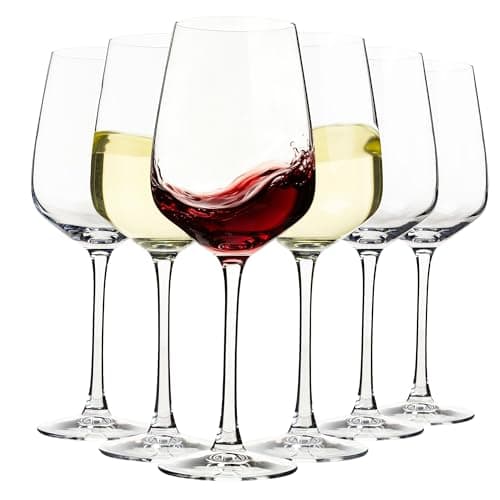
One universal shape serves red, white and sparkling properly. Buy six of those before you buy four each of anything else.
Updated October 2026 · By Stephen V.
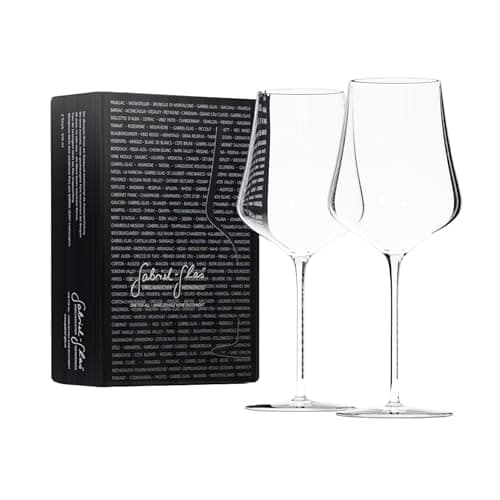
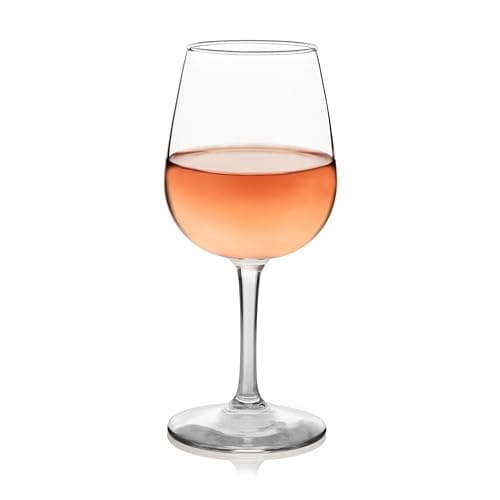
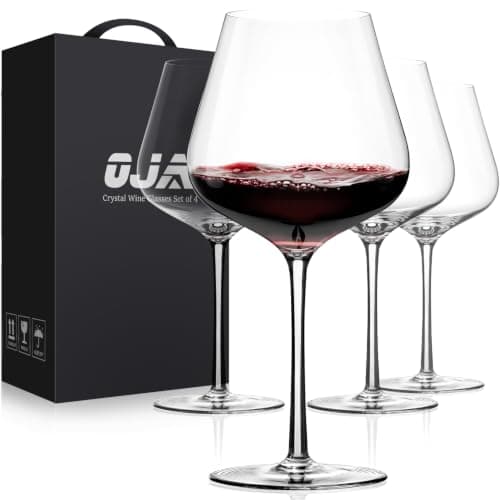
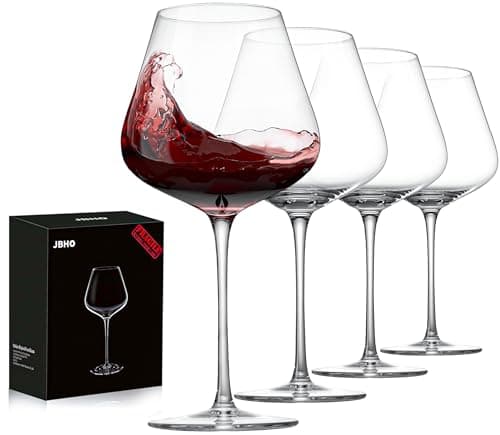
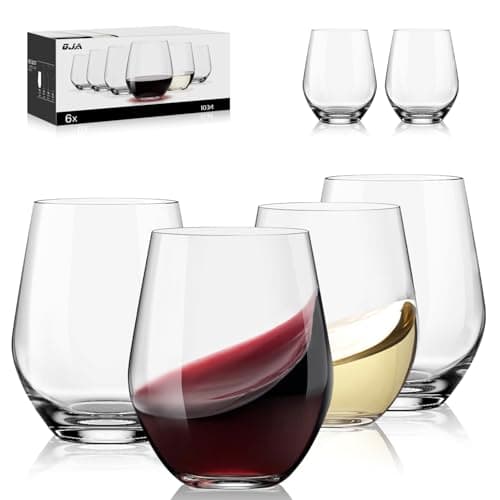
The Gabriel-Glas StandArt is the best wine glass for a home bar, and the Libbey all-purpose set of 12 is the one to own alongside it. The Gabriel-Glas is a single universal shape that handles red, white and sparkling properly, with a thin rim and a bowl large enough to swirl — it is what you pour the good bottle into. The Libbey twelve-pack is the set you hand out at a party without flinching. The OJA hand-blown set of 4 is the value buy, the JBHO Burgundy set of 4 is the one for big reds, and the OJA stemless set of 6 is the right answer outdoors and for a dishwasher.
The single most useful thing to know about wine glasses is that you do not need a varietal glass per grape. A cabinet with Bordeaux, Burgundy, Chardonnay, Riesling and sparkling stemware in it is a shop's business model, not a requirement. One well-made universal glass — a tulip bowl around 15 to 23 oz, with a thin rim and a tapered opening — serves everything a home bar pours, and the difference between that glass and a varietal-specific one is far smaller than the difference between it and a thick-rimmed tumbler.
What does change the drink: bowl volume (you need room to swirl, which means the glass should be roughly a third full with a normal pour), rim thickness (a thin rim gets out of the way, a rolled rim is the one thing people genuinely taste), and the taper at the opening, which concentrates aroma instead of letting it escape. Everything else is preference and budget.
We have not drunk from these glasses. The ranking draws on published bowl volumes, stem and rim construction, materials, set sizes and dishwasher guidance, plus owner-review consensus reported as other people's experience — see how we pick. Prices come live from Amazon with the date we verified them.
The short answer
In a hurry? These are the picks we'd buy. Prices are live; tap a card below for the full reasoning.
Six 15 oz stemmed glasses with a heavy base at the lowest price here — not refined, and perfectly serviceable.
Set size
6
Bowl
15 oz
Base
Heavy
Use
Everyday
Pros
Cheapest set on this page
A heavy base makes them notably harder to tip than thin-footed glasses
Six of them, so a dinner party is covered
No reason to be precious about them
Cons
Thickest rim here
Pressed rather than blown, so the glass is heavier in the hand
A 15 oz bowl limits how much you can swirl
Best for: A first set, or glasses you expect to lose.
Skip this
The budget traps that look cheap and cost you twice. We'd skip these.
A varietal glass for every grape
Bordeaux, Chardonnay, Riesling, Burgundy and sparkling stemware in one cabinet is five shapes doing a job one universal glass does nearly as well. Buy six universal glasses and, if you drink a lot of delicate reds, add four Burgundy glasses. That is the whole cabinet, and the money saved buys a far better universal glass.
Thick rolled rims
A rolled rim is a reinforced lip that makes a glass cheaper to make and more survivable, and it is the one feature people genuinely notice drinking from. If a glass is going to be the one you use for a bottle you cared about, pay for a cut or thin rim. Keep the rolled rims for the party set.
Tiny bowls on long stems
A glass that looks elegant and holds 8 oz cannot be swirled, because a normal 5 oz pour fills it. Aroma needs headspace. Any glass meant for actual wine drinking wants to be about a third full with a standard pour, which means 15 oz as a minimum and 20-plus for reds.
How to choose (and what to skip)
Buy universal first, varietal never (or almost)
A tulip bowl of 15 to 23 oz with a tapered opening handles red, white and sparkling well enough that the compromise is invisible at home. The exception worth making is a wide Burgundy bowl for delicate reds, where the extra surface area does something you can taste. Two shapes is a complete wine cabinet; five is a collection.
Judge bowl volume by the pour, not the number
A standard pour is about 5 oz, and a glass works properly when that pour fills roughly a third of the bowl. That puts the useful range at 15 oz and up for whites and 20 oz and up for reds. Smaller glasses cannot be swirled and trap no aroma; much larger ones are awkward to store and to wash.
Rim thickness is the spec you taste
A thin, cut rim lets the wine arrive on the tongue without the glass announcing itself. A thick rolled rim is a lip of reinforced glass you feel on every sip. This is the one place where price buys a difference you can actually perceive, which is why it is worth owning two good glasses even if the rest of the cabinet is pressed glass.
Decide the dishwasher question before you buy
Thin-stemmed crystal in a dishwasher basket is the commonest way wine glasses break — the stem flexes, the bowl knocks something, and that is that. If everything in your house goes in the machine, buy stemless or buy sturdy stemmed glasses from a commercial maker and accept the thicker rim. Owning two hand-washed good glasses plus a dishwasher-safe set is the sensible compromise.
Set size: six for a household, twelve to entertain
Two is a gift or a pair for the good bottle. Four suits a couple who have friends over. Six is the practical household number. Twelve is what you need if you actually host, and a twelve-pack of commercial glassware costs less than a pair of crystal. Most home bars want a twelve-pack and a pair, not six of something in the middle.
What a wine glass actually changes
Three things, in order. Headspace — the volume of air above the wine is where aroma collects, and most of what we call taste is smell. A bowl you can swirl in without spilling fills that space; a small bowl does not. The taper — a bowl that narrows toward the rim concentrates that aroma and delivers it under your nose. A straight-sided glass lets it escape sideways. The rim — thin gets out of the way; thick does not.
The stem matters less than it is given credit for, with one real function: it keeps a warm hand off a cold bowl. For white wine and sparkling that is worth something; for a red served at cellar temperature it is close to irrelevant, which is why stemless glasses work better than purists admit.
Why one universal glass beats five varietal shapes
Varietal stemware is real engineering — a Burgundy bowl genuinely does something a Bordeaux bowl does not. But the differences between well-made varietal glasses are small compared with the difference between any of them and a thick-rimmed tumbler. At home, the glass you reach for most will be whichever one is clean, and five shapes mean five half-empty shelves and more breakage.
So the efficient cabinet is: a dozen durable all-purpose glasses for serving people, a pair of very good universal glasses for the bottle you care about, and — only if you drink a lot of pinot noir or nebbiolo — four Burgundy glasses. That is it. The money not spent on three more shapes buys a better glass in the two categories you will actually use.
Stemless, and when it is the right answer
Stemless glasses are the correct choice in three situations and not snobbery in any of them. Outdoors: a lower centre of gravity on a patio table or a bar cart is worth more than any aromatic refinement. In a dishwasher household: no stem means nothing to snap. With people who put glasses down carelessly: which is most people, late in an evening.
The real cost is temperature. A hand wrapped round the bowl warms a chilled white measurably within a few minutes, which is why stemless is better for reds than whites. If you mostly drink white, buy stems. If you mostly drink red and break things, buy stemless and do not feel bad about it.
Where wine glasses sit in a home bar
Glassware is stage two of six in our home bar accessories and essentials order, right after the tools — because the glass is half of what makes a drink feel like a drink, and it costs almost nothing compared with the furniture. Four shapes cover a complete bar: a rocks glass, a coupe or martini glass, a highball, and a universal wine glass. Our glassware guide covers the full set.
Store wine glasses upside down on a stemware rail if you have one — it uses dead space under a shelf, keeps the bowls dust-free and stops the rims chipping against each other. A bar cabinet with integrated stemware racks is the cheapest way to get that, and if the wine itself needs keeping rather than serving, that is a job for a wine fridge, not a cupboard.
Frequently asked questions
What are the best wine glasses to buy?+
For the one glass to own, a universal crystal glass like the Gabriel-Glas StandArt — a thin rim and a bowl big enough to swirl, handling red, white and sparkling. For everyday serving, a twelve-pack of commercial all-purpose glasses such as Libbey's. Owning both is better than owning six of something in between.
Do you need different wine glasses for red and white?+
Not at home. A universal tulip bowl of 15 to 23 oz with a tapered rim serves both properly, and the difference between it and a varietal-specific glass is far smaller than the difference between it and a thick-rimmed tumbler. The one varietal shape worth adding is a wide Burgundy bowl for delicate reds.
How big should a wine glass be?+
Big enough that a standard 5 oz pour fills about a third of the bowl, which means 15 oz and up for white and 20 oz and up for red. Below that there is no headspace for aroma to collect and the wine cannot be swirled without spilling. Much above 25 oz and storage and washing get awkward.
Are stemless wine glasses actually worse?+
Only for chilled wine. The stem's one real job is keeping a warm hand off a cold bowl, so stemless costs you temperature on whites and sparkling and almost nothing on reds. In exchange you get no stem to snap, dishwasher compatibility and a glass that is much harder to knock over.
Can wine glasses go in the dishwasher?+
Sturdy commercial stemware and stemless glasses, yes. Thin-stemmed crystal is where glasses break — the stem flexes in the basket and the bowl knocks something. The practical household answer is a dishwasher-safe set for everyday use plus two good glasses that get hand washed.
Prices and availability shown here come from Amazon's live data and change often; we re-verify them regularly. Bar Bumper is an Amazon Associate and earns a commission on qualifying purchases at no extra cost to you. Read our full disclosure.