Cloudy ice is trapped air. Clear ice comes from freezing water in one direction, which is why a countertop machine makes it and your freezer tray never will.
Updated October 2026 · By Stephen V.
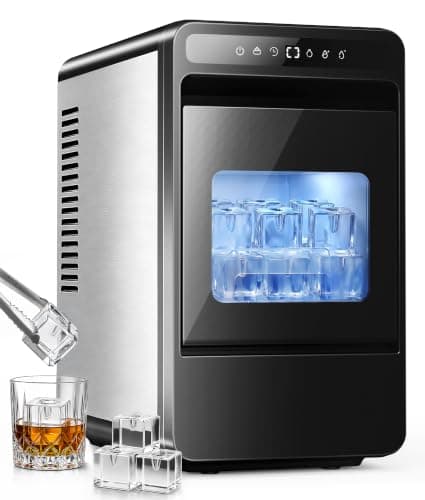
For a home bar that pours spirits, the clear ice maker to buy is the Oylus 1.6-in Clear Cube Countertop Ice Maker: it makes genuinely clear, solid cubes at a size that suits a rocks glass, and it does it on a countertop with no plumbing. If you only need a handful of cubes a week, skip the machine entirely and buy a directional-freezing tray for a small fraction of the price.
The reason your freezer ice is cloudy is worth understanding before you spend anything, because it explains what you are buying. Water in a plastic tray freezes inward from every surface at once. Dissolved air and minerals cannot escape, so they get driven into the last part to freeze — the center — where they form the white cloud you see. Freeze the same water in one direction only, slowly, and the air is pushed ahead of the ice front and out, leaving the frozen part clear.
That is the whole trick, and there are exactly two ways to buy it. A countertop clear ice machine builds ice in layers on a chilled surface with water flowing over it, which is the same principle commercial cube machines have used for decades. A directional-freezing tray is an insulated box that forces your own freezer to freeze from the top down, and you cut the cloudy base off. The machine gives you volume on demand; the tray gives you a few perfect cubes for almost nothing.
Clear ice is not just cosmetic, but the reason it performs better is size and density rather than clarity itself: a single large, dense cube has far less surface area for the volume of water in it than six small wet ones, so it melts slower and dilutes a drink less. If you want chewable soda ice instead, you want a nugget machine and this is the wrong page. Prices below come live from Amazon with the date we checked them.
The short answer
In a hurry? These are the picks we'd buy. Prices are live; tap a card below for the full reasoning.
$37.9920% offPrice as of October 17, 2026·#addisclosure
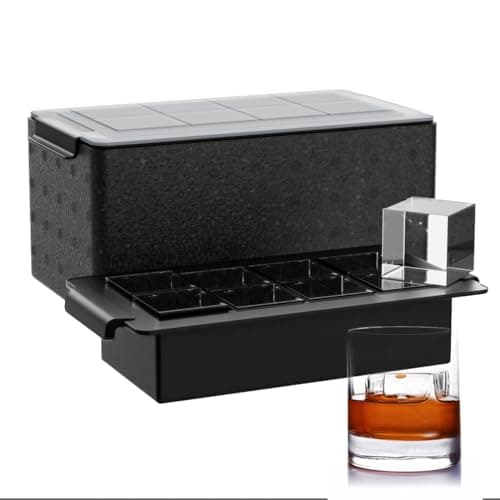
FDDBI 2-in Clear Ice Cube Tray
A directional-freezing tray that makes 2-inch clear cubes in your own freezer — the right purchase if you drink whiskey rather than host parties.
Ice type
Clear cube, 2 in
Method
Directional freezing
Needs
A freezer and about 24 hours
Plumbing
None
Pros
A small fraction of the price of the machines, and the ice is just as clear
2-inch cubes are larger than any countertop machine here makes
Ice lives in your freezer, so it does not melt back overnight
No motor, no reservoir, nothing to descale
Cons
Makes a handful of cubes per cycle, not a bin full — useless for a party
Takes most of a day per batch and uses freezer space
You cut and discard the cloudy base of each block, which wastes some water
Best for: A few large clear cubes a week, for spirits only.
Skip this
The budget traps that look cheap and cost you twice. We'd skip these.
A bullet-ice countertop machine bought expecting clear ice
The cheap countertop machines that make ice in nine minutes produce <strong>bullet ice</strong> — hollow, cloudy cylinders formed on chilled prongs. They are genuinely useful for coolers, sodas and filling a glass fast, and we recommend them on our <a href="/ice-makers/best-cheap-ice-maker">budget ice maker page</a>. But they are not clear ice machines and no setting makes them one. If the listing does not say clear or gourmet cube, assume bullet ice.
Boiling the water twice, and the rest of the internet's advice
Boiling water does remove some dissolved gas, and it makes freezer-tray ice slightly less cloudy. It does not make it clear, because the cloud is mostly a product of <em>which direction the ice freezes</em> and not only of how much air is dissolved. Using distilled water has the same marginal effect for the same reason. If you want clear ice from a freezer, you need to control the direction of freezing — which is exactly what an insulated directional tray does.
How to choose (and what to skip)
Decide between a machine and a tray on volume, not quality
Both routes produce ice that is genuinely clear. The only real difference is throughput. A tray gives you a handful of cubes about 24 hours after you fill it; a machine gives you a bin of cubes an hour or two after switching it on, repeatedly. If you pour two whiskeys an evening, the tray is the better purchase and the money saved buys a decent bottle. If you host, or you make cocktails for four people, buy the machine.
Cube size matters more than you expect
A 1.6-inch cube is about half the volume of a 2-inch cube, and a 2-inch cube is roughly the biggest thing that fits comfortably in a standard rocks glass. Larger is better for slow sipping and worse for shaking, because a big cube does not break and chill a shaken drink efficiently. The practical answer for a home bar is large clear cubes for spirits and a separate supply of small ice for shaking and for soda.
Countertop machines store ice in a bin, not a freezer
This is the category's most common disappointment and it applies to clear ice machines exactly as it does to nugget machines. The bin is insulated, not refrigerated, so ice made in the evening is water by morning. Our page on <a href="/ice-makers/ice-maker-that-keeps-ice-frozen">ice makers that keep ice frozen</a> covers the two real fixes: transfer ice to the freezer as it is made, or buy an undercounter machine with a freezer-grade bin.
Filter the water if yours is hard
Clear ice shows up everything in your water, because there is no cloud to hide it. Hard water leaves a faint white haze and a visible mineral film in the machine's reservoir within weeks. A simple filter jug of water poured into the reservoir is enough; distilled water is not necessary and does not improve clarity on its own. Whatever you use, descale the machine on the maker's schedule — mineral scale slows ice production long before it affects taste.
If you want clear ice plumbed in, you are buying a different machine
Built-in undercounter ice makers use the same flowing-water principle and produce clear cubes with a freezer-grade bin and a drain, which is the setup a serious home bar ends up with. That is a plumbing and cabinetry job rather than a countertop purchase, and it costs several times as much — our <a href="/ice-makers/best-undercounter-ice-maker">undercounter ice maker roundup</a> is the page for that decision.
Why freezer ice is cloudy, in one paragraph
Tap water holds dissolved air and minerals. When a tray of it freezes in a domestic freezer, it freezes from every exposed surface inward at roughly the same rate, and the ice front traps the air and minerals ahead of it as it advances. The last region to freeze is the middle, so that is where everything ends up — as microscopic bubbles that scatter light and read as white. Freeze the same water from one face only and the ice front has somewhere to push the impurities: into the still-liquid water below, and eventually out of the part you keep.
How countertop clear ice machines actually work
They do not freeze a tray. Water is pumped continuously over a chilled plate or into chilled molds, and ice forms in thin layers while the moving water carries dissolved air away rather than letting it be trapped. Because each layer freezes against flowing water, the result is clear and dense throughout. This is why clear ice machines are slower than bullet-ice machines: the hollow bullet is fast precisely because it freezes a thin shell around a prong and does not care what is in the middle. If you want to understand the whole category first, our guide to the best ice makers compares all three ice types side by side.
Clear ice, nugget ice and bullet ice: which drink wants which
Clear cubes are for spirits and for stirred cocktails served over ice — anything you sip slowly and do not want watered down. Nugget ice is for sodas, iced tea, cold brew and anything you want to chew; it chills instantly and dilutes fast, which is the point. Bullet ice is for volume: coolers, pitchers, filling a glass before guests arrive. A home bar that makes cocktails realistically wants two of the three, and the cheapest way to own two is a nugget or bullet machine for volume plus a directional tray for the two or three large cubes a whiskey session needs. Our nugget versus cube explainer goes into the dilution math.
How to use a directional-freezing tray properly
The tray is an insulated container with a water chamber in the top and an open reservoir below. You fill it, put it in the freezer, and because the sides and base are insulated, the only place heat can leave is the top — so the ice front travels downward. Air and minerals get pushed down into the reservoir water, which freezes last and freezes cloudy. After about 24 hours you lift out the clear block, discard or rinse the cloudy base, and cut or break it into cubes. Two practical notes: do not fill above the line, because a full chamber will crack as the ice expands, and run the block under cold water for a few seconds before cutting so it does not shatter unpredictably.
What clear ice does and does not do for a drink
It looks better, and that is a legitimate reason to want it on a home bar. The functional benefit is real but often mis-stated: a single large cube melts more slowly than the same mass of small cubes because it has much less surface area in contact with the liquid, and because clear ice contains almost no air pockets it is denser and structurally sound rather than crumbling as it melts. It does not make a drink colder — ice at a given temperature is ice. And it does not change the taste, unless your freezer tray ice was picking up odors from the freezer, which is a different problem that clear ice happens to solve by living somewhere else.
Our verdict
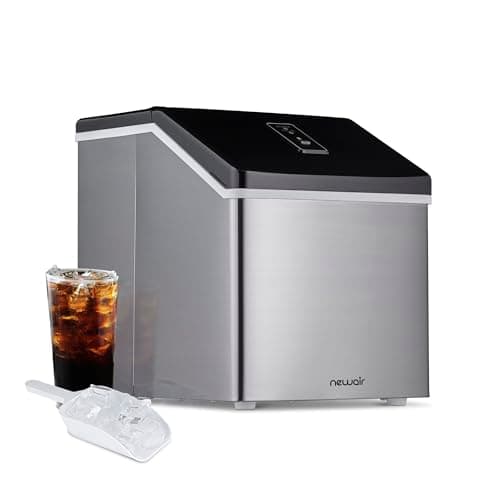
Buy the directional tray first. It costs very little, it makes the biggest cubes on this page, and for most home bars it turns out to be all that was needed — a point our whiskey glasses page makes about the same spirit. If the tray is working but you keep running out, step up to the Oylus countertop machine, which gives you clear cubes on demand for a fraction of what a plumbed undercounter unit costs. The Newair is the same purchase with a brand and a support line attached, and it is worth it only if that matters to you.
Frequently asked questions
Why is my ice cloudy and how do I make it clear?+
Cloudy ice is trapped air and minerals. Water in a freezer tray freezes inward from all sides at once, so dissolved air is driven into the center where it forms a white cloud. Freezing in one direction only — which is what a directional-freezing tray or a countertop clear ice machine does — pushes the air out ahead of the ice front and leaves the ice clear.
Does boiling water make clear ice?+
Not really. Boiling removes some dissolved gas and makes freezer ice marginally less cloudy, but the cloud is mostly caused by the direction ice freezes in rather than by how much air is dissolved. The same is true of distilled water. To get genuinely clear ice you have to control the freezing direction.
Do clear ice makers need a water line?+
Countertop clear ice machines do not — you fill a reservoir by hand, the same as any countertop ice maker. Built-in undercounter machines, which also make clear cubes, generally need both a water supply and a drain. That is the main practical difference between the two categories.
Does clear ice melt slower than cloudy ice?+
A large clear cube melts much slower than the same mass of small freezer cubes, mostly because it has far less surface area touching the drink. Clear ice is also denser and holds together as it melts instead of crumbling. Clarity itself is not the mechanism — size and density are.
What size clear ice cube is best for whiskey?+
Around 2 inches. That is about the largest cube that sits comfortably in a standard rocks glass, and it melts slowly enough to keep a drink cold for a long sip without watering it. A 1.6-inch cube is the practical machine size and two of them fit a rocks glass.
Is a clear ice maker worth it?+
If you pour spirits or stirred cocktails over ice regularly, yes — but try a directional-freezing tray first. It costs a fraction of a machine and makes bigger cubes. Buy the machine when you find you are running out of tray ice, or when you need clear ice for more than two or three drinks at a time.
Will a clear ice machine keep the ice frozen?+
No. Countertop machines of every type store ice in an insulated bin rather than a freezer, so a bin made in the evening will be water by morning. Transfer the ice to your freezer as it is made, or buy an undercounter machine with a freezer-grade bin if you need ice to keep.
Prices and availability shown here come from Amazon's live data and change often; we re-verify them regularly. Bar Bumper is an Amazon Associate and earns a commission on qualifying purchases at no extra cost to you. Read our full disclosure.