Written for someone whose last ice maker died. What actually breaks these machines, the six that are built to avoid it, and the honest limits of any reliability claim.
Updated October 2026 · By Stephen V.
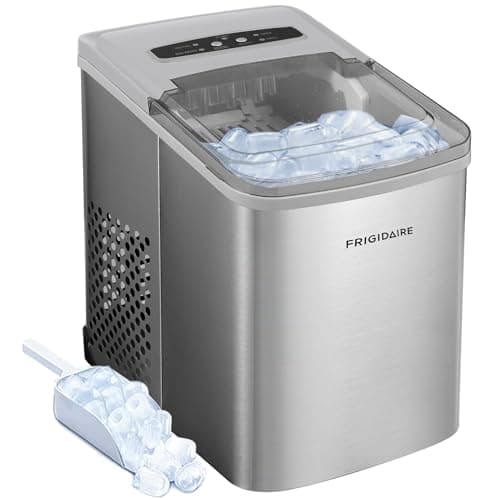
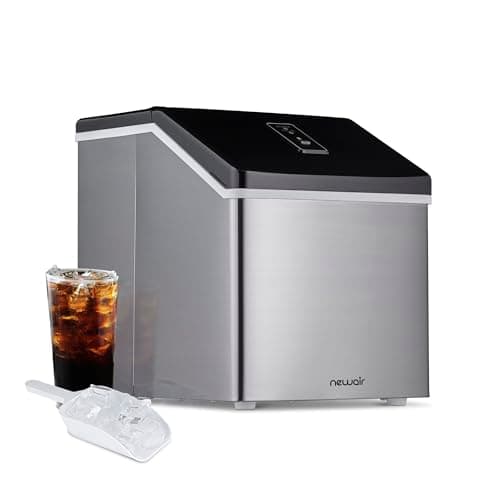
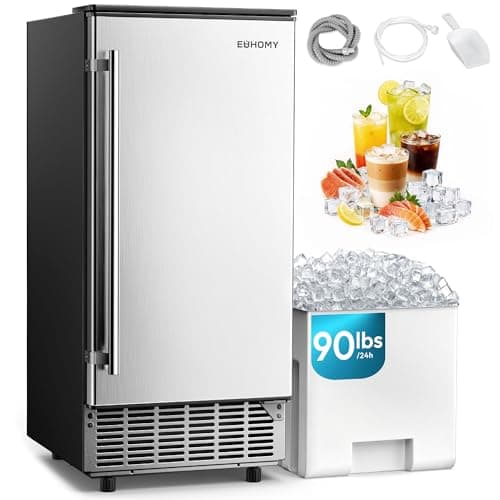
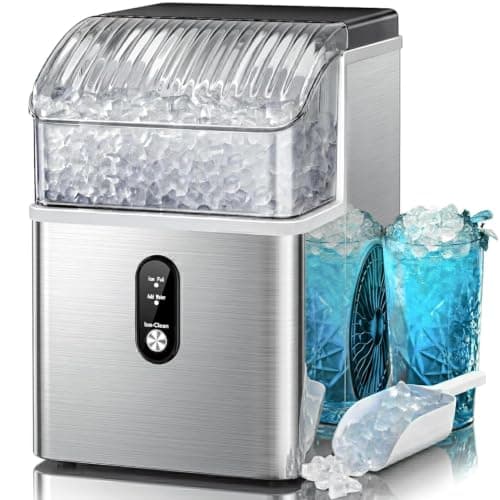
If you want a countertop ice maker that keeps working, the Frigidaire stainless compact is the one to buy: it uses the simplest mechanism in the category — chilled fingers and a small pump, with no auger — in a metal shell, from a brand that still answers the phone about parts. If it has to be nugget ice, the GE Profile Opal Ultra is the most supported machine in that category; the Newair clear-ice maker is the pick for clear cubes; and the EUHOMY undercounter is the step up to a plumbed machine.
First, an honest caveat, because this is a page about reliability and that word gets abused. We do not have failure-rate data for these machines, and nobody publishes it. There are no published MTBF figures, no manufacturer reliability statistics and no independent long-term teardown testing for countertop ice makers. Anyone presenting a reliability ranking as measured fact is making it up.
What can be assessed honestly are the things that cause failures. Mechanism complexity: fewer moving parts means fewer things to break, and a bullet-cube machine has meaningfully fewer than a nugget machine with a motorized auger. Scale resistance: whether the machine has a self-cleaning cycle, because mineral scale is the leading cause of death. Build: metal shells and serviceable panels versus glued plastic. Brand support: whether parts and warranty service will exist in three years. This page ranks on those four, and says so.
The uncomfortable truth underneath all of it: maintenance decides more than the machine does. A descaled mid-range machine routinely outlasts a neglected premium one, because scale on the evaporator is what stops ice production in almost every case. See how we pick for the method. Prices come live from Amazon with the date we verified them.
The short answer
In a hurry? These are the picks we'd buy. Prices are live; tap a card below for the full reasoning.
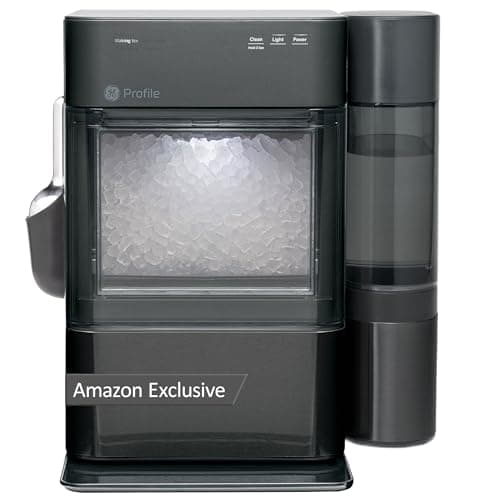
The nugget machine with an actual service ecosystem — filters, cleaning kits and replacement parts you can still buy, which no marketplace-label nugget maker offers.
Nugget ice from the only brand with real support behind it
The nugget machine with an actual service ecosystem — filters, cleaning kits and replacement parts you can still buy, which no marketplace-label nugget maker offers.
Mechanism
Auger nugget
Brand
GE Profile
Support
Filters and parts available
Type
Countertop
Pros
GE Profile parts, filters and cleaning supplies are genuinely purchasable years later
Side-tank and cleaning design built around the known failure mode
The reference machine in nugget ice — serviceable rather than disposable
Supports a water line, which removes the refilling that wears people out
Cons
An auger and gearmotor are inherently more to go wrong than a bullet machine
The most expensive countertop machine here by a wide margin
Needs its cleaning cycle run on schedule or scale wins anyway
Best for: Nugget ice from the only brand with real support behind it.
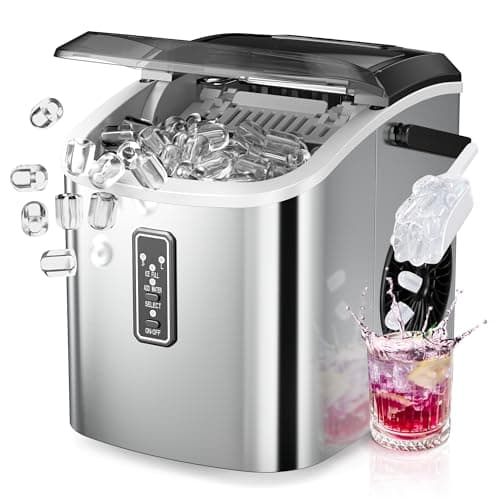
35 lb a day of nugget ice in a stainless cabinet at a budget price — the best-built cheap nugget machine, with the usual auger caveat.
Mechanism
Auger nugget
Shell
Stainless steel
Output
35 lb / 24h
Type
Countertop
Pros
Stainless shell at a price where everything else is plastic
Solid output for the money
Wipes down properly, which matters for a machine handling water daily
Much cheaper entry to nugget ice than the GE
Cons
Auger and gearmotor are the components most likely to fail
Budget-brand parts support is the weak point in a reliability argument
No self-cleaning cycle listed
Best for: Nugget ice in metal rather than plastic, cheaply.
Skip this
The budget traps that look cheap and cost you twice. We'd skip these.
Any reliability ranking presented as measured data
There is no published failure-rate data for countertop ice makers — no MTBF figures, no manufacturer statistics, no independent long-term testing. Pages that rank machines by reliability percentages or "tested over 2 years" claims are inventing the numbers. The honest assessment uses proxies: mechanism complexity, build materials, self-cleaning and whether the brand will still sell you a part. That is what this page does, and it is the most anyone can legitimately offer.
Blaming the machine for what hard water did
The overwhelming majority of "my ice maker stopped making ice" failures are mineral scale on the evaporator, not a broken component. In a hard-water area that can happen within months. Scale is reversible with a proper descaling cleaner and preventable by descaling on a schedule, which means a cheap machine that is maintained beats an expensive one that is not. If your last machine died, this is statistically the most likely reason.
How to choose (and what to skip)
Prefer the simplest mechanism that makes the ice you want
A bullet-cube machine chills metal fingers and pumps water over them — a compressor, a pump and a small motor. A nugget machine adds an auger and a gearmotor turning continuously under load, which are the components that fail. A clear-ice machine runs longer, more complex cycles. If you genuinely do not mind which ice you get, buy bullet and you have bought the most durable design in the category.
Insist on a self-cleaning cycle, then descale anyway
Scale is the leading cause of failure, so a self-cleaning cycle is the most valuable reliability feature available. It is not a substitute for descaling with a proper ice machine cleaner every one to two months depending on water hardness. The cycle keeps the machine working between descales; the descaling is what prevents the failure.
Buy the brand that will sell you a part
This is what separates a machine you can keep from a machine you replace. Frigidaire, GE, Newair and the other established names stock filters, pumps and panels and have warranty departments. Marketplace labels disappear, and when they do, a failed pump turns a working machine into landfill. On an appliance handling water daily, that distinction is worth real money.
Never leave standing water in the reservoir
This single habit does more for the life of a countertop machine than any purchase decision. Standing water scales the tank, grows biofilm and produces the musty smell that is the second most common complaint in the category. Empty the reservoir when you finish making ice, and leave the lid open to dry.
Consider going plumbed if you use it daily
A plumbed machine draws fresh water on demand rather than recirculating from a tank, which removes both the standing-water problem and the refill cycle. For heavy daily use it is the single biggest durability upgrade available — see our <a href="/ice-makers/best-undercounter-ice-maker">undercounter ice maker roundup</a> and the <a href="/ice-makers/best-undercounter-nugget-ice-maker">undercounter nugget options</a> for plumbed machines.
What actually kills ice makers
In rough order of how often it happens. Mineral scale on the evaporator fingers or the auger housing: output drops gradually, then stops. This is reversible and preventable, and it is the leading cause by a wide margin. Water pump failure, usually a consequence of scale and debris in the water path. The auger gearmotor, on nugget machines only — it turns continuously under load and is the component that makes nugget machines inherently less durable. Fan and compressor problems, which are genuine but much rarer. And the water level sensor, which fouls with biofilm and makes the machine behave as though the tank is empty or full when it is not. Notice that the first, second and fifth are all water-quality problems rather than build-quality problems.
Why bullet machines last longest
Count the moving parts. A bullet-cube machine has a compressor, a small water pump and a mechanism to harvest the cubes — often nothing more than a brief reversal of the refrigerant cycle so the ice releases by itself. A nugget machine has all of that plus an auger turning inside a chilled cylinder, driven by a gearmotor, working against the resistance of compacting ice, every minute the machine runs. That auger assembly is the single most loaded component in any countertop ice maker, and it is why the nugget category has a reputation the bullet category does not. If durability is your first priority and you can live with bullet cubes, the decision is already made.
The maintenance that decides the outcome
Three habits, and they matter more than which machine you buy. Descale every one to two months with a proper ice machine cleaner — not vinegar, which is weak and leaves a smell, and never bleach. Empty the reservoir after each session rather than leaving water standing in it, and leave the lid open so the inside dries. Use filtered water if your supply is hard; it slows scale formation more than anything else you can do. A mid-range machine treated this way will comfortably outlive a premium machine that is filled, run and forgotten, which is the most useful thing on this page.
What a warranty is actually worth
Read it for the exclusions rather than the length. Most ice maker warranties exclude damage from scale and hard water, which is the failure you are most likely to have — so a two-year warranty may not cover the thing that actually goes wrong. What matters more is whether the company sells parts at all, because a pump or a fan is a modest, fitted repair on a machine you can get parts for and a total loss on one you cannot. That is the practical reason brand appears in every scorecard on this page.
When reliability points to a plumbed machine
If you make ice every day, the most durable choice is not a better countertop machine — it is a plumbed one. A machine on a water line draws fresh water each cycle instead of recirculating warm water from a tank, which removes the standing-water problem, the biofilm, and the sensor fouling that follows. It also drains continuously rather than melting ice back into the reservoir to be remade, so the compressor does far less redundant work. That is a real durability argument, not a luxury one, and it is why heavy users end up undercounter eventually. Our main ice maker roundup covers the full range if you are still deciding which type you want.
Reliability in a vehicle
A machine that travels has a harder life than one on a kitchen counter: it vibrates, the water source changes from trip to trip, and the tank gets emptied constantly. Our RV and camper ice maker picks cover the 12 V machines built for that, and the one habit — draining before every drive — that decides whether one survives a season.
Frequently asked questions
What is the most reliable ice maker?+
For a countertop machine, the Frigidaire stainless compact — it uses the simplest mechanism in the category, with no auger to fail, in a metal shell from a brand that still supplies parts. For nugget ice, the GE Profile Opal Ultra is the most supported machine, with filters and spares genuinely available years later.
What usually makes an ice maker stop working?+
Mineral scale on the evaporator, by a wide margin. Scale builds up, ice production drops, and eventually it stops — and in a hard-water area that can happen within months. It is both preventable and reversible with a proper descaling cleaner, which is why maintenance affects lifespan more than which machine you bought.
Are nugget ice makers less reliable than cube machines?+
Mechanically, yes. A nugget machine adds an auger and a gearmotor that turn continuously against the resistance of compacting ice — the most heavily loaded component in any countertop ice maker. A bullet-cube machine has a compressor, a pump and a simple harvest cycle. If durability is the priority and you can accept bullet cubes, that is the more robust design.
Is there real reliability data for ice makers?+
No. There are no published failure-rate or MTBF figures, no manufacturer reliability statistics and no independent long-term testing for countertop ice makers. Any ranking presented as measured reliability is invented. The honest approach assesses mechanism complexity, build materials, self-cleaning features and whether the brand sells spare parts.
How do you make an ice maker last longer?+
Descale every one to two months with a proper ice machine cleaner — not vinegar and never bleach. Empty the reservoir after each session instead of leaving standing water in it, and leave the lid open to dry. Use filtered water if your supply is hard. These three habits matter more than which machine you buy.
Does a plumbed ice maker last longer than a countertop one?+
Generally yes, and for a structural reason: it draws fresh water each cycle instead of recirculating warm water from a tank, which removes the standing water, biofilm and sensor fouling that shorten countertop lives. It also drains rather than remelting its own ice, so the compressor does much less redundant work.
Prices and availability shown here come from Amazon's live data and change often; we re-verify them regularly. Bar Bumper is an Amazon Associate and earns a commission on qualifying purchases at no extra cost to you. Read our full disclosure.