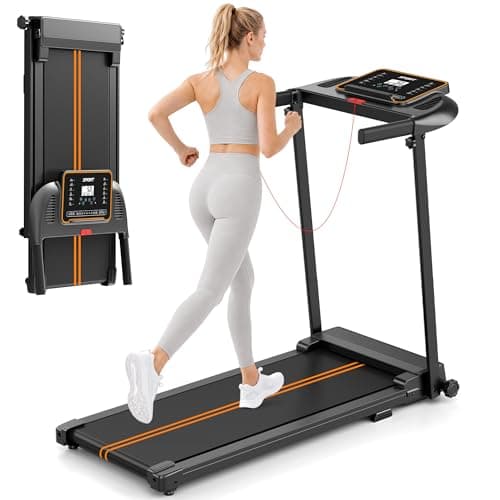
Best budget treadmill
Best budget treadmill: walking pad vs folding treadmill
The walk-vs-run decision that saves you from a treadmill you never use, with two picks that fit real budgets.
Updated July 2026 · Stephen V.
Our top pick
Treadmills, rowers and bikes that fit a real budget and a real room. What a cheap motor gets you, and where spending a little more pays off.
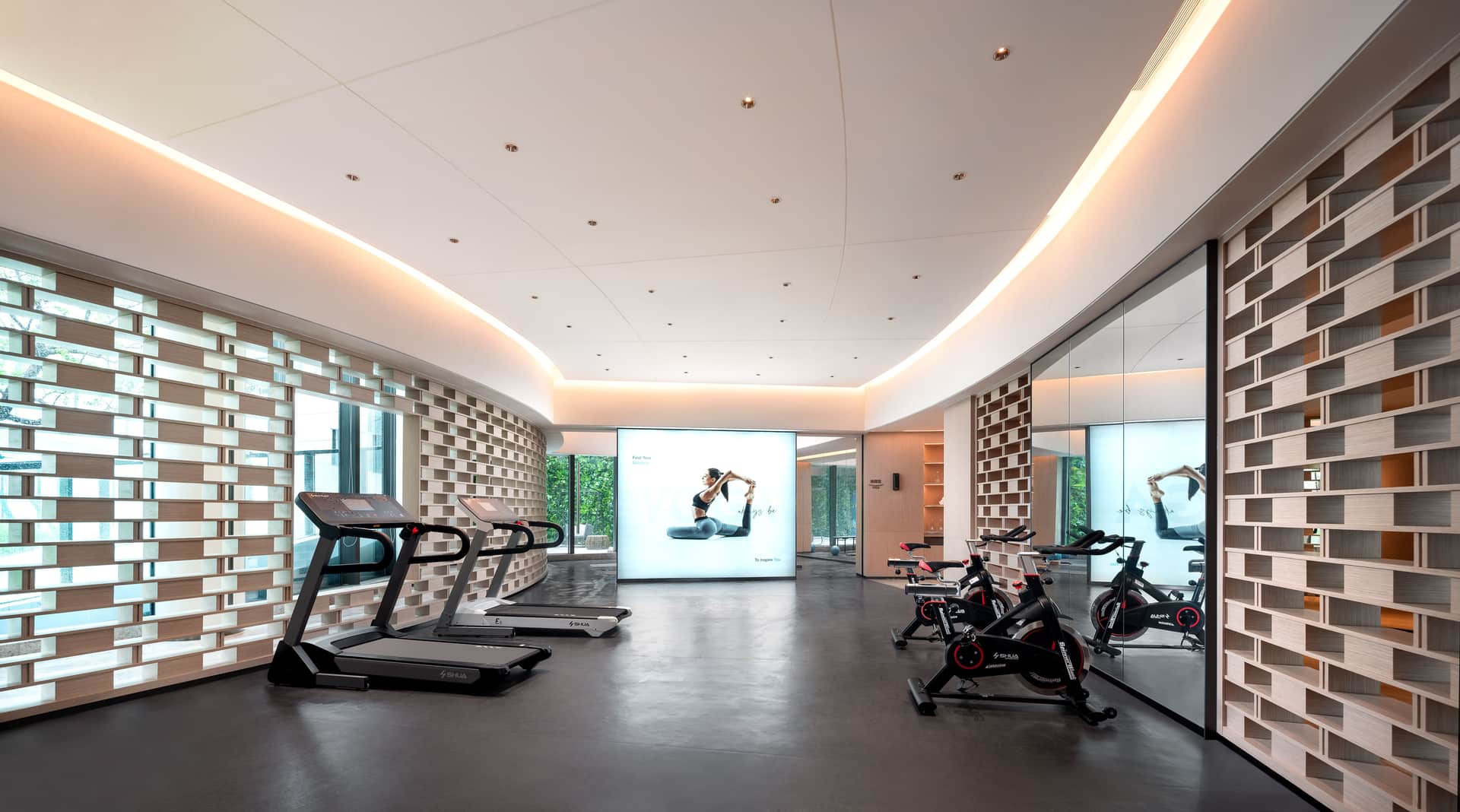
Cardio is where 'budget' and 'space' collide hardest. The good news for value hunters: the cheapest, most reliable cardio in a home gym is often the smallest. A $120 walking pad or a $200 magnetic rower beats a $1,500 treadmill you stop using because it dominates the room. Match the machine to the space and the habit, not the spec sheet.
On treadmills, the honest budget line is walk vs run. Cheap walking pads use small motors (around 1-2 HP continuous) that are perfect for walking and light jogging but overheat under daily hard running. If you run, budget for a 2.5+ HP continuous-duty motor — that's the spec that separates a treadmill that lasts from one that dies in a year. On rowers and bikes, magnetic resistance is the quiet, low-maintenance choice; avoid friction-pad resistance that wears and squeaks.
Not sure which category you want? Cheap cardio machines that are actually worth it goes type by type through which ones survive a low price, and the best cardio machines for bad knees starts from that constraint instead.
The mistake budget buyers make: buying the biggest treadmill they can afford, then never using it because it's loud and huge. For most home gyms, a walking pad plus a rower covers more real cardio, more often, for less money and floor space.
Each with live prices, our spec-scoring, and the budget traps to skip.
The walk-vs-run decision that saves you from a treadmill you never use, with two picks that fit real budgets.
Our top pick
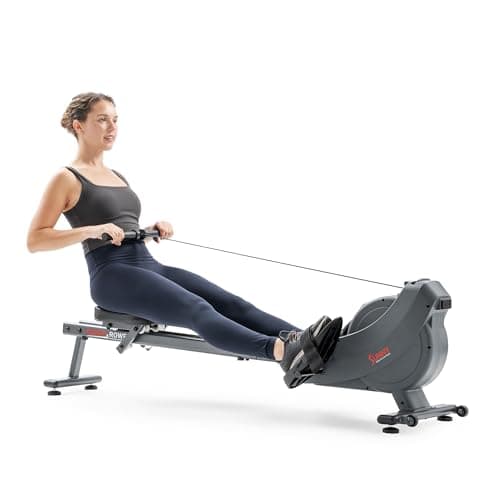
Quiet magnetic rowers that fit a small room and a full-body workout, plus a joint-friendly bike alternative for apartments.
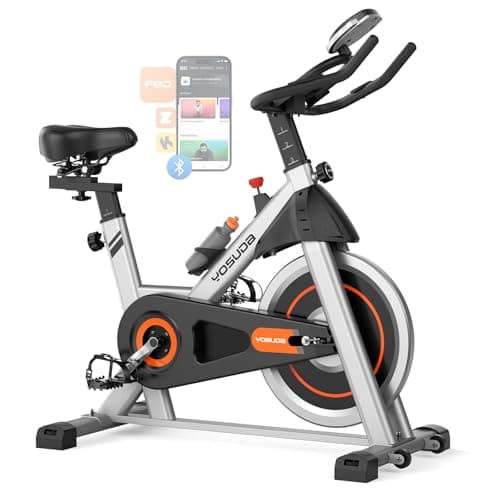
Spin, upright, folding and recumbent bikes under $350, ranked by resistance type and stability.
Our top pick
Near-silent budget cardio for shared walls and upstairs floors, ranked on the noise that actually travels.
Our top pick
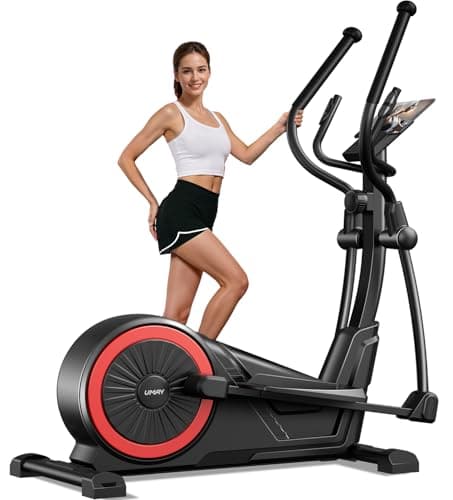
Joint-friendly cardio, and the category where cheap goes wrong fastest. The budget ellipticals worth buying and the specs that matter.
The bike is a flywheel and a frame. The screen is the expensive part. What you give up buying the cheap version, and which bikes to get.
Our top pick
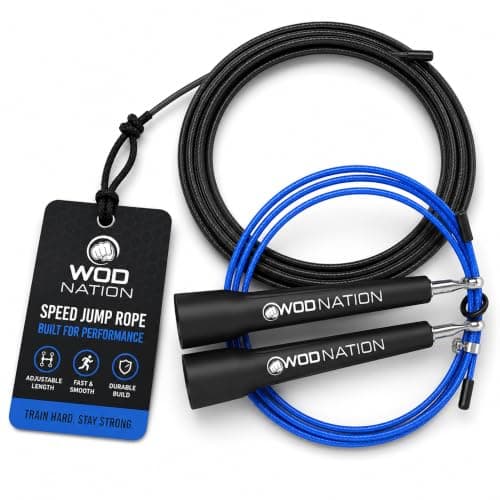
Under $20 of real conditioning in a shoebox. Speed versus weighted, how to size it, and the ropes worth buying.
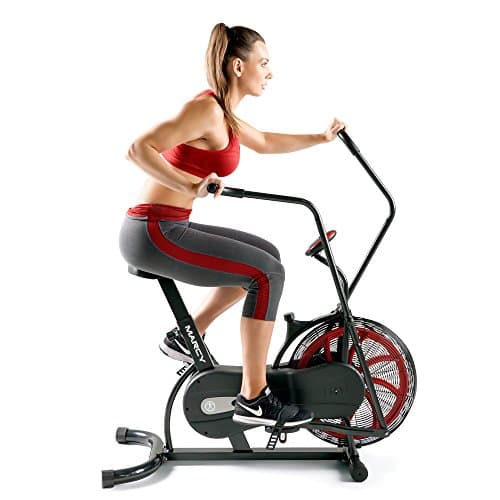
The fan is the resistance, so even a cheap air bike is genuinely hard. Frame weight and drive type decide whether it lasts.
Some cardio categories survive being cheap and some do not. Which is which, by machine type, and the ones we would actually buy.
Our top pick
The two most common budget cardio buys, compared honestly. One adds daily activity; the other lets you train hard.
Our top pick
Three machine types, three different jobs. What each one trains, what it demands, and which suits a budget home gym.
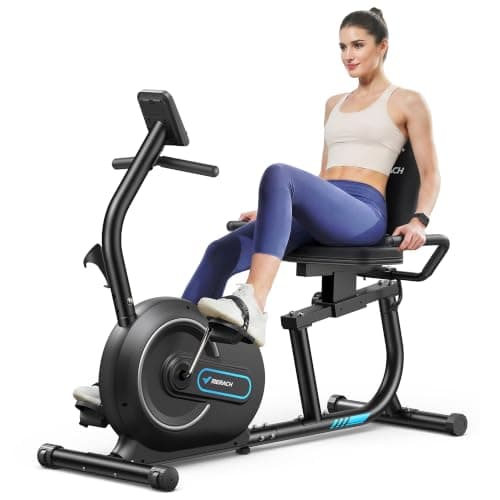
When running hurts, the machine matters more than usual. The low-impact options compared, and the budget picks worth buying.
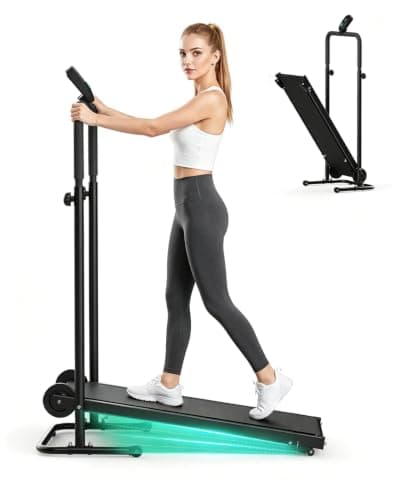
The cheapest treadmills have no motor at all. What that solves, what it costs you, and who should buy which.
These complete builds put every category together with a live, itemized total — so you know the real all-in cost before you buy a single piece.
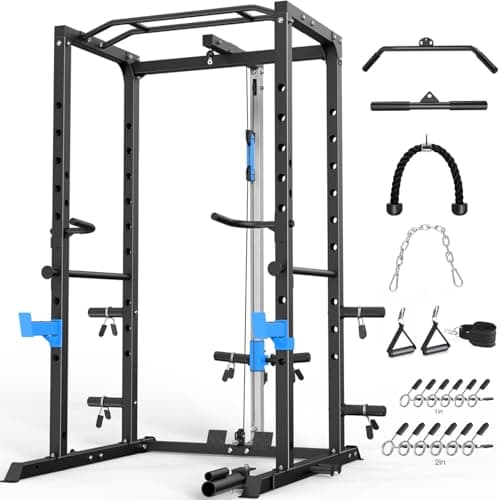
The whole build: one top pick per category, with a live total cost.
Our top pick
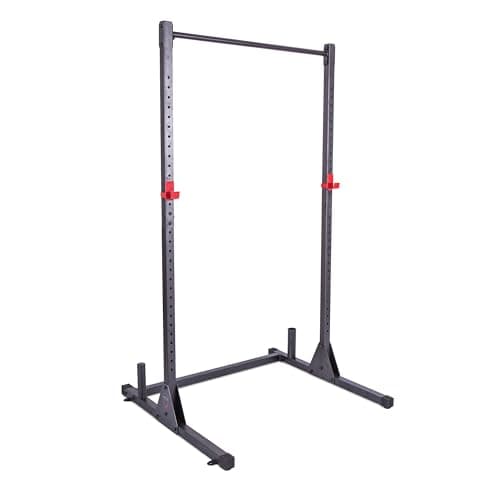
A full barbell gym — rack, bar, plates, bench, floor — under $500, priced live.