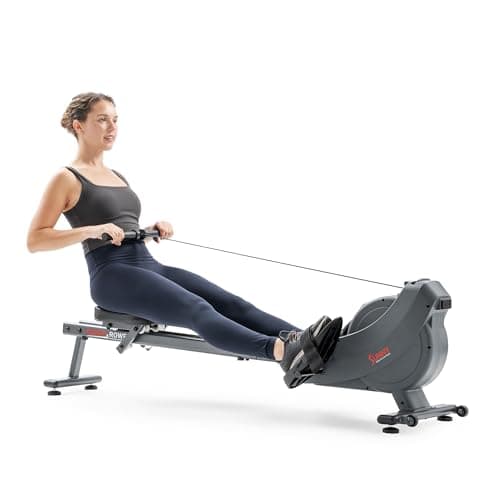
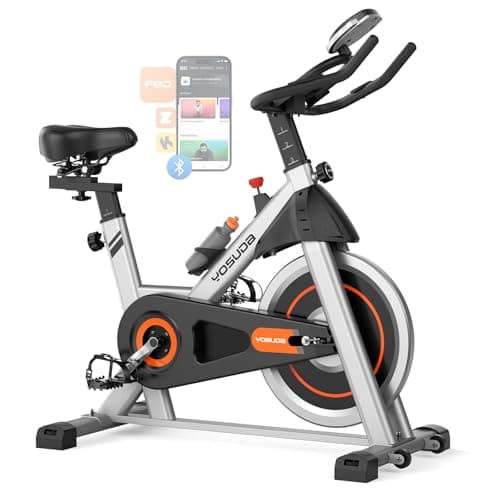
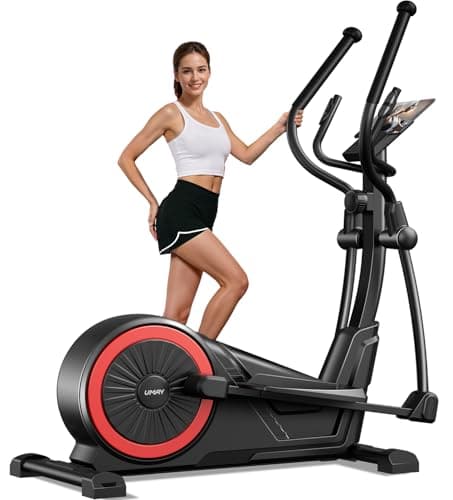
The three machines most budget home gyms choose between. They differ far more in what they train and what they demand than the price tags suggest.
Updated September 2026 · By Stephen V.
These three cover most of what a home gym buys when it buys cardio, and the marketing makes them sound interchangeable. They are not. They differ in how much of your body they involve, how much technique they demand, how much floor space they take permanently, and how gracefully each one handles being cheap.
The short version: the rower trains the most muscle per minute and folds; the bike is the simplest, quietest and hardest to get wrong; the elliptical is the joint-friendly option and the one where a low price hurts most. Everything below is the detail behind that.
The short answer
In a hurry? These are the picks we'd buy. Prices are live; tap a card below for the full reasoning.
The one to buy when impact is the problem but you still want to be on your feet — and the one where paying too little hurts most.
Muscle worked
Legs, some upper body with moving handles
Impact
None — feet never leave the pedals
Technique
Minimal
Storage
Permanent, and heavy
Pros
Weight-bearing without impact, which no other machine here offers
Moving handles bring in some upper body, unlike a bike
Comfortable enough to hold a long steady effort
Cons
The category where cheap goes wrong fastest — short stride turns a glide into a shuffle
Largest and heaviest footprint of the three, and it does not fold
Stride length is fixed, so tall users are the ones who notice a budget machine
Best for: upright cardio when running hurts.
Skip this
The budget traps that look cheap and cost you twice. We'd skip these.
Buying an elliptical at the very bottom of the market
Of these three, the elliptical is the one where a low price genuinely costs capability. Stride length, flywheel weight and frame rating decide whether it glides or shuffles, and the cheapest machines compromise all three. A budget bike or rower is a fine machine; the very cheapest elliptical often is not.
Choosing a rower without accounting for technique
Rowing is the only one of the three with a real skill component. Done well it is the best full-body cardio you can own; done badly it is a back exercise that people quit. Budget twenty minutes to learn the sequence — legs, then back, then arms, and the reverse on the way in — before deciding whether you like the machine.
Assuming the moving handles make an elliptical full body
The handles add some upper-body involvement, but most people end up holding on rather than pushing and pulling, and the legs still do the great majority of the work. If a genuine full-body machine is what you want, the rower is the honest answer of these three.
How to choose (and what to skip)
Start with how much of your body you want involved
This separates the three faster than any other question. A rower uses legs, back and arms and is the closest to full body. An elliptical is legs with some upper-body assistance. A bike is legs, mostly quads. More muscle involved means more work per minute, which is why the rower is usually the answer when you only want one machine.
Then ask what your joints will tolerate
All three are low or no impact, which is why they are the sensible categories for most home buyers. The differences are in position rather than impact: a bike is seated and easiest on the back, an elliptical is upright and weight-bearing without impact, and a rower loads the lower back if technique is poor. If a specific joint is the constraint, start from that rather than from the machine.
Count the floor space as part of the price
Only the rower folds meaningfully. A bike takes a compact but permanent corner. An elliptical takes the largest permanent footprint of the three and is heavy enough that it will not be moved once assembled. In a small home this is often the deciding factor, and it is the one people underweight when comparing spec sheets.
Know which category survives being cheap
The bike and the rower both do — a lower price removes console features and frame weight, not capability. The elliptical is the exception here: stride length and flywheel weight are core to how it feels, and the bottom of the market compromises them. If your budget is tight and you were leaning elliptical, a bike or a rower will get you a better machine for the same money.
Factor in noise if anyone else is home
The bike is the quietest, with contactless magnetic resistance and nothing touching the floor but the frame. The elliptical is close behind. The rower is the loudest of the three, not because of the resistance but because the seat rolls along a rail and puts a rhythmic rumble into the floor. A dense mat fixes most of it, and it is worth budgeting for upstairs.
How they actually differ
The clearest way to separate these three is by how much of you they involve. Rowing drives with the legs, swings through the back and finishes with the arms, so a rowing stroke recruits most of the body in one movement. An elliptical is largely legs, with the moving handles adding some upper body if you actually push and pull rather than hold on. A bike is legs, and mostly quads.
That single difference cascades into everything else. More muscle involved means a higher work rate at the same perceived effort, which is why a rower feels harder than a bike at the same heart rate. It also means the rower is the machine that gets the most done in a short session, which matters more in a home gym than in a commercial one.
Which to buy if you only buy one
A magnetic rower, for most budget home gyms. It trains the most, it folds so it does not permanently cost a corner, it has no impact, and the budget end of the category is genuinely good. The condition attached is that you have to be willing to learn the stroke, because the machine rewards technique and punishes ignoring it.
Buy the bike instead if quiet operation is non-negotiable, if you want zero learning curve, or if you know from experience that you will do long steady sessions while watching something. Buy the elliptical instead if impact is the specific problem, you want to stay upright and weight-bearing, and your budget clears the point where stride length stops being compromised.
What about treadmills and fan bikes?
They are the other two categories worth knowing. A treadmill is the only one that trains actual running, but the budget end is the weakest in cardio because motor headroom is the capability — covered in is a cheap treadmill worth it. A fan bike is the hardest of the lot and cannot be outgrown, at the cost of being the loudest machine you can own; see the budget air bike roundup.
Which burns more calories: a bike, an elliptical or a rowing machine?+
At the same effort, the rower generally does the most work per minute because it involves the most muscle mass, with the elliptical next and the bike last. The gap is smaller than most claims suggest, and it is dwarfed by how often you actually train. The machine you will use four times a week beats the one with the higher theoretical rate that you use once.
Which is best for bad knees?+
All three are low or no impact, which already puts them ahead of running. A recumbent or upright bike is usually the gentlest because you are seated and control the resistance; an elliptical keeps you upright without impact; a rower is fine for knees but loads the lower back if the technique is wrong. If joints are the deciding factor, our guide to cardio machines for bad knees starts from that constraint.
Which one is best for a small apartment?+
The rower on space, because it is the only one of the three that folds upright. The bike on noise, because magnetic resistance is near-silent and nothing rolls along a rail. The elliptical is the worst fit of the three for a small apartment: it has the largest permanent footprint and it is heavy enough that it stays where you build it.
Is a rowing machine hard to learn?+
There is a real learning curve, but it is short. The sequence is legs, then back, then arms on the drive, and the exact reverse on the recovery. Most people have it in a session or two. What matters is not rushing that order, because pulling with the arms first is what turns rowing into a lower-back exercise and is the main reason people give up on the machine.
Do cheap versions of these machines work?+
Bikes and rowers, yes — a low price removes console features and frame weight rather than capability, so the training is essentially unaffected. Ellipticals are the exception: stride length and flywheel weight decide how the machine feels, and the very bottom of that market compromises both. If the budget is tight, the bike and the rower are the safer buys.
Prices and availability shown here come from Amazon's live data and change often; we re-verify them regularly. Bar Bumper is an Amazon Associate and earns a commission on qualifying purchases at no extra cost to you. Read our full disclosure.