Gifts for weightlifters: personal kit that goes in the gym bag
Whether they lift in a garage or a commercial gym, this is the gear that belongs to the lifter rather than the room — belts, grip tools, a vest, a bell. Explained for someone who does not lift, with the one thing to check on each.
Updated September 2026 · By Stephen V.
There are two kinds of gift for someone who lifts: equipment for the room, and kit for the person. If they train at a commercial gym, only the second kind is any use — a rack attachment is a paperweight to someone who lifts at a gym across town. This page is the second kind: the belt, the grip tools, the vest and the bell that travel with the lifter, whether they train in a garage, a basement or a chain gym. For the room, see the home gym owner guide.
The picks are ordered by how much a lifter wants them, not by how safe they are to buy blind, so read the 'Check first' line on each — the belt in particular needs a measurement. Every product is one we already rank on this site, with the live price and the date we verified it under each button.
The short answer
In a hurry? These are the picks we'd buy. Prices are live; tap a card below for the full reasoning.
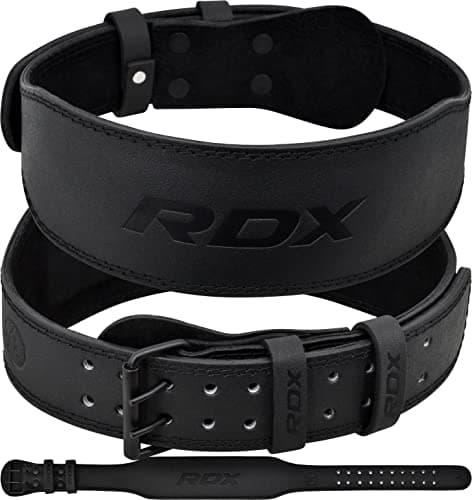
Padded cowhide with a multi-hole prong — the least you can spend and still be giving leather rather than foam. The gift every barbell lifter wants and few buy for themselves early enough.
a lifter who squats and deadlifts and still does not own a leather belt
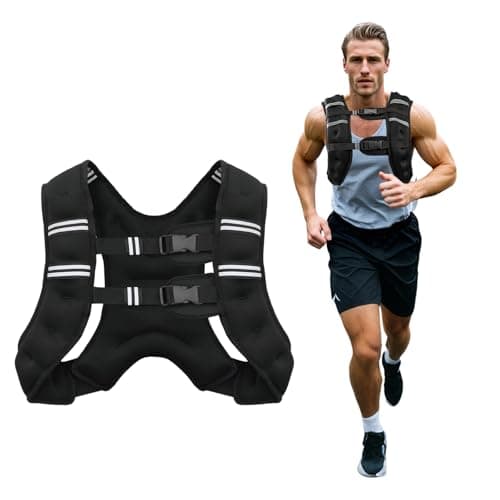
The everyday 20 lb vest: enough load to change a pull-up and a walk, light enough that it actually gets worn. Adjustable straps take the guesswork out of sizing.
the lifter who also walks, hikes or does pull-ups and push-ups
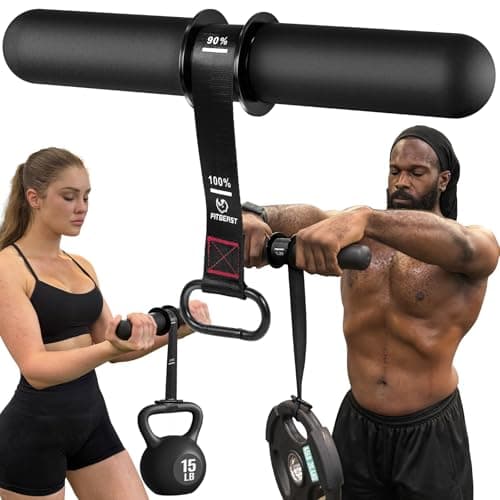
The classic wrist roller: brutal, cheap, and the only tool here that trains the forearm through its full range. Loads with plates they already have access to.
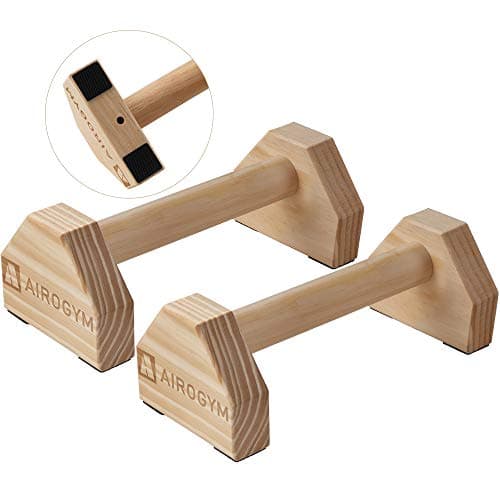
A pair of wooden parallettes — push-ups, L-sits, dips and handstand work with zero rigging. They sit on the floor, they slide under a bed, and they need no permission from a landlord.
someone who trains bodyweight in a rental with nowhere to hang anything
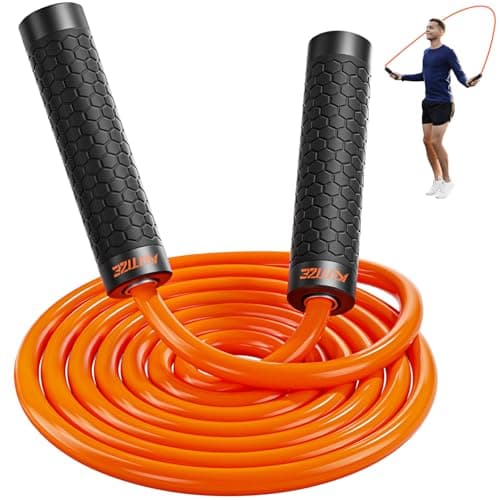
A low-cost weighted rope with bearing handles. Fits in a coat pocket, works in a driveway, and it is the cardio a lifter will actually do because it is over in ten minutes.
the lifter who has no conditioning tool and no space for one
Padded cowhide with a multi-hole prong — the least you can spend and still be giving leather rather than foam. The gift every barbell lifter wants and few buy for themselves early enough.
Material
Cowhide leather
Width
4" and 6" options
Closure
Prong, multi-hole
Check first
Waist measurement at the navel — never pants size
Pros
Real leather at close to nylon-belt money
Padded back panel is comfortable from day one, unlike a stiff flat belt
Wide adjustment range forgives a slightly-off measurement
Cons
Sizing is by navel circumference and gifters get it wrong — measure or check an existing belt
Less rigid than a flat 4-inch belt, which a competitive powerlifter will notice
Padding compresses over time and the fit drifts
Best for: a lifter who squats and deadlifts and still does not own a leather belt.
The everyday 20 lb vest: enough load to change a pull-up and a walk, light enough that it actually gets worn. Adjustable straps take the guesswork out of sizing.
Weight
20 lb
Adjustable
Yes, removable weights
Fit
Adjustable straps
Check first
That they do bodyweight work or walk — a pure barbell lifter may not use it
Pros
20 lb is the sweet spot: meaningful on pull-ups, tolerable for a long walk
Removable weights, so it starts light and builds up
Adjustable straps fit most adults without knowing a size
Cons
Sand-pouch construction shifts more than a plate vest when moving fast
Adds bulk across the chest, limiting deep push-up range for some
Not a serious strength tool on its own
Best for: the lifter who also walks, hikes or does pull-ups and push-ups.
$19.9915% offPrice as of September 14, 2026·#addisclosure
FitBeast Wrist Roller & Forearm Exerciser
The classic wrist roller: brutal, cheap, and the only tool here that trains the forearm through its full range. Loads with plates they already have access to.
Type
Wrist roller
Trains
Wrist flexors & extensors
Loading
Hang their own weight
Check first
Nothing — works with any plate or dumbbell
Pros
Loads with plates they own or the gym has — unlimited progression
Trains both directions, which grippers do not
Notoriously effective for forearm size
Cons
Unpleasant in the way that works — easy to skip
Needs somewhere to stand and something to hang
Rope wears and eventually needs replacing
Best for: a lifter whose grip fails before the lift does.
A pair of wooden parallettes — push-ups, L-sits, dips and handstand work with zero rigging. They sit on the floor, they slide under a bed, and they need no permission from a landlord.
Type
Wooden parallettes (pair)
Rigging needed
None
Best for
Push-ups, L-sits, handstands
Check first
That they do bodyweight or gymnastics-style work
Pros
No joist, beam or rack required — they just sit on the floor
Wooden bars are kinder to the wrists than a flat floor
Store under a bed or sofa
Cons
No pulling movements at all — pressing and core only
A pure barbell lifter may never touch them
Feet slide on polished floors without a mat
Best for: someone who trains bodyweight in a rental with nowhere to hang anything.
A low-cost weighted rope with bearing handles. Fits in a coat pocket, works in a driveway, and it is the cardio a lifter will actually do because it is over in ten minutes.
Cable
Weighted (1 lb)
Handles
Ball-bearing
Length
Adjustable
Check first
Nothing — adjustable length fits any height
Pros
Cheap enough to add to any other gift on this page
Bearing handles at a price where many ropes skip them
Adjustable, so you do not need to know their height
Cons
Handle finish gets slippery with sweaty hands
Length adjustment is fiddlier than on pricier ropes
Coating wears faster on concrete
Best for: the lifter who has no conditioning tool and no space for one.
Skip this
The budget traps that look cheap and cost you twice. We'd skip these.
Lifting shoes, wrist wraps, knee sleeves and gloves
All excellent, all sized, and all things a lifter has strong opinions about. Sleeves in the wrong size are useless and shoes in the wrong style go unworn. Unless you know the exact size and model they want, these are for them to buy.
Lifting straps as the main gift
Every lifter already owns a pair, usually two. They cost a few dollars and they are in the bag. Grip tools, which make straps less necessary, are the better version of this gift.
Anything that says 'beast' on it
See the under-$50 guide. The recipient has a drawer of these.
Pre-workout and protein
Personal, brand-loyal and possibly incompatible with something else they take. Not a present.
How to choose (and what to skip)
Getting the belt size right
Measure around the navel with a soft tape, or find an existing belt and read the hole they use. Lifting belts are not sized like trousers — a person in 32-inch pants can be a 36-inch belt — and every belt manufacturer publishes a chart against the navel measurement. If you cannot get the number, do not guess; buy the kettlebell.
Which kettlebell weight
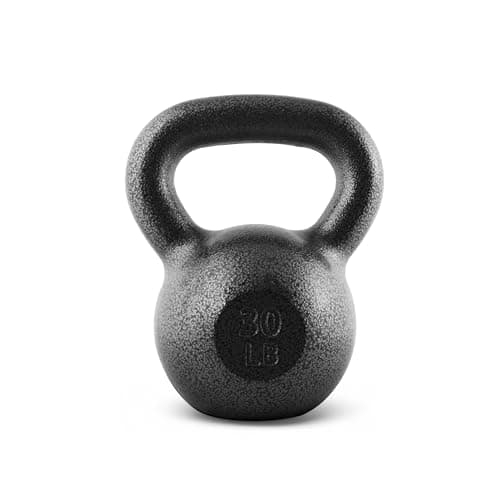
For a lifter who already trains with weights, 30 lb suits most men for swings and most women for presses; a strong lifter will want 45 lb or more. If they already own a bell, buy the next size up from it. The 30 lb pick here is the sensible default when you do not know.
Where they train decides half the list
A commercial-gym lifter can use the belt, the grip tools, the vest and the rope. A home lifter can use all of those plus the kettlebell and parallettes without a second thought. Someone in an apartment rules out the bell being dropped and the rope being used indoors, but the parallettes are made for exactly that room.
Combine a small one with a big one
The grippers and the rope are add-on money. Pair one with the belt, the vest or the bell and the gift reads as considered rather than as a single object in a box.
How to pick without asking what they want
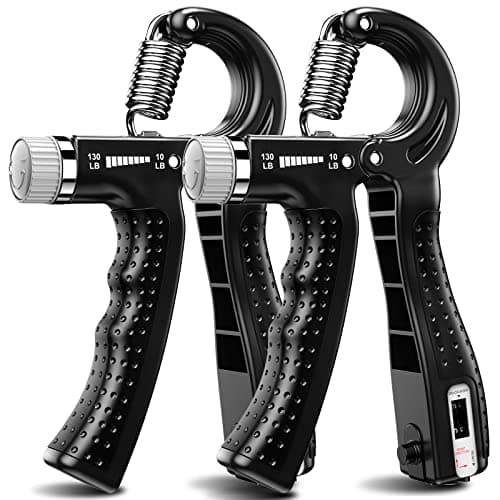
You need to know two things: whether they lift a barbell, and whether they also do bodyweight or conditioning work. A barbell-only lifter gets the belt (if you can size it), the kettlebell and the grip tools. A bodyweight or hybrid lifter gets the vest and the parallettes. Everyone gets the rope and the grippers as add-ons. If the only thing you know is 'they lift weights', the kettlebell and a pair of grippers is a gift that lands on anyone.
If they train at home and you want to buy for the room instead — storage, a rack attachment, a specialty bar — the home gym owner guide is the right page. If they are just starting out, the starting a home gym guide lists the big pieces in order.
What is a good gift for someone who lifts weights?+
A leather lifting belt if you can get their navel measurement; a cast-iron kettlebell if you cannot. Grip tools (a wrist roller or grippers) suit any lifter and cost little. A 20 lb weighted vest suits lifters who also walk or do pull-ups. Avoid sized items — shoes, sleeves, wraps — unless you know the exact size.
How do I know what size lifting belt to buy as a gift?+
Belts are sized by the measurement around the navel, not by pants size, and the difference can be four inches. Measure with a soft tape, check the hole they use on an existing belt, or ask a training partner. Every manufacturer publishes a size chart against that navel number. If you cannot get it, choose a different gift.
What kettlebell weight should I give a weightlifter?+
For someone who already trains with weights, 30 lb is the sensible default; a strong lifter will want 45 lb or heavier for swings. If they own kettlebells already, the next size up from their heaviest is the right gift. A complete beginner should start lighter — see the under-$100 guide.
Are gifts for powerlifters different from gifts for weightlifters?+
Mostly the same list. A powerlifter cares most about the belt and will notice that a padded belt is less rigid than a flat 4-inch leather one — if you know they compete, buy the stiffer belt from our belt roundup. Olympic weightlifters use a belt less and lifting shoes more, and shoes are a sized, personal purchase we would not gift blind.
Prices and availability shown here come from Amazon's live data and change often; we re-verify them regularly. Bar Bumper is an Amazon Associate and earns a commission on qualifying purchases at no extra cost to you. Read our full disclosure.