Best budget cable machine: 4 cheap towers that earn their spot
A cable machine isn't a barbell replacement — it's for the pulldowns, rows, face pulls, and pushdowns free weights can't copy. Here are the ones worth buying, and why plate-loaded wins on a budget.
Updated July 2026 · By Stephen V.
A cable machine earns its place in a budget gym for one reason: it does the pulling and pressing that a barbell and dumbbells simply can't copy — lat pulldowns, seated rows, face pulls, triceps pushdowns, and cable curls with constant tension top to bottom. It is not a barbell replacement, and buying one before you own a rack, a bench, and some free weights is putting the accessory before the foundation.
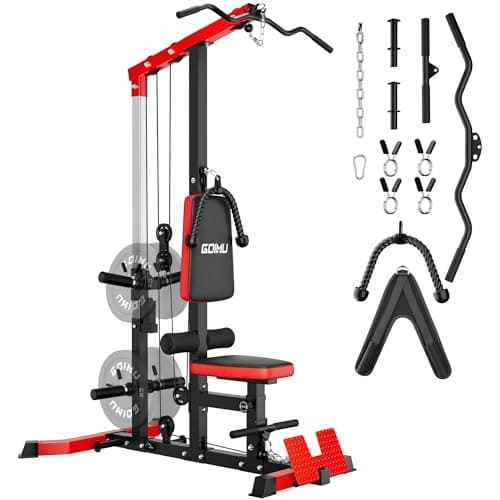
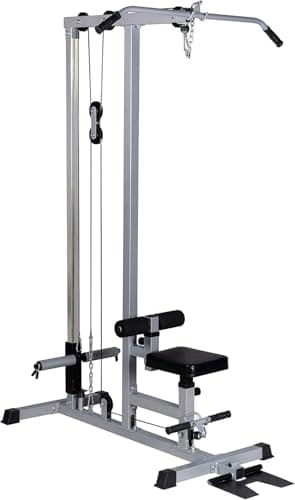
The best value here is a plate-loaded lat pulldown and low-row tower — typically around $170 to $270. Plate-loaded beats selectorized on a budget for two plain reasons: you already own the plates, so you're not paying for a weight stack twice, and there's no stack ceiling to outgrow — you hang as much as the pulley is rated for. Below are the four we'd actually spend on, scored on published specs and format, not vibes.
The short answer
In a hurry? These are the picks we'd buy. Prices are live; tap a card below for the full reasoning.
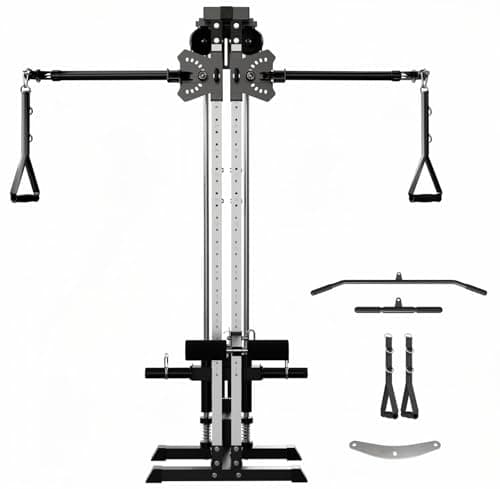
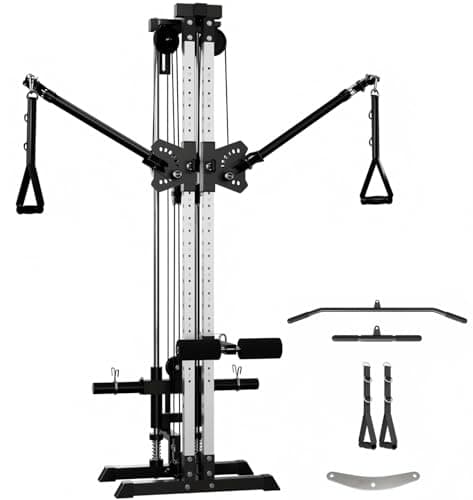
Dual independent arms for true crossovers — the most versatile cable buy on a budget.
Type
Wall-mount functional trainer
Arms
Dual independent swivel arms
Resistance
Plate-loaded
Best use
Crossovers, presses, unilateral work
Pros
Two independent arms enable true cable crossovers
Widest exercise range of the four
Wall-mounted — keeps the floor clear
Cons
The most involved install of the group
Priciest of these four
Overkill if you only want pulldowns and rows
Best for: cable crossovers & variety.
Skip this
The budget traps that look cheap and cost you twice. We'd skip these.
An expensive selectorized stack machine for the same lifts
A selectorized cable machine makes you pay for a weight stack you don't need — you already own plates. A plate-loaded lat tower does the same pulldowns and rows for less, and has no stack ceiling to outgrow. Save the selectorized premium for the convenience of not loading plates, and only if that convenience is worth the extra money to you.
Buying a cable machine before a rack, bench, and free weights
Cables are an accessory, not a foundation. A power rack, an adjustable bench, and a barbell or dumbbells build far more strength per dollar and cover squat, press, hinge, and pull. Add a cable tower once that base is in place — not before it.
How to choose (and what to skip)
Plate-loaded vs selectorized
Plate-loaded means you hang your own plates on a horn or carriage; selectorized means a built-in stack you set with a pin. On a budget, plate-loaded wins — you already own plates, so you're not paying for a second set of weight, and there's no stack ceiling. You trade the convenience of pin-select for a lower price and unlimited top-end.
What cables actually add
Buy a cable machine for the movements free weights can't replicate with constant tension: lat pulldowns, seated and low rows, face pulls, triceps pushdowns, and cable curls. If a lift can be done well with a barbell or dumbbells, the cable isn't the reason to buy — the isolation and constant-tension work is.
Floor tower vs wall-mounted
A floor tower is freestanding and easy to place but takes a dedicated footprint. Wall-mounted stations bolt to studs and free up the floor, but they're permanent and demand a solid wall. If space is tight and you own the wall, mounting wins; if you rent or move often, a floor tower is the safer call.
Single arm vs dual arms
A single pulldown/low-row tower covers the two lifts most people use most. Dual swivel arms add presses, crossovers, and unilateral work — more versatility, but more money and more setup. Match the arm count to the exercises you'll genuinely program, not the ones you might.
Check the pulley and horn rating
With plate-loaded machines, the practical ceiling is the plate horn and pulley rating, not a printed stack number. Confirm the frame takes the load you'll actually pull, and remember a 2:1 pulley ratio changes how much plate weight you feel at the handle.
Frequently asked questions
Is a plate-loaded cable machine better than a selectorized one?+
On a budget, yes. You already own plates, so a plate-loaded lat tower doesn't make you pay for a weight stack twice, and there's no stack ceiling to outgrow — you load as much as the pulley is rated for. Selectorized stacks are more convenient to change between sets, but you pay a clear premium for that convenience.
Do I really need a cable machine for a home gym?+
No — it's an accessory, not a foundation. A rack, a bench, and free weights build more strength per dollar. A cable machine earns its place once that base exists, because it adds pulldowns, rows, face pulls, and pushdowns that a barbell and dumbbells can't replicate with constant tension.
What can I actually train on a budget cable tower?+
A lat pulldown and low-row tower covers lat pulldowns, seated rows, straight-arm pulldowns, face pulls, triceps pushdowns, and cable curls — the back and arm work most home setups are missing. Dual-arm functional trainers add cable presses, crossovers, and unilateral movements on top of that.
Can a cable machine replace my barbell?+
No. Cables are for isolation and constant-tension pulling and pressing, not for heavy squats, deadlifts, or overhead presses. Treat a cable tower as the accessory that rounds out a free-weight gym, not the thing that replaces it.
Prices and availability shown here come from Amazon's live data and change often; we re-verify them regularly. Bar Bumper is an Amazon Associate and earns a commission on qualifying purchases at no extra cost to you. Read our full disclosure.