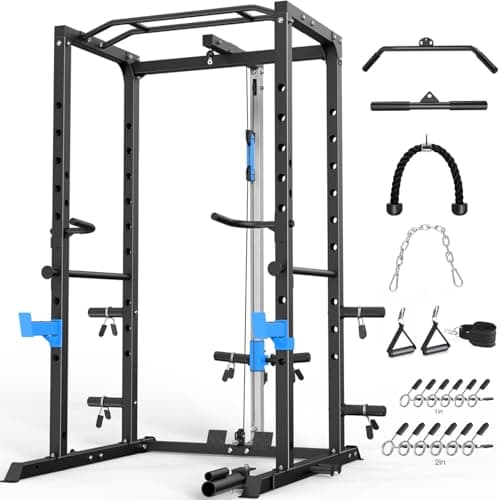
Best budget power rack
Best budget power rack: 5 cheap cages that aren't junk
The cheap 4-post cages worth trusting with heavy squats, ranked by our spec method.
Updated July 2026 · Stephen V.
Our top pick
The single most important safety purchase in a home gym. Here is what a rack actually needs before you trust it with a bar on your back.
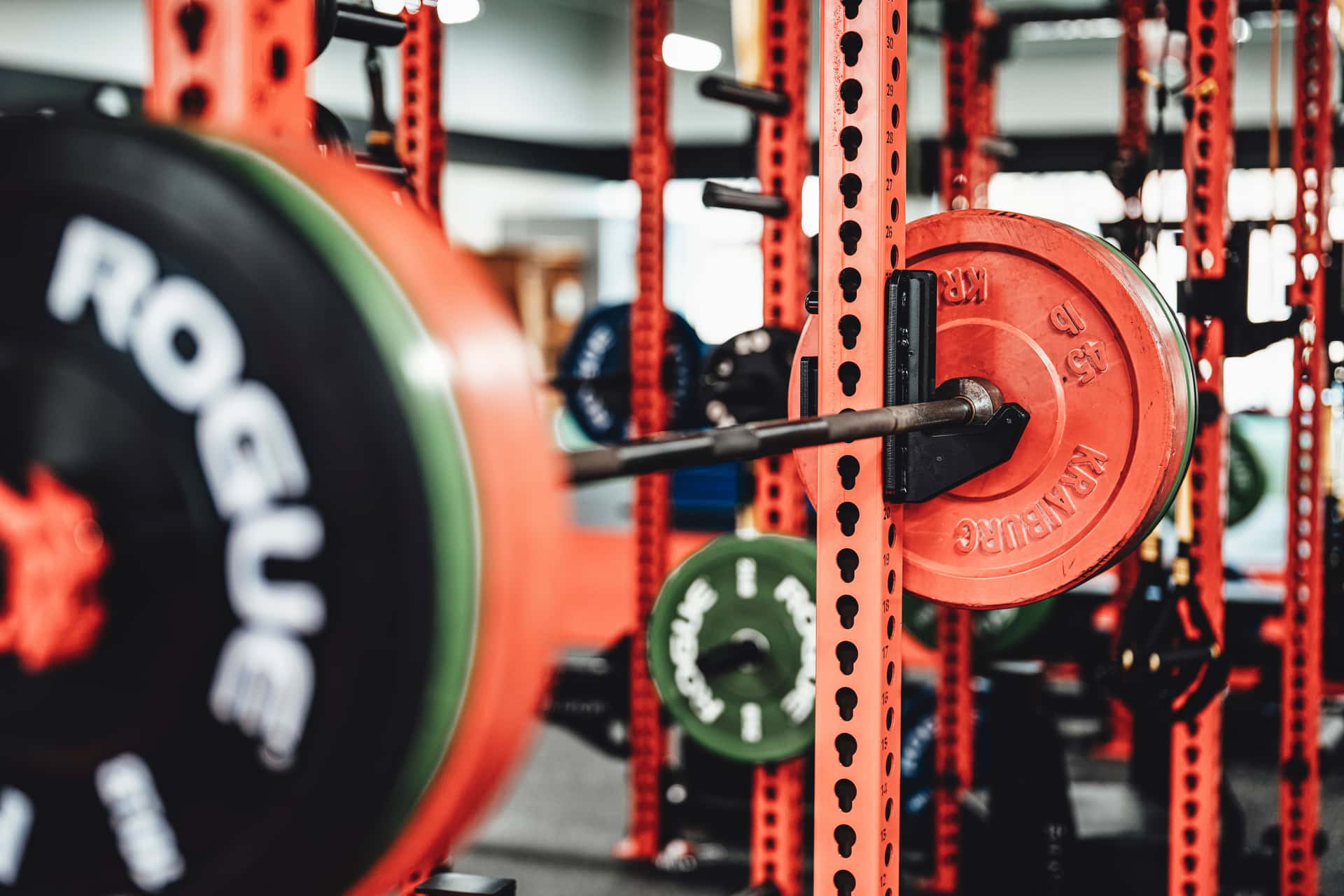
A rack is the frame your whole gym is built around, and it is the one piece where buying too cheap is genuinely dangerous. Everything else on this site is about saving money. A rack is where we tell you exactly where the floor is — below a certain build quality, a squat stand will flex, tip, or fold under a real working weight, and that is not a risk worth $40.
The good news: you do not need a $1,200 commercial cage. Sub-$300 power cages from brands like ULTRA FUEGO, SPORTSROYALS, and GOIMU now use the same 2x2-inch, 12-14 gauge steel uprights that racks costing three times as much used a few years ago. The budget game here is about knowing which specs are non-negotiable and which are marketing.
Three specs separate a rack you can trust from one you cannot, and all three are printed on the listing:
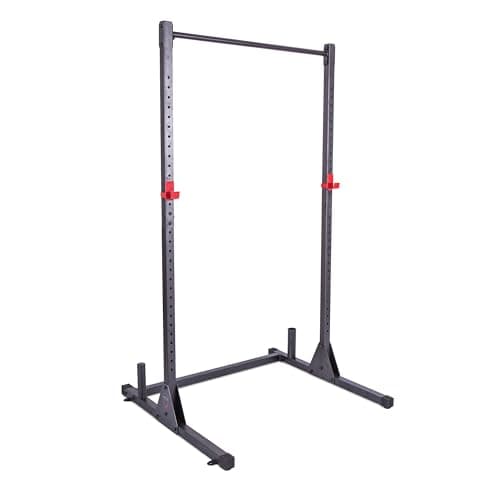
The mistake budget buyers make: buying a wobbly $70 squat stand for a barbell, then buying a real rack six months later after a scary rep. Buy the cage once. If a cage genuinely won't fit, a heavy bolted-down half rack or a bodyweight power tower is a better cheap answer than a flimsy stand.
Each with live prices, our spec-scoring, and the budget traps to skip.
The cheap 4-post cages worth trusting with heavy squats, ranked by our spec method.
Our top pick
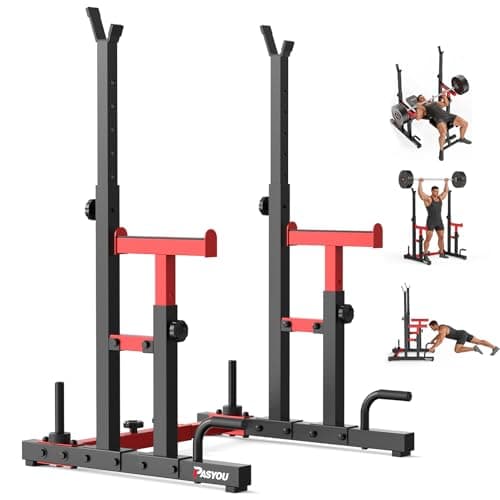
The cheapest squat racks and stands worth buying, and how to keep them from tipping.
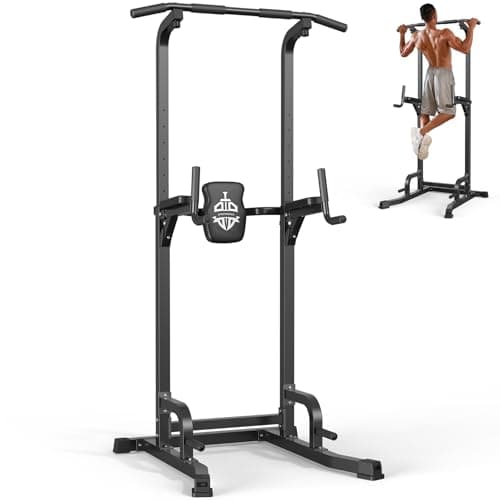
The cheap pull-up and dip towers worth owning, ranked on base width, capacity and adjustability.
Our top pick
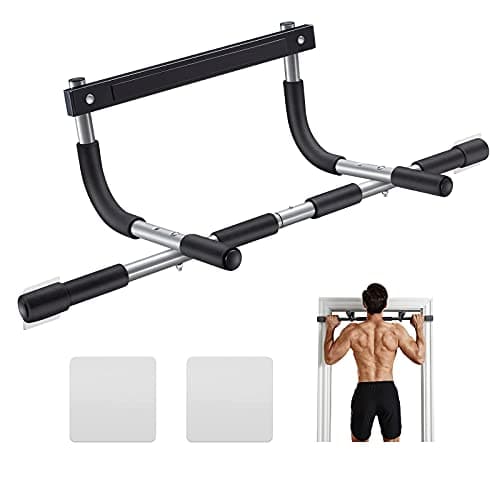
Doorway, wall-mount and joist-mount pull-up bars under $50, ranked by mount type and capacity.
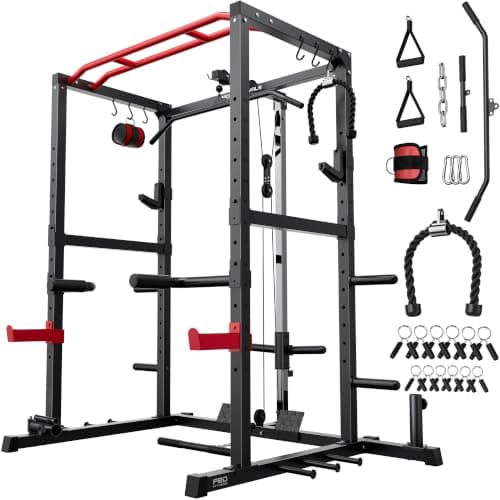
Cage-plus-pulley racks compared with buying a rack and a cable machine separately.
Our top pick
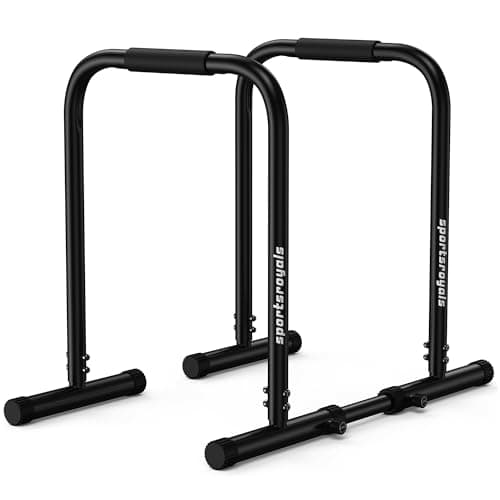
Under $60 buys a loadable pressing station. The budget dip bars that stay planted, and the ones that walk across the floor.
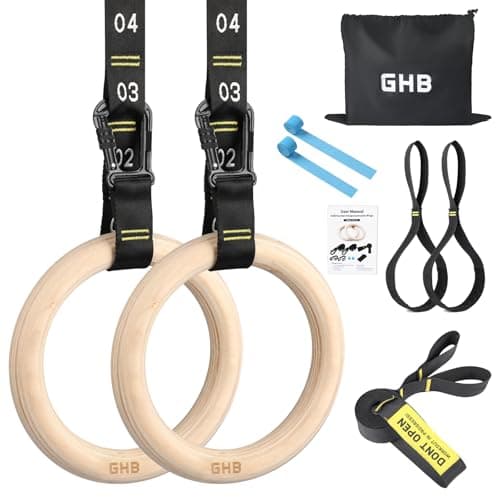
About $35 turns a beam into a full upper-body station. The wooden rings and straps worth buying, plus the parallettes alternative.
These complete builds put every category together with a live, itemized total — so you know the real all-in cost before you buy a single piece.
The whole build: one top pick per category, with a live total cost.
Our top pick
A full barbell gym — rack, bar, plates, bench, floor — under $500, priced live.