When impact is the problem, the machine matters more than usual. What actually changes between the low-impact options, and which are worth buying cheap.
Updated September 2026 · By Stephen V.
A quick and important caveat before any of this: we are not medical professionals, and nothing here is medical advice. Knee pain has a lot of possible causes and some of them need a proper diagnosis rather than a different machine. If your knee hurts persistently, gets worse, swells or gives way, see a physiotherapist or doctor before buying equipment.
What this page can honestly do is explain what actually differs between the low-impact cardio machines, so that whatever you and a professional decide, you are not overpaying or buying the wrong shape of machine. Three things vary between them and matter here: impact, how much knee bend the movement demands, and whether you are supported or holding yourself up.
The good news is that this is a cheap problem to solve. Every machine on this page is a category where a low price removes console features rather than capability, so you are not being pushed toward an expensive machine to get a joint-friendly one. We have not tested any of these ourselves — we read the published specs, compare them, and say so.
The short answer
In a hurry? These are the picks we'd buy. Prices are live; tap a card below for the full reasoning.
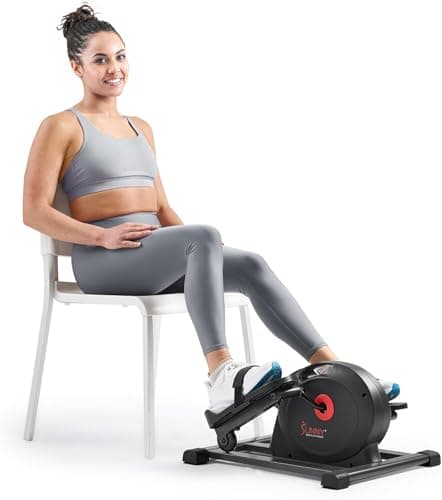
Not a training machine and not pretending to be — an under-desk pedal unit that puts easy, controllable movement into a day with no space and no tolerance for load.
$139.9914% offPrice as of September 14, 2026·#addisclosure
Sunny Health Under-Desk Elliptical
Not a training machine and not pretending to be — an under-desk pedal unit that puts easy, controllable movement into a day with no space and no tolerance for load.
Type
Under-desk elliptical
Impact
None
Position
Seated
Footprint
Fits under a desk
Pros
Cheapest and lowest-commitment option here by a wide margin
Seated and small-range, so it is the gentlest movement on this page
Genuinely usable while working, which is how it accumulates volume
Cons
Far less demanding than any full machine — this is movement, not conditioning
No upper-body involvement at all
Not a substitute if real cardiovascular training is the goal
Best for: gentle movement while seated.
Skip this
The budget traps that look cheap and cost you twice. We'd skip these.
A treadmill, if impact is the actual problem
Walking is far gentler than running, but it is still impact, and impact is the specific thing being avoided here. If a treadmill is what you want anyway, walking on one at a low speed is usually tolerable — but it should be a considered choice rather than the default, and it should not be the machine you buy to protect a knee.
Buying a machine instead of getting a diagnosis
Equipment cannot tell you why a knee hurts. Some causes improve with controlled low-impact movement and some get worse with any loading at all, and those two look identical from the outside. If the pain is persistent or worsening, the cheapest thing you can do is see a professional first, not buy a different machine and hope.
The very cheapest elliptical, specifically
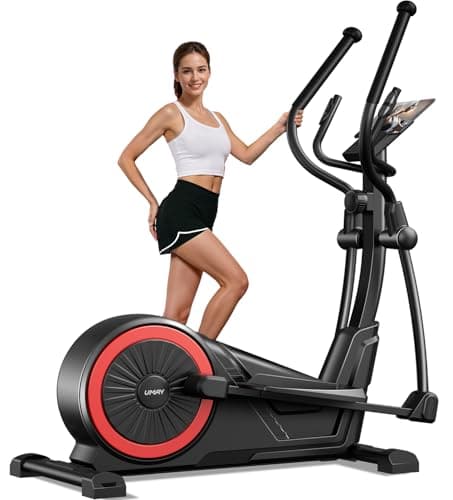
Ellipticals are the one category on this page where a low price genuinely costs capability, because stride length and flywheel weight decide whether the path feels natural. A stride that does not match your gait is exactly the wrong thing to buy for a sore joint. If the budget is tight, a bike gives you a joint-friendly machine with no such compromise.
Assuming low impact means unlimited volume
No impact removes one source of stress, not all of them. It is still possible to overdo resistance, session length or frequency on any machine here, and doing so is a common way people go from making progress to going backwards. Build up gradually regardless of how gentle the machine is.
How to choose (and what to skip)
Impact is the first filter, and it rules out one category
Impact means your foot leaves a surface and lands on it. Running is high impact, walking is moderate, and everything on this page is essentially zero because your feet never leave the pedals or the footplate. If impact is what bothers your knee, that single distinction narrows the field faster than any spec comparison.
Then look at how much the knee has to bend
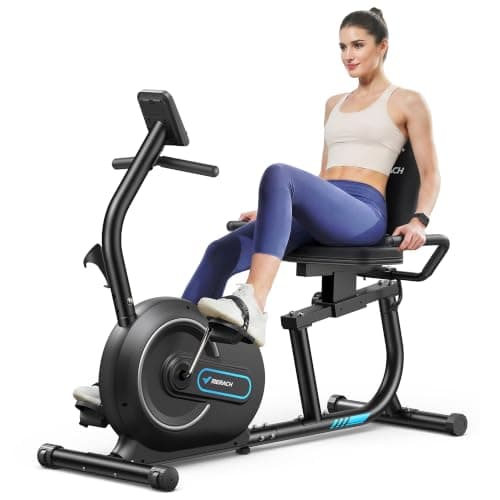
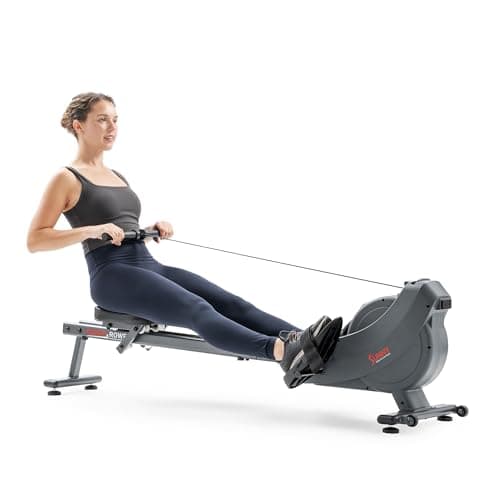
This is the difference people miss. A recumbent bike keeps the knee in a fairly open range; an upright bike is similar but depends on seat height; an elliptical follows a fixed shallow path; a rower puts the knee into deep flexion at the catch. If deep bending is the painful part, that ranking matters more than impact does, and it is why the rower is not the automatic answer despite being the best trainer here.
Decide whether you want to be supported
A recumbent bike supports your back and takes the torso out of the equation entirely. An upright bike, an elliptical and a rower all ask you to hold yourself up. If a knee problem comes with a back or hip problem, or if balance is a factor, the supported option is worth the extra footprint it costs.
Set the machine up properly before judging it
Seat height is the single most common cause of knee pain on a bike that had nothing to do with the knee itself. Too low forces excessive bend at the top of the stroke; too high makes you reach and rock. Set it so the leg is almost but not quite straight at the bottom of the pedal stroke, and give any new machine a couple of sessions at that setting before drawing conclusions.
Buy for the range you can use today
The temptation is to buy the machine that suits the training you hope to do in six months. With a joint problem that is backwards: the machine that lets you do something comfortable this week is the one that produces the consistency you need. Continuously variable resistance matters more than a high top end, because it lets you start genuinely easy.
What actually differs between low-impact machines
Once impact is off the table, three things separate these machines. The first is knee flexion — how far the joint has to bend through the movement. A rower asks for the most at the catch; a recumbent bike asks for the least. The second is support: a recumbent has a back rest, and everything else asks you to hold yourself up. The third is control, meaning how finely you can dial the resistance down, which is what lets you start at a genuinely easy level.
Those three explain almost every difference in how these machines feel. They also explain why the best trainer here is not automatically the best pick: the rower involves the most muscle and produces the most work per minute, but it also demands the most from the joint you are trying to protect.
Start with the cheapest test you can run
Before spending anything, it is worth knowing that cycling and elliptical motion are widely available to try. A gym day pass, a leisure center, or a friend's machine will tell you in twenty minutes what no spec sheet can: whether that specific movement bothers your knee. That single test is worth more than any amount of comparison reading, because knee responses are individual.
If trying is not practical, the under-desk pedal unit above is the lowest-cost way to find out how your knee handles a cycling motion at all. It is not a training machine, but as a diagnostic for a few tens of dollars before committing to a full one, it is genuinely useful.
What else helps, that is not a machine
Two things worth knowing. First, strengthening the muscles around a joint is often part of what makes movement more comfortable, and that is a strength-training question rather than a cardio one — our budget equipment guide covers the basics cheaply. Second, a mat under any machine makes it more stable and quieter, which matters more than it sounds when you are being careful with a joint; the budget flooring roundup covers the cheapest way to do it.
For most people a recumbent or upright bike, because there is no impact, you are seated, and the resistance is entirely under your control so you can start extremely easy. An elliptical is the best option if you want to stay upright and weight-bearing. Which suits you specifically depends on whether deep knee bend is part of the problem, and that is worth testing before you buy. This is general information, not medical advice.
Is an elliptical or a bike better for knees?+
Both are zero impact, so the difference is position rather than impact. A bike is seated, keeps the knee in a moderate range, and lets you scale resistance down further. An elliptical keeps you upright and weight-bearing, which some people prefer, but its stride path is fixed and if it does not match your gait it can be less comfortable rather than more. If you can try both, do.
Is a rowing machine bad for your knees?+
Not inherently, and rowing is a no-impact movement. The specific consideration is that the catch position puts the knee into deep flexion at the start of every stroke, which some knees tolerate well and others do not. It is the one machine here worth trying before buying if deep bending is the painful part of your range.
Can I still lose weight with low-impact cardio?+
Yes. Energy expenditure comes from how hard and how often you work, not from whether the movement involves impact. Low-impact machines let a lot of people train more consistently precisely because they are not sore afterwards, and consistency is what drives the result. Diet does the heavier lifting either way.
Do I need an expensive machine for joint problems?+
No, and this is one of the clearer cases in budget cardio. The features that make a machine joint-friendly are zero impact, a supportive position and finely adjustable resistance, and all three are present on inexpensive magnetic bikes and rowers. The one place to avoid the very bottom of the market is ellipticals, where stride length is a real spec and a bad one is uncomfortable.
Prices and availability shown here come from Amazon's live data and change often; we re-verify them regularly. Bar Bumper is an Amazon Associate and earns a commission on qualifying purchases at no extra cost to you. Read our full disclosure.