Some cardio categories survive being cheap. Others do not. Here is which is which, and what a low price actually costs you on each type.
Updated September 2026 · By Stephen V.
Cheap cardio equipment has a bad reputation and about half of it is deserved. The half that is deserved is motors: a budget motor asked to do a job it was never rated for is the single most common way a cheap cardio machine dies. The half that is not deserved covers everything with no motor at all — and that is most of the category.
That is the whole framework on this page. Ask what the cheap version removes. On a magnetic bike or rower it removes a console and some frame weight, which changes very little about the training. On a treadmill it removes motor headroom, which changes everything the moment you run. Machines that cost less because they contain less are fine. Machines that cost less because they are under-specified for their own job are not.
Below: the honest verdict on each budget cardio category, the three machines we would spend on, and the traps that make people say cheap cardio is a waste of money. We have not tested any of these ourselves — we read the published specs, compare them, and say so.
The short answer
In a hurry? These are the picks we'd buy. Prices are live; tap a card below for the full reasoning.
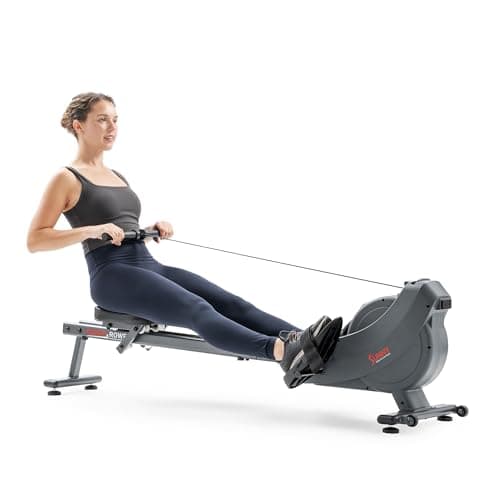
If you only buy one cardio machine, a magnetic rower is the most training per dollar and per square foot — full body, low impact, and it folds.
Type
Magnetic rowing machine
Muscles
Legs, back, arms
Impact
None
Storage
Folds upright
Pros
Trains far more of your body than a bike or a treadmill for the same money
Zero impact, which is what makes it sustainable for most people
Folds upright, so it is the rare machine that trains hard and stores small
Cons
Rowing has a real technique learning curve — bad form makes it a back exercise
The seat rail puts a rhythmic rumble into the floor; upstairs users need a dense mat
Needs more length than people expect when it is in use
Best for: one machine that trains everything.
Skip this
The budget traps that look cheap and cost you twice. We'd skip these.
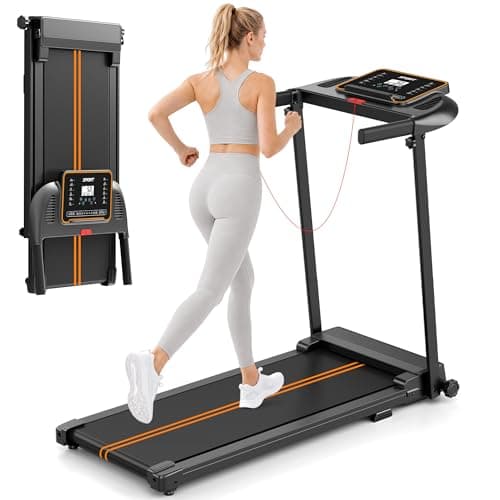
A cheap motorized treadmill bought for running
This is the single biggest waste of money in budget cardio. A small continuous-duty motor asked to carry a running adult for half an hour overheats, and the failure is terminal rather than gradual. If you want to run, either buy a walking pad and run outside, or save until you can afford real motor headroom. There is no cheap version of this one.
Anything sold on its console
Budget consoles measure cadence and a guessed calorie count, and their accuracy is poor across the entire price band. A built-in screen also cannot be replaced when its software stops being updated, whereas the phone in your pocket can. Buy frame, resistance and drive; put the console at the bottom of the list.
The cheapest machine in a category with a motor or a fan
The rule that actually predicts regret: the closer a machine gets to its own limits at normal use, the worse cheap gets. Motors and fans both scale cost with capability, so the bottom of those categories is genuinely under-specified. Magnetic resistance does not work that way, which is why the bottom of the bike and rower market is fine and the bottom of the treadmill market is not.
Buying for the workout you imagine, not the one you will do
The most expensive cardio machine is the one that does not get used. Almost everyone overestimates how much they will run and underestimates how much a machine has to be in the way to get used daily. Be honest about the session you will actually repeat on a wet Tuesday in February, and buy for that.
How to choose (and what to skip)
Ask what the cheap version removes
This is the only question that matters. On magnetic bikes, rowers and ellipticals, a lower price removes frame weight, console features and finish — none of which change how hard you can work. On motorized treadmills it removes motor headroom, which is the machine's core capability. Categories in the first group survive being cheap. The second does not.
Match the machine to the session you will repeat
Steady, long and easy points at a bike or a walking pad. Short and brutal points at a rower or a fan bike. Joint-limited points at a recumbent bike or an elliptical. The machine that suits your actual sessions is worth more than the machine with the better spec sheet, because it is the one that keeps getting used.
Noise is a hard constraint, not a preference
If you share walls or train while other people sleep, noise decides the purchase before anything else. Magnetic resistance is near-silent, rowers add a seat-rail rumble that a dense mat mostly fixes, and fan bikes and running treadmills are loud in ways no mat solves. Sort by noise first, then optimize inside what is left.
Count the floor space as part of the price
A folding machine and a permanent one at the same price are not the same purchase. A walking pad or a folding rower gives the room back between sessions; a bike or an elliptical takes a corner permanently. In a small home that difference is worth more than any spec, and it is the most common reason a machine gets sold on.
Budget for the two things that always get added
A dense mat under the machine and something to hold a phone or tablet. The mat protects the floor from sweat, kills a surprising amount of vibration, and costs very little. The holder is what turns a boring machine into one you will actually spend forty minutes on. Neither is optional in practice, so price them in from the start.
The category-by-category verdict
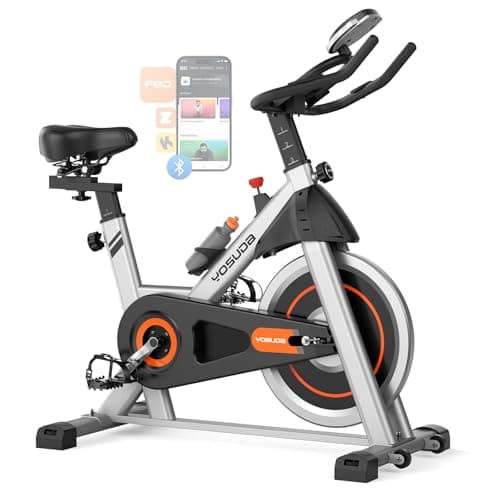
Bikes: cheap works. A magnetic indoor bike is the clearest case in budget cardio. The resistance is contactless, the effort comes from you, and the expensive versions mostly add a console and a heavier flywheel. Nothing about a budget bike limits how hard you can train. See the budget exercise bike roundup.
Rowers: cheap works. Same logic, plus a rower trains far more of your body per session. A magnetic rower is the best single-machine buy for most home gyms. The budget rowing machine roundup covers what to look for.
Walking pads: cheap works, within a strict limit. A walking pad is honest about being a walking machine, and its cheap motor is sized for that. Ask it to be a running treadmill and it becomes the category below. Is a walking pad worth it covers the honest limits.
Running treadmills: cheap does not work. The one category where the budget end is genuinely a false economy. Motor headroom is the capability, and there is no way to buy it cheaply. Is a cheap treadmill worth it goes through the motor spec that decides it.
Ellipticals: cheap is mixed. The category where the budget end gets worst fastest after treadmills. Short stride and light flywheels turn a glide into a shuffle, so the specs matter more here than anywhere else — the budget elliptical roundup covers the three that decide it.
Fan bikes: cheap works, loudly. The fan is the resistance, so a cheap air bike is exactly as punishing as an expensive one. What you give up is frame mass and fit adjustment, not difficulty. See the budget air bike roundup.
Two more honest routes worth knowing about. Non-electric treadmills sidestep the motor problem entirely and cost very little — the trade-offs are real and covered in manual vs electric treadmill. And buying second-hand is genuinely the best value in this category if you know what to check, which is what buying a used treadmill is for.
Where cardio fits in a budget gym
Cardio equipment is usually not the first thing to buy. A rack, a bar and plates build the capability that is hardest to replicate any other way, and running or walking outside is free. The case for buying a cardio machine is that it removes the excuses — weather, daylight, childcare — that stop the sessions happening at all. Our complete budget build sets out the order we would buy in.
Frequently asked questions
Are cheap cardio machines any good?+
It depends entirely on the category. Magnetic bikes and rowers are genuinely good cheap, because a lower price removes console features and frame weight rather than capability. Cheap motorized treadmills bought for running are genuinely bad, because the motor is the capability and there is no cheap version of it. Ask what the low price removes, and the answer is usually obvious.
What is the cheapest cardio machine worth buying?+
A folding walking pad, for most people. It is the cheapest machine in the category whose budget version is not compromised, it stores flat instead of taking a permanent corner, and daily walking is the activity people actually sustain. If you want to train hard rather than accumulate steps, a magnetic bike or rower is the better first machine.
Which cheap cardio machine burns the most calories?+
The one you use most often, which is a genuine answer rather than a dodge. Machine choice changes energy expenditure far less than session frequency and effort do. If you want the highest work rate per minute, a rower or a fan bike involves the most muscle mass. If you want the most total activity across a week, a walking pad usually wins because it fits into the day.
Is a cheap treadmill or a cheap exercise bike better?+
A bike, for almost everyone shopping at the budget end. A cheap bike has no meaningful compromise; a cheap treadmill has a small motor that is fine for walking and unreliable for running. If walking is genuinely the goal, a walking pad beats both on price and storage. If running is the goal, neither cheap option is right.
How much should you spend on a home cardio machine?+
Enough to clear the category's compromise point, which differs by machine. On bikes and rowers that point is low, and spending more mostly buys a console. On motorized treadmills it is high, because you are buying motor headroom. Live prices for every pick are shown above so you can see where each category currently sits rather than working from a stale number.
Prices and availability shown here come from Amazon's live data and change often; we re-verify them regularly. Bar Bumper is an Amazon Associate and earns a commission on qualifying purchases at no extra cost to you. Read our full disclosure.