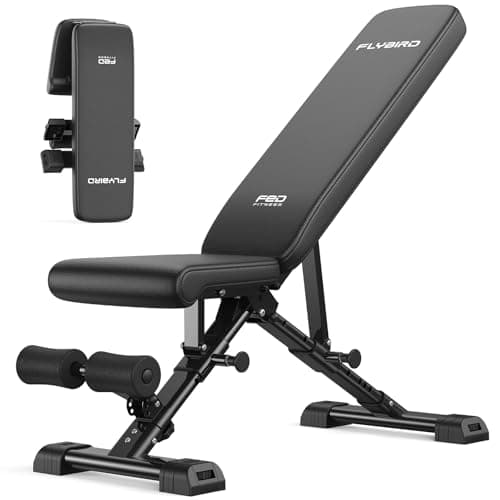
Best budget weight bench
Best budget weight bench: 5 cheap adjustable benches worth buying
The cheap adjustable and FID benches worth trusting under a loaded bar, ranked by our spec method.
Updated July 2026 · Stephen V.
A bench multiplies what your dumbbells and barbell can do. Here's how to buy a stable one cheap, and the wobble-prone ones to avoid.
A bench is the cheapest way to unlock half your program. With one you can press, do incline work, rows, hip thrusts, split squats, and step-ups. Without one, dumbbells and a barbell only get you so far. And it's a category where budget picks genuinely compete with expensive ones — a good $150 adjustable bench is stable enough for most home lifters.
The mistake budget buyers make: buying the lightest, cheapest folding bench for barbell work. Under a heavy press, a 20 lb bench feels unsafe and you stop pushing. Spend the extra $40-60 for a stable base — it's the difference between a bench you trust and one you replace.
Each with live prices, our spec-scoring, and the budget traps to skip.
The cheap adjustable and FID benches worth trusting under a loaded bar, ranked by our spec method.
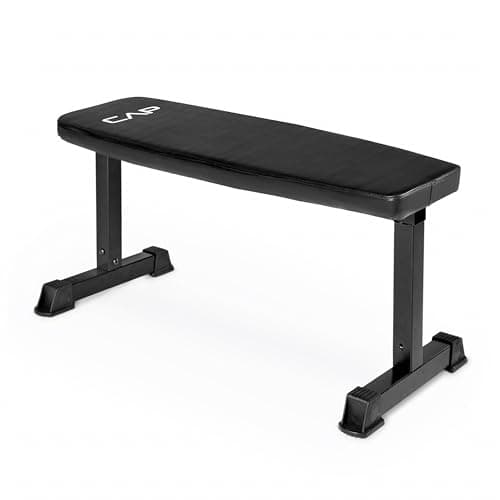
The cheapest flat benches worth pressing on, plus when to step up to an adjustable.
Budget FID benches ranked on rated capacity, pad gap, back-pad angles and stability.
The stability-versus-versatility trade-off between flat and adjustable benches, with picks for both.
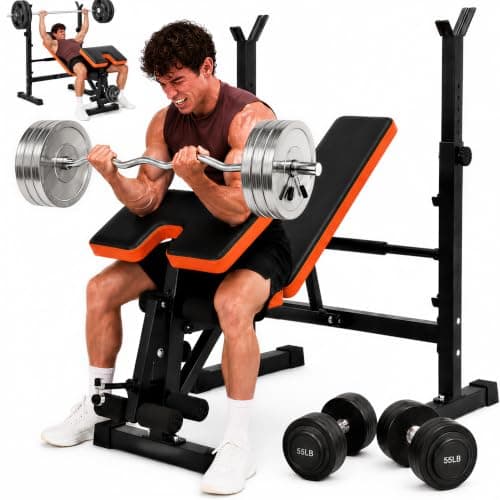
The cheapest way to start barbell pressing at home, and the category where capacity ratings matter most. The combo sets worth buying.
Our top pick
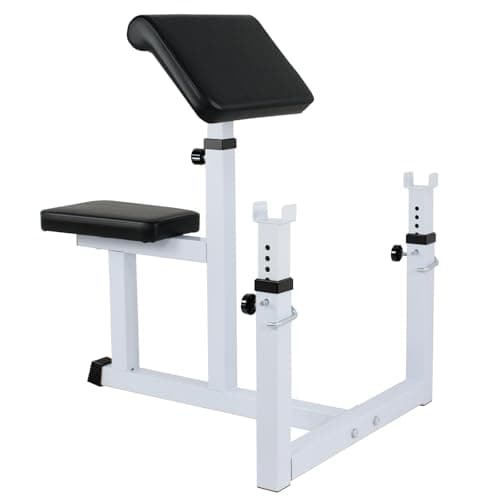
The pad that takes the swing out of curls. When it earns its space, the budget picks, and the free alternative.
These complete builds put every category together with a live, itemized total — so you know the real all-in cost before you buy a single piece.
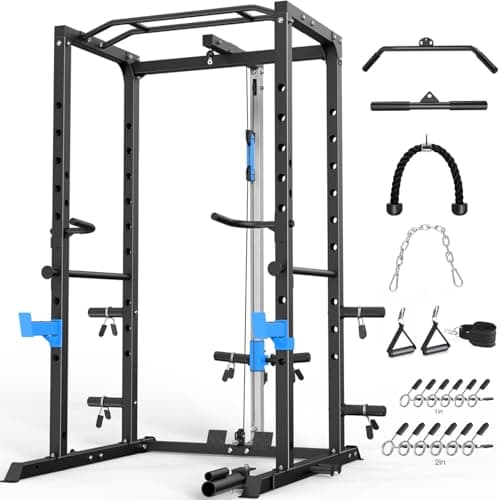
The whole build: one top pick per category, with a live total cost.
Our top pick
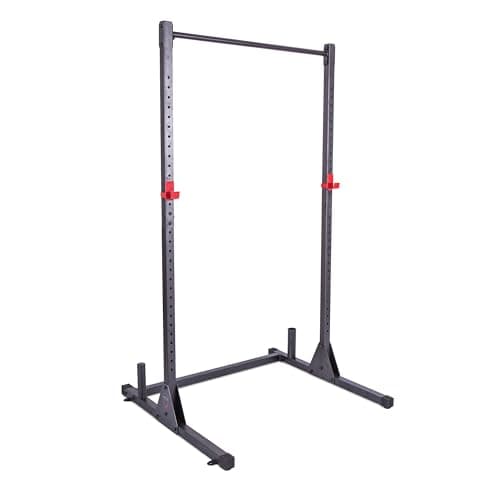
A full barbell gym — rack, bar, plates, bench, floor — under $500, priced live.