Written for a beer that has started tasting sour, foamy or stale. The fix takes about thirty minutes, and the schedule that stops it happening again.
Updated October 2026 · By Stephen V.
If your draft beer has turned sour, buttery, cloudy or suddenly foamy, the problem is almost never the keg — it is the beer line. The fix is to pump an alkaline beer line cleaner through the system, soak and brush the faucet, rinse until the water runs clean, and reconnect. It takes about thirty minutes and needs a cleaning kit, not a plumber.
Here is what is actually happening inside the line. Beer leaves behind three deposits: yeast and bacteria, which turn the beer sour and cloudy; beer stone, a hard calcium oxalate scale that builds on the line walls and shelters more bacteria; and protein and hop resin film, which kills head retention and makes beer pour flat. None of it rinses out with water, and all of it gets worse with time rather than with volume.
Two warnings before you start, because both of these ruin draft systems. Never use dish soap — it leaves a surfactant film that destroys head retention for months, and rinsing does not remove it. Never use bleach — it pits stainless steel, degrades vinyl line and leaves chlorine flavors that are very hard to clear. Use a purpose-made beer line cleaner and nothing else.
Everything below applies to any home kegerator, whether it is a converted fridge, a built-in unit or a standalone kegerator. Prices on the cleaning kits come live from Amazon with the date we verified them.
The short answer
In a hurry? These are the picks we'd buy. Prices are live; tap a card below for the full reasoning.
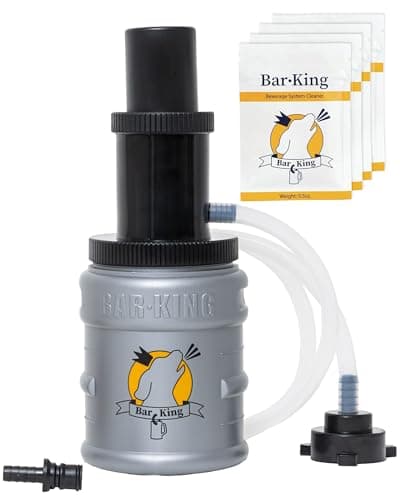
Bar-King Quick-Connect Kegerator Beer Line Cleaning Kit
A quick-connect kit that attaches like a keg coupler, so cleaning takes minutes rather than a disassembly job — the kit most likely to keep getting used.
Making the job quick enough that you actually do it fortnightly
Bar-King Quick-Connect Kegerator Beer Line Cleaning Kit
A quick-connect kit that attaches like a keg coupler, so cleaning takes minutes rather than a disassembly job — the kit most likely to keep getting used.
Type
Quick-connect cleaning kit
Connects
Like changing a keg
Includes
Cleaner and fittings
Best for
Regular fortnightly cleaning
Pros
Connects the way a keg does, so there is almost nothing to learn
Fast enough that the fortnightly schedule is realistic
Uses the system's own gas pressure to push cleaner through
The convenience is the point — the best kit is the one you use
Cons
Check the coupler type matches your system before ordering
More expensive than a basic hand-pump kit
Still needs the faucet taken apart and brushed by hand
Best for: Making the job quick enough that you actually do it fortnightly.
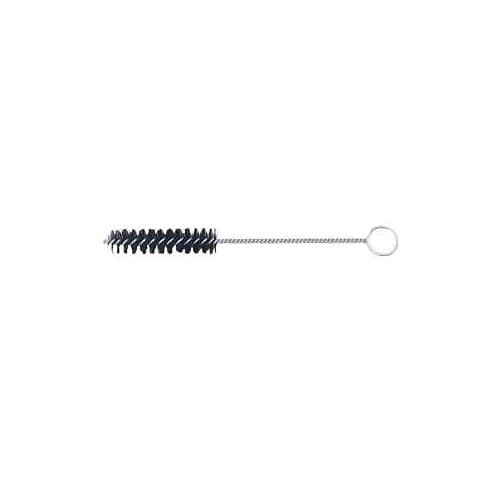
A nylon faucet brush — the cheapest item here and the one that fixes the problem most often, because no amount of pumped cleaner scrubs a faucet.
Type
Nylon faucet brush
Size
3/4 in
Use
Faucet bore and spout
Brand
Beverage Factory
Pros
The faucet is where yeast and mold actually accumulate visibly
Costs almost nothing and lasts for years
Pumped cleaner flows past deposits; a brush removes them
Fits standard 3/4-inch faucet bores
Cons
Not a cleaning system on its own — you still need line cleaner
Nylon bristles wear out eventually
Best for: Scrubbing the faucet, where most of the off-flavor lives.
Skip this
The budget traps that look cheap and cost you twice. We'd skip these.
Dish soap, in any quantity
Soap leaves a surfactant film on the inside of beer line and on glassware, and that film destroys head retention — beer pours flat and the foam collapses instantly. The effect persists through many rinses because the film bonds to the line wall. This is the single most damaging thing people do to a draft system while trying to help it, and recovering from it usually means replacing the line.
Bleach or any chlorine-based cleaner
Chlorine pits stainless steel faucets and shanks, degrades vinyl beer line, and leaves chlorophenol flavors — a medicinal, plastic taste — that are detectable at tiny concentrations and very hard to clear. Beer line cleaners are alkaline (caustic) rather than chlorinated for exactly this reason. Buy the right chemical; it costs very little.
How to choose (and what to skip)
Clean the lines every two weeks of dispensing
This is the commercial standard and it is the right target at home too. In practice, cleaning at every keg change works well if you get through a keg in two to four weeks. If a keg lasts you two months, clean mid-keg as well — the deposits build with time, not with how much beer you pour, so a slow keg is harder on a line than a fast one.
Use an alkaline beer line cleaner, and an acid one quarterly
Alkaline (caustic) cleaner removes the organic film: yeast, bacteria, protein and hop resin. It does not remove beer stone, which is a mineral scale and needs an acid cleaner. The usual home schedule is alkaline every two weeks, with an acid clean every three months or so to clear the stone before it gives bacteria somewhere to hide.
Always take the faucet apart
This is the step that gets skipped and it is where the visible problem usually lives. Pumped cleaner flows past deposits in a faucet rather than scrubbing them, and the inside of a neglected faucet grows a visible film. Use a faucet wrench to remove it from the shank, disassemble it, soak the parts in cleaner and brush the bore. A faucet brush costs very little and does more for the taste than anything else on this list.
Rinse until you cannot smell or taste the cleaner
Even no-rinse formulas should be flushed with clean water — the instruction means no sanitizing step is required afterwards, not that no water flush is needed. Run clean water through until it comes out with no slipperiness, no smell and no taste. Then pour and discard the first glass of beer after reconnecting the keg.
Replace the line rather than fighting it
Vinyl beer line is inexpensive, and line that has been badly neglected, used with soap, or left with beer in it for months is not worth rescuing. Beer stone that has built into a thick layer is extremely difficult to remove from vinyl, and the scale shelters bacteria no cleaner will reach. If the inside of the line looks cloudy, filmy or discolored when you hold it up, replace it and start the schedule properly.
What a dirty kegerator tastes like
The flavor tells you what is growing. Sour, vinegary or cidery means bacteria — usually lactic or acetic — in the line, and it is the most common complaint. Buttery or butterscotch suggests diacetyl, often from a bacterial film. Musty or mouldy points at the faucet rather than the line, where air reaches. Flat beer with no head usually means soap residue or a protein film. And beer that suddenly foams wildly is often attributed to temperature or pressure when the cause is a partially blocked line. If the beer tasted fine from the same keg a fortnight ago and tastes wrong now, cleaning is the answer, not the keg.
The clean, step by step
Turn off the CO2 at the regulator, then pull the pressure relief valve on the keg to vent it. Disconnect the coupler from the keg and take the keg out of the cabinet.
Mix the cleaner exactly to the dilution on the bottle. Stronger is not better — over-concentrated caustic damages seals and is harder to rinse out.
Fill the cleaning bottle or canister, connect it where the keg was, and push cleaner through the line until it runs clear and steadily out of the faucet.
Close the faucet and leave the cleaner to dwell in the line for about 15 minutes. This soak is what does the work; pushing cleaner straight through achieves far less.
While it soaks, use a faucet wrench to remove the faucet from the shank. Take it apart, drop the parts in a cup of cleaner, and brush the bore and the spout with a faucet brush.
Pull another short burst of cleaner through to carry away what the soak loosened, then empty the bottle and refill it with clean water.
Flush with clean water until there is no slipperiness, no smell and no taste of cleaner. Rinse the faucet parts in clean water too.
Reassemble the faucet, reconnect the keg, turn the gas back on, and pour and discard the first glass. The second glass is the one you drink.
Do not forget the coupler, drip tray and drain
The keg coupler is in constant contact with beer and has an internal check valve and a probe that both collect residue — take it off the keg, disassemble what comes apart, and soak and brush it alongside the faucet parts. The drip tray and its drain line are the other neglected spots: a drain line full of stale beer is a reservoir of bacteria sitting directly under the faucet, and it is a common source of a smell people blame on the beer. Flush the drain with hot water and cleaner, and wash the tray properly rather than rinsing it.
Cleaning the cabinet itself
Less urgent than the beer path, and worth doing every few months. Wipe the interior with a mild cleaner and dry it, check the floor of the cabinet for spilled beer that has run under the keg, and clean the fan and any vents so the cooling system can breathe. Check the door gasket too — a gasket that has gone stiff or torn lets warm humid air in, which causes condensation, mold around the seal and a compressor that runs constantly. A gasket is a cheap part and a replaceable one.
What to do if the beer still tastes wrong
Work through it in order. If the taste is still sour after a proper clean, the line itself is likely scaled or permanently fouled — replace it, which is cheap. If the beer is foaming rather than tasting bad, the cause is usually temperature or pressure, not cleanliness: beer above about 40°F foams on pouring, and so does beer pushed at too high a pressure for the length of line. If the beer is flat and headless after cleaning, suspect soap residue from a previous attempt. And if beer goes stale within days of tapping, check the CO2 is actually on and holding pressure rather than leaking at a fitting.
Is this worth it?
Thirty minutes a fortnight is the honest cost of owning a kegerator, and it is the part nobody mentions before buying one. It is not difficult and it is not optional — a neglected draft system produces beer noticeably worse than bottles, which defeats the purpose entirely. If that schedule sounds like more than you want, that is a genuinely useful thing to know before you buy: our guide to whether a kegerator is worth it covers the full running commitment, and a beverage fridge full of bottles and cans needs none of this.
Frequently asked questions
How often should you clean a kegerator?+
Clean the beer lines every two weeks of dispensing, which for most people means at every keg change. Deposits build with time rather than with volume poured, so a keg that lasts two months needs a mid-keg clean as well. Add an acid clean every three months or so to remove beer stone.
Why does my kegerator beer taste sour?+
Almost always bacteria in the beer line rather than a bad keg. Lactic and acetic bacteria build a film inside the line and turn the beer sour, vinegary or cidery. If beer from the same keg tasted fine two weeks ago, the line is the cause — pump an alkaline beer line cleaner through, soak and brush the faucet, and rinse thoroughly.
Can you clean beer lines with soap?+
No, and it is the most damaging mistake in draft cleaning. Dish soap leaves a surfactant film on the line wall that destroys head retention, so beer pours flat and the foam collapses. It persists through many rinses and usually means replacing the line. Use a purpose-made alkaline beer line cleaner instead.
Can you use bleach to clean a kegerator?+
No. Chlorine pits stainless steel faucets and shanks, degrades vinyl beer line and leaves medicinal chlorophenol flavors that are detectable at very low concentrations and hard to clear. Beer line cleaners are deliberately alkaline rather than chlorinated. Use the correct chemical — it is inexpensive.
What do you need to clean a kegerator?+
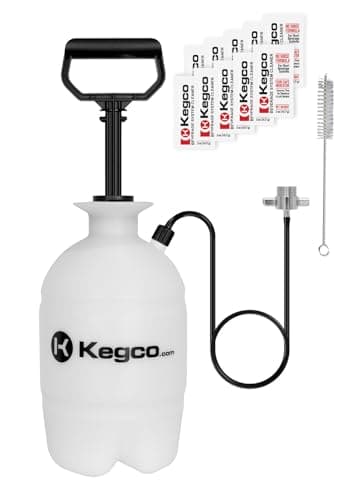
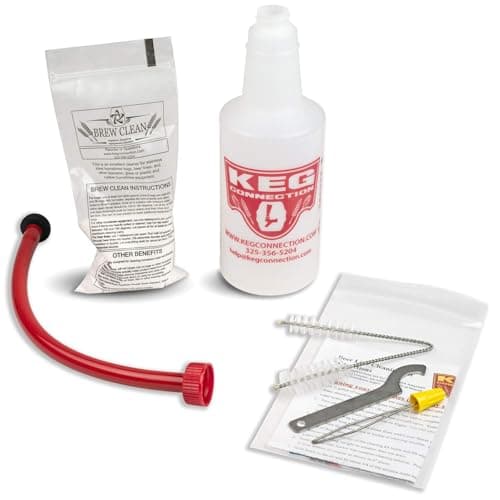
A beer line cleaning kit — either a quick-connect type that attaches like a keg coupler or a pressurized hand-pump bottle — plus alkaline beer line cleaner, a faucet wrench to remove the faucet, and a nylon faucet brush. The brush is the cheapest item and the one that fixes the taste most often.
How long does it take to clean a kegerator?+
About thirty minutes, most of which is a 15-minute soak where the cleaner does the work while you disassemble and brush the faucet. The actual hands-on time is roughly ten minutes once you have done it twice.
Should you clean beer lines or replace them?+
Clean them on schedule, and replace them if they have been neglected. Vinyl line is cheap, and line with thick beer stone, soap residue or months of stale beer in it is not worth rescuing — the scale shelters bacteria no cleaner will reach. If the line looks cloudy or discolored held up to the light, replace it.
Prices and availability shown here come from Amazon's live data and change often; we re-verify them regularly. Bar Bumper is an Amazon Associate and earns a commission on qualifying purchases at no extra cost to you. Read our full disclosure.