Start with the floor, because it decides everything
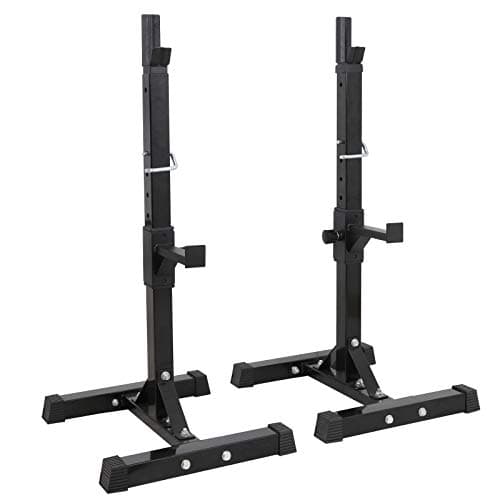
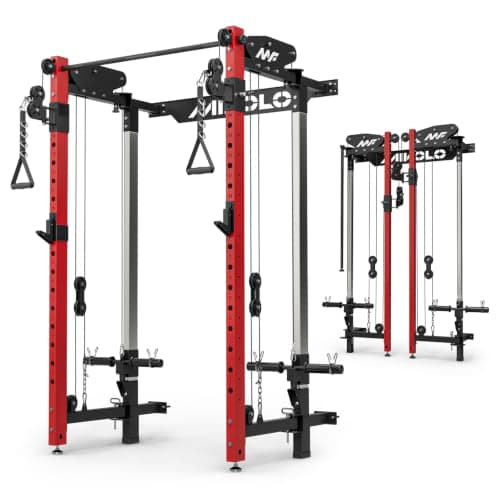
This is the question that separates a shed gym from a garage gym. A concrete slab will take anything you put on it. A timber floor on bearers has a load limit, and the loads in a gym are concentrated: a loaded rack puts several hundred pounds through four small feet, and a dropped deadlift applies far more than the static weight for an instant.
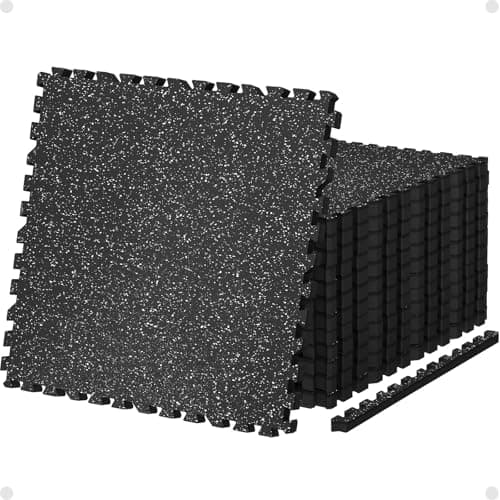
The practical approach is to spread the load and keep the heaviest things over the strongest points. Position the rack so its feet sit over or near the bearers rather than mid-span. Put a sheet of plywood under the rack footprint to spread the point loads, then rubber over that. And be honest about dropping weight: on a suspended timber floor, dropping loaded bars is usually the thing to give up.
If you do not know how the floor is built, look underneath. Bearer spacing, timber size and the condition of the underside tell you more than any online rule of thumb, and rot at the perimeter is common in older sheds.
Damp is the second problem
Sheds breathe. Warm days and cold nights produce condensation on every cold surface, and a shed full of steel is a lot of cold surface. Left alone, that is how a bar develops rust in a single season.
Three things help disproportionately. Ventilation, so moist air can leave rather than condensing — a couple of vents beats a sealed box. Getting iron off the floor and onto racks, since the floor is the coldest and dampest surface. And a small dehumidifier if the shed has power, which is the single most effective fix in a genuinely damp structure. Our rust prevention guide covers maintenance in detail and applies directly.
Power, light and heat
Many sheds have no power, and that limits you to equipment that needs none — which, for a strength gym, is nearly everything. Bars, plates, racks, benches, rings and ropes all work in an unpowered shed. What you lose is cardio machines, a dehumidifier, decent lighting and any heating.
If you are adding power, that is qualified-electrician work: an outbuilding supply has specific requirements and it is not a job for an extension lead run under a door. A long extension lead as a permanent solution is a genuinely bad idea in a damp wooden building.
For heat, the same logic as a garage applies but more so, because a shed is even less insulated. Cover the floor, stop the drafts, and use a modest heat source before and during the session. Our garage heating guide covers the safety rules, which matter more in a wooden building than a masonry one.
Ceiling height and layout
Sheds are usually short. Measure to the lowest point — often a roof truss or a purlin rather than the apex — and plan around that number. Pull-ups and standing overhead presses are the two casualties, and both have workarounds covered in our low-ceiling guide.
On layout, put the heaviest static items against the structurally strongest points, keep a clear path to the door, and leave more room around the bar than feels necessary — a 7-foot bar needs about 8 feet of clear width to load safely, which is more than many sheds have across their narrow dimension. Our space guide covers the working dimensions.
Security and insurance
A shed full of equipment is a more attractive target than a shed full of garden tools, and sheds are the least secure structure on most properties. A decent hasp and padlock, hinges that cannot be unscrewed from outside, and not advertising the contents through a window are cheap and sensible.
Worth checking too: many home insurance policies treat outbuilding contents differently from house contents, often with a separate and lower limit. If you are moving a few thousand dollars of equipment into a shed, that is a five-minute phone call worth making before rather than after.
What it costs, roughly
If the shed exists and is sound, the conversion costs are flooring, some ventilation, a padlock and possibly a dehumidifier — a modest total against the value of a permanent dedicated space. If the shed needs a new floor, insulation or a power supply, the numbers change substantially and it becomes a building project.
Either way the equipment budget is the same as any other home gym, and our price-tier builds apply directly: the under $500 build fits comfortably in a small shed, and the under $1,000 build is about as much as most shed floors should be asked to carry.
Prices and availability shown here come from Amazon's live data and change often; we re-verify them regularly. Bar Bumper is an Amazon Associate and earns a commission on qualifying purchases at no extra cost to you. Read our full disclosure.