Best budget home gym equipment brands — and what each is actually good at
No brand is good at everything. The useful question isn't which brand is best, it's which one is best at the specific thing you're buying.
Updated August 2026 · By Stephen V.
Brand matters less in home gym equipment than in almost any other category, and it matters in a specific, narrow way. A cast-iron plate is a cast-iron plate — the logo on it changes nothing about how heavy it is. But a rack's steel gauge, a bench's pad gap, a treadmill's motor and an adjustable dumbbell's selector mechanism are all things where a manufacturer's track record genuinely predicts whether the thing will still be good in five years.
So the useful framing isn't a leaderboard. It's a map: which brands have earned trust in which category, where a well-known name is worth a premium, and where you're paying for a logo on a commodity. Below is that map for the budget end of the market, followed by the specs that matter more than any brand name.
The short answer
In a hurry? These are the picks we'd buy. Prices are live; tap a card below for the full reasoning.
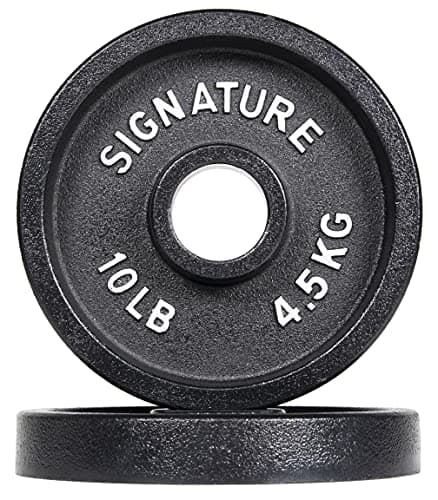
Signature Fitness Deep Dish Olympic Cast Iron Plates
Where you buy weight by the pound rather than by the brand — plain iron, priced like a commodity.
Strong in
Cast iron and bumper plates
Weak in
Complex mechanisms
Signature spec
Dollars per pound
Buy for
The cheapest honest weight
Pros
Consistently among the lowest cost per pound
Plates are sold in single weights and pairs, so you buy exactly the jump you need
Cast iron has essentially no failure mode
Cons
The bar-and-plate bundles they were known for come and go from stock
Coating and casting finish varies
Shipping damage is the main owner complaint
Best for: cast-iron plates bought by the pound.
Skip this
The budget traps that look cheap and cost you twice. We'd skip these.
Paying a premium brand price for commodity iron
Cast-iron plates, cast-iron kettlebells and plain steel dumbbells have no meaningful quality variation between reputable budget brands. A 45 lb plate weighs 45 lb whoever cast it. Buy these on price per pound and shipping, and spend the saving on the pieces where engineering actually matters.
Brand-new names with no track record on safety gear
Racks and benches are the two places where a manufacturer's history genuinely matters, because you're trusting the design under load. A brand with three months of listings and no service history is a bad bet on a rack, even if the specs read well. The specs are what they claim; the track record is what happened.
Assuming a good brand is good in every category
The most common brand mistake. A company excellent at cardio is not automatically good at racks, and a great bench maker may have a mediocre dumbbell. Buy the brand for the category it's known for, not for the logo.
Where brand genuinely matters
Three categories, and it's worth knowing why each one is on the list.
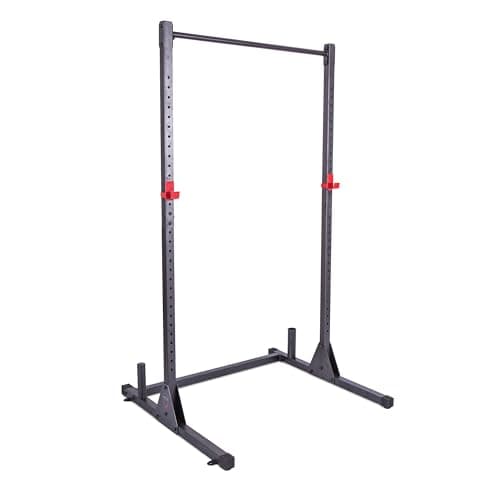
Racks. You're trusting a frame with a loaded barbell above you. The published specs — steel gauge, tube size, capacity — tell you what the manufacturer intends; the track record tells you whether their intentions have historically matched reality. A brand with years of racks in service and consistent owner feedback is meaningfully safer than an identical spec sheet from a name that appeared last quarter.
Anything with a mechanism. Adjustable dumbbell selectors, bench locking ladders, treadmill motors, cable pulleys. These are the parts that fail, and failure rates are a manufacturing quality issue that no spec sheet captures. This is where established names earn their small premium.
Anything you'd want a replacement part for. A snapped cable or a lost pop-pin is a minor annoyance if the brand still exists and stocks parts, and a dead machine if it doesn't. Longevity of the company is a spec, even though nobody lists it.
Where brand doesn't matter at all
Cast iron. Plates, kettlebells, fixed dumbbells, weight stacks. These are commodities: the metal is the product, the manufacturing is a mold, and the failure mode is essentially "you dropped it on concrete." Buy them on dollars per pound, on whether the coating is the type you want, and on shipping cost — which for heavy iron is often the biggest variable of the three.
The same is broadly true of flooring, mats, bands and mirrors. Specs matter (rubber versus foam, tempered versus not) and brands mostly don't. Our plate roundup and flooring roundup are both organized around the specs rather than the labels for exactly this reason.
The budget brand landscape, by category
Racks and cages — a mix of long-established general brands and newer specialist names. The established ones are the safer default; the newer ones sometimes offer better specs per dollar. Judge on steel gauge, tube size and frame weight first, brand second.
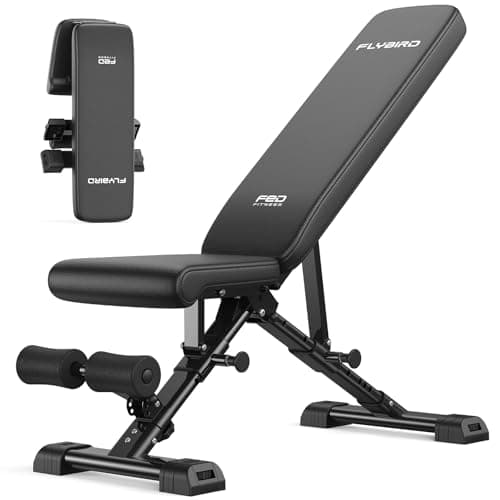
Benches — specialists win here. The brands that make benches and little else tend to have solved pad gap and locking, which the generalists often haven't.
Adjustable dumbbells — the widest quality spread of any category. Metal mechanisms from named brands are reliable; unbranded plastic-selector sets are the one genuine trap. See our adjustable dumbbell picks.
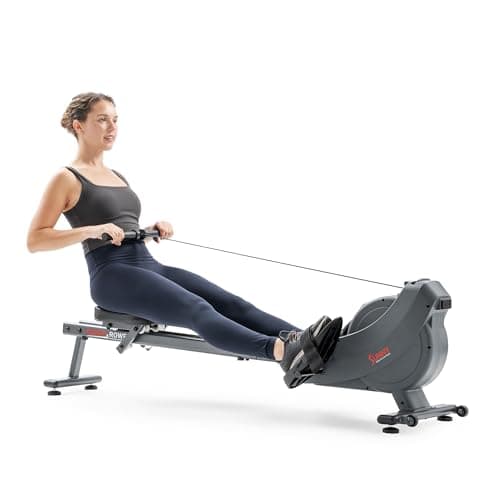
Cardio — the category where support and parts matter most, because there's a motor or a mechanism that will eventually need something. Established cardio names are worth the small premium.
Cable and plate-loaded machines — a young, fast-moving segment with several newer brands doing genuinely good work at low prices. Check the pulley ratio and the mounting requirements rather than the badge.
Iron, flooring, bands, mirrors — commodities. Buy on spec and price.
What to check instead of the brand
In practice, five checks predict quality better than any name:
Is the critical spec published? Steel gauge and tube size on a rack, rated capacity on a bench, continuous-duty horsepower on a treadmill. A manufacturer proud of the number prints it. A vague listing is telling you something.
Does the shipping weight match the claim? A rack rated for thousands of pounds that weighs 50 lb is mostly air. Frame weight is the hardest number to fake and one of the most informative.
What do owner reviews complain about repeatedly? Not the one-star outliers — the pattern. Recurring complaints about a specific part are a design problem; scattered complaints are shipping.
Does a replacement-parts page exist? Its existence tells you the company expects to still be here.
Is the warranty specific? "Lifetime frame, one year parts" is a real warranty. "Lifetime warranty" with no breakdown usually isn't.
That's the same method we apply on every roundup, and it's set out in full on our how we pick page — including the part where we say plainly that we haven't tested any of it in a lab.
About the brands not on this page
There are excellent home gym brands we don't cover, for one simple reason: they don't make budget equipment. The premium end of the market builds genuinely better racks and bars, and if your budget stretches there, they're worth the money. But this site exists for the buyer trying to get ninety percent of the result for forty percent of the price, and at that price the premium names aren't in the conversation.
What we'd say instead is this: at the budget end, the difference between a good purchase and a bad one is almost never the logo. It's whether the specs are published, whether the frame weight is honest, and whether the thing with a mechanism in it comes from someone who's made a few thousand of them before. Get those three right and you can buy well from a brand you'd never heard of last week.
Frequently asked questions
What are the best budget home gym equipment brands?+
It depends entirely on the category. Long-established general brands are the safe default for plain steel — plates, bars, flat benches and racks. Bench specialists tend to make the best adjustable benches. Established cardio names are worth a small premium because parts and support matter on anything with a motor. No single brand is best across the board.
Does brand matter for weight plates and dumbbells?+
Barely. Cast iron is a commodity — a 45 lb plate weighs 45 lb whoever cast it, and the failure mode is dropping it on concrete. Buy iron on dollars per pound, coating type and shipping cost. Save the brand consideration for racks, benches, and anything with a mechanism that can fail.
Are cheap unbranded gym equipment brands safe?+
Sometimes, and the way to tell isn't the name. Check that the critical spec is published (steel gauge and tube size on a rack, rated capacity on a bench), that the shipping weight is consistent with the claimed capacity, and that owner reviews don't show a repeated pattern of the same part failing. An unbranded rack with published specs and honest frame weight beats a known name with a vague listing.
Is it worth paying more for a well-known gym equipment brand?+
On racks, benches, adjustable dumbbells and cardio — often yes, because those are the places where manufacturing consistency and the availability of spare parts genuinely predict how long the thing lasts. On cast iron, flooring, bands and mirrors — no. Those are commodities where a premium buys a logo.
How can I tell if a gym equipment brand will still exist in five years?+
Look for a replacement-parts page and a specific, itemized warranty. A company that stocks spares and writes 'lifetime frame, one year parts' rather than a vague 'lifetime warranty' is one that expects to be around to honor it. It's not a guarantee, but it's the best signal available before you buy.
Prices and availability shown here come from Amazon's live data and change often; we re-verify them regularly. Bar Bumper is an Amazon Associate and earns a commission on qualifying purchases at no extra cost to you. Read our full disclosure.