Cheap safety squat bars: the budget SSBs actually worth buying
A safety squat bar lets you squat heavy without wrecking your shoulders, and the cheap ones copy the shape well. Here is what the price gap actually buys, and which bars are worth it.
Updated September 2026 · By Stephen V.
A safety squat bar is a cambered bar with a padded yoke and two forward handles. You hold the handles in front of you instead of pinning your hands behind the bar, the weight sits slightly forward and low, and your torso stays more upright than in a back squat. That is the whole product, and it solves a real problem: a lot of people who have stopped squatting stopped because their shoulders, wrists or elbows could not tolerate the low-bar position, not because their legs gave out.
The reason this page exists is the price spread. The best-known safety squat bars sit in the same price bracket as a whole budget power rack, and the listings on Amazon start at under a third of that. So the honest buyer question is not “which SSB is best?” but “is the cheap one the same thing?” Mostly, yes. The cambered shape, the yoke and the handles are simple to copy. What the extra money buys is a thicker shaft with a published steel rating, sleeves that spin, a higher load rating, a better pad and a rackable geometry that fits more racks. Whether any of that matters depends on how heavy you squat.
Below are the bars we would put in a cart at each price, the criteria that separate them, and a straight answer to whether you need one at all. We have not tested any of these ourselves — we read the published specs, compare them, and say so.
The short answer
In a hurry? These are the picks we'd buy. Prices are live; tap a card below for the full reasoning.
$349.998% offPrice as of September 15, 2026·#addisclosure
Quick picks
#
Product
Best for
Score
Price
1
Best overall value
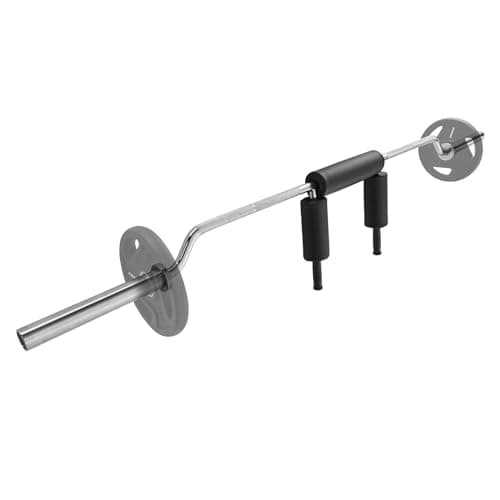
VEVOR Safety Squat Bar, 700 lb (YQ-001, 28 mm)
The budget default: a cambered, padded 700 lb bar from a brand with a real spec sheet, at a price that makes the premium bars hard to justify unless you squat very heavy.
most home lifters, and the cheapest bar here from a brand that publishes a model number
The same design one tier up: a 32 mm shaft and a 1,500 lb rating for a modest step in price, which is where the value curve stops rising for most people.
lifters who want a thicker shaft and a 1,500 lb rating without paying premium-brand money
$215.9010% offPrice as of September 15, 2026·#addisclosure
3
Best mid-range, buy-once
Titan Fitness Rackable Safety Squat Bar (1,500 lb)
The bar the budget listings are copying: a 38 mm shaft, a 5 in drop, rubber 35 mm grips and a single-piece pad, with every dimension published so you can check it fits your rack before you buy.
a bar with a full published spec sheet that you never expect to replace
$349.998% offPrice as of September 15, 2026·#addisclosure
4
Best premium reference
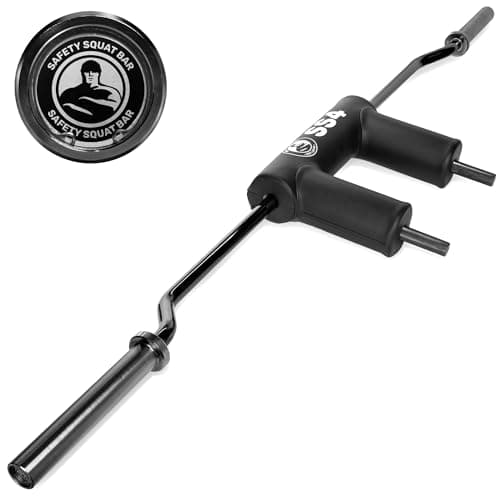
Bells of Steel Safety Squat Bar 4.0 (SS4)
The one well-known premium SSB you can buy on Amazon: a 100,000 PSI shaft, needle-bearing sleeves and threaded handle posts that take optional grips. Superb, and more bar than a budget gym needs.
seeing exactly what the premium price buys — and deciding you probably do not need it
The budget default: a cambered, padded 700 lb bar from a brand with a real spec sheet, at a price that makes the premium bars hard to justify unless you squat very heavy.
Model
YQ-001
Rated capacity
700 lb (mfr)
Shaft
28 mm
Length
87 in
Bar weight
44.5 lb (mfr)
Sleeves
2 in Olympic
Pros
Cheapest pick on this page from a brand that publishes a model number, a spec table and a weight, rather than an anonymous listing
700 lb rating is more than the vast majority of home lifters will ever load on a squat bar
Bar weight is close to a standard 45 lb Olympic bar, so loading math stays simple
Cons
28 mm shaft is the thinnest here — fine at home-gym loads, but the thicker premium shafts are the reason those bars are rated higher
Sleeves do not spin like a good straight bar, which does not matter on a squat but rules it out as a general-purpose bar
VEVOR's camber and pad-spacing figures come from its own Q&A answers rather than the spec table, so treat them as approximate
Best for: most home lifters, and the cheapest bar here from a brand that publishes a model number.
$215.9010% offPrice as of September 15, 2026·#addisclosure
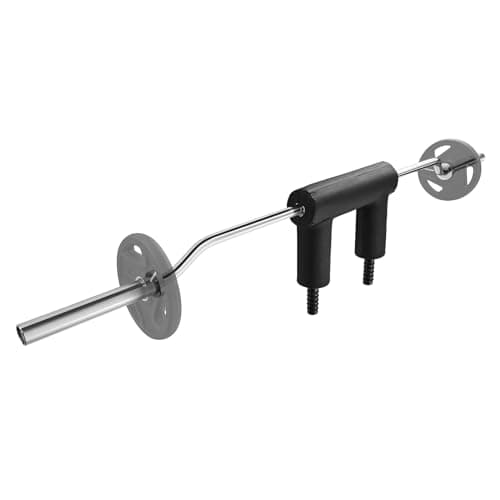
VEVOR Safety Squat Bar, 1,500 lb (YQ-002, 32 mm)
The same design one tier up: a 32 mm shaft and a 1,500 lb rating for a modest step in price, which is where the value curve stops rising for most people.
Model
YQ-002
Rated capacity
1,500 lb (mfr)
Shaft
32 mm
Length
87 in
Bar weight
48.5 lb (mfr)
Sleeves
2 in Olympic
Pros
32 mm shaft and a 1,500 lb rating match the premium bars on paper, at a fraction of their price
Same 87 in length as the 700 lb model, so it fits the same racks
A modest premium over the 700 lb bar buys a meaningful step in rated strength
Cons
Costs noticeably more than the 700 lb bar for a rating most home lifters will never approach
48.5 lb bar weight is heavier than a standard bar, so remember to add the difference when you load it
Still no spinning sleeves and no published steel tensile figure — the rating is a load number, not a materials spec
Best for: lifters who want a thicker shaft and a 1,500 lb rating without paying premium-brand money.
$349.998% offPrice as of September 15, 2026·#addisclosure
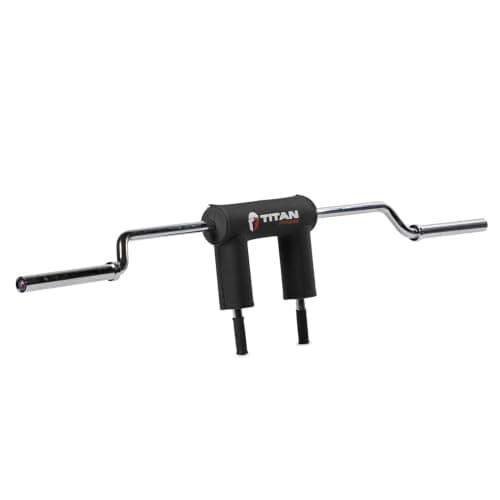
Titan Fitness Rackable Safety Squat Bar (1,500 lb)
The bar the budget listings are copying: a 38 mm shaft, a 5 in drop, rubber 35 mm grips and a single-piece pad, with every dimension published so you can check it fits your rack before you buy.
Rated capacity
1,500 lb (mfr)
Shaft
38 mm
Length
90.5 in
Rackable width
50 in (mfr)
Loadable sleeve
14.75 in
Camber drop
5 in
Bar weight
58 lb (mfr)
Pros
Titan publishes the full geometry — rackable width, sleeve length, pad width, drop — so rack fit is a fact rather than a guess
Thick 38 mm shaft and one-piece HeftyGrip pad are the two upgrades the budget bars do not offer
Rubber 35 mm handles are easier on the hands than bare steel over a long set
Cons
About three times the price of the budget pick, for a rating most home lifters will never test
58 lb is a heavy bar; if your plates are limited, that is 13 lb of your load budget gone before the first plate
Titan sells it direct and often runs it on sale there — compare the Amazon price against Titan's own store before you buy
Best for: a bar with a full published spec sheet that you never expect to replace.
The one well-known premium SSB you can buy on Amazon: a 100,000 PSI shaft, needle-bearing sleeves and threaded handle posts that take optional grips. Superb, and more bar than a budget gym needs.
Rated capacity
1,500 lb (mfr)
Shaft
32 mm, 100,000 PSI (mfr)
Sleeves
Needle-bearing rotation
Handles
Straight, knurled, 7.25 in usable; threaded for optional grips
Rack fit
Up to 49 in between J-cup outer edges (mfr)
Bar weight
45.6 lb (listing)
Finish
Black titanium plating
Pros
The only bar on this page with a published tensile-strength figure for the shaft, which is what a load rating should be backed by
Needle-bearing sleeves and a hard plated finish are straight-bar quality touches none of the budget bars offer
Threaded handle posts take Bells of Steel's optional Spider, Seal Row and Chain handles, so one bar can do more jobs later
Cons
Costs about as much as a complete budget power rack — that money builds more gym than it buys bar for most readers
Bells of Steel does not publish the bar's length, sleeve length or camber measurement on its own spec page; the 45.6 lb weight comes from the listing
The spinning sleeves and premium finish matter far less on a squat bar than on a bar you press and pull with
Best for: seeing exactly what the premium price buys — and deciding you probably do not need it.
Skip this
The budget traps that look cheap and cost you twice. We'd skip these.
Anonymous listings with no brand, model number or manufacturer page
Several of the cheapest safety squat bars on Amazon are sold under a title alone — no brand you can look up, no model number, no spec sheet anywhere but the listing. Some of them are probably the same bar as the budget pick above with a different sticker, but you cannot verify that, and a bar you are going to put several hundred pounds on and then stand under is not the place to guess. The saving over a bar with a published spec table is small; the difference in accountability is not.
Treating the word 'safety' as a spotter
The name refers to the yoke-and-handles design, which keeps your hands in front of you and your shoulders out of the bar. It says nothing about failing a rep. A safety squat bar dumped forward in a rack with no safeties set is exactly as dangerous as a straight bar dumped forward. Set the safety arms or straps before every set, the same as you would with any other bar.
Buying an SSB before you own a rack that fits it
Every safety squat bar needs to be racked at shoulder height, and the loadable sleeves sit further from the ends than on a straight bar. Check the bar's rackable width against the outside width of your J-cups before buying. Titan publishes 50 in; Bells of Steel publishes a 49 in maximum between the outer edges of the J-cups; VEVOR publishes an overall length but not a rackable width. If in doubt, measure your rack and ask the seller before you order.
Paying premium money because you plan to squat heavy 'one day'
Every bar on this page is rated at least 700 lb, and three are rated 1,500 lb. Nobody buying their first home-gym SSB is going to exceed the budget bar's rating before they outgrow everything else in the gym. Buy the cheaper bar now, spend the difference on plates or a better bench, and revisit if you ever genuinely get near its rating.
How to choose (and what to skip)
Decide whether you need one at all
A safety squat bar earns its space if a straight bar hurts to hold in the squat position, if you are working around a shoulder or elbow injury, or if you want a more upright, quad-heavy squat variation without learning the front squat. If you squat comfortably with a straight bar and are not short of variations, it is a nice-to-have, not a need. Be honest about which of those describes you before spending anything.
Rated capacity: enough is enough
The 700 lb rating on the budget pick is more than most home lifters will ever put on a squat bar; the 1,500 lb rating on the others is a specification borrowed from powerlifting gyms. A higher rating is not worthless — it usually means a thicker shaft that flexes less under a heavy walk-out — but it stops being worth paying for well before the premium bars. Match it to the weight you realistically expect to squat in the next few years, not to the biggest number on the page.
Shaft diameter is the spec behind the rating
Budget SSBs run 28 to 32 mm; the Titan runs 38 mm. A thicker shaft flexes less and is the main reason the higher-rated bars are rated higher. Only Bells of Steel publishes a tensile-strength figure for its steel, which is the number that would let you compare bars properly. In its absence, take the diameter and the load rating together and treat both as the manufacturer's claim rather than a tested fact.
Rack fit: check it before you buy
Safety squat bars are longer between the sleeves than they look because the camber and the yoke take up length. Titan publishes a 50 in rackable width and Bells of Steel a 49 in maximum between the outer edges of your J-cups, which covers most consumer power racks. VEVOR publishes only an overall length. Measure across the outside of your own J-cups first; if you own a narrow squat stand, make sure the bar will actually sit in it.
Pads and handles decide whether you use it
The pad is what the bar rests on for every rep, and the handles are what you steer with. Titan describes its pad as one-piece high-density foam and Bells of Steel promises no bar roll; VEVOR says foam cushioning and nothing more. A one-piece pad cannot rotate independently on the shaft, which is the usual complaint about cheap bars. Rubber or knurled handles are easier to hold for a long set than bare painted steel. None of this changes what the bar can lift, but it changes how much you want to use it, which is what matters on a bar bought for comfort.
Remember the bar weight
These bars are heavier than a standard Olympic bar and they vary: the budget pick is close to 45 lb, the step-up is a little over 48, and the Titan is 58. The Titan is effectively a standard bar plus a 10 lb plate and change before you load anything. Write the bar weight on a piece of tape on the sleeve, because the number you have in your head from a straight bar will be wrong.
What a safety squat bar actually does
Three things, all mechanical. First, the padded yoke sits across your traps and shoulders so the load does not need to be balanced on bare steel, and the forward handles mean your arms stay in front of you rather than externally rotated behind the bar. That is the shoulder-and-elbow relief people buy it for. Second, the camber puts the sleeves slightly forward of and below your shoulders, which pulls your center of mass forward and makes the bar try to fold you over. You fight that by keeping your torso upright, which loads the quads and the upper back harder than a low-bar back squat. Third, because you are not gripping a bar behind your head, you can do things a straight bar makes awkward — hands-free squats holding the rack for balance, good mornings, lunges and split squats without a bar sliding down your back.
What it does not do is make the squat itself safer. The safeties on your rack do that. If you train alone, our guide on how to lift weights alone safely is more important than any bar, and a power rack with proper safety arms is the piece of equipment that actually catches a failed rep.
Is a safety squat bar worth it?
For the right person, yes, and cheaply. If a straight bar hurts your shoulders in the squat, an SSB at the budget end of this page is the difference between squatting and not squatting, and that is worth more than almost anything else you could spend the same money on. If you already squat comfortably, it is a variation. A good one — the upright position and the forward camber make it a genuinely different stimulus for the quads and the upper back — but a variation, and one that sits behind a trap bar in most people's priority order, because a trap bar changes what you can deadlift while an SSB changes how you squat something you already can.
The price question is easier than the need question. The premium bars are excellent and the difference is real: thicker shafts, published steel ratings, spinning sleeves, better pads. But every one of those improvements matters most at loads a home gym rarely sees. The budget bars have copied the parts of the design that do the job for a normal lifter, and they have done it at a price where the sensible move is to buy one and find out whether you actually use it before spending premium money.
Budget SSB vs premium SSB: where the money goes
Shaft. Budget bars: 28-32 mm, load-rated but with no published steel grade. Premium bars: 32-38 mm, and Bells of Steel publishes 100,000 PSI. Thicker flexes less under a heavy walk-out.
Sleeves. Budget bars: fixed. Premium: needle bearings on the Bells of Steel. Rotation matters little on a squat bar; it is a quality signal more than a training difference.
Pads. VEVOR describes foam cushioning and nothing more. Titan describes a one-piece high-density pad and Bells of Steel a dense foam pad with no bar roll; a one-piece pad cannot rotate independently on the shaft, which is the usual complaint about cheap bars.
Handles. Budget bars: fixed, often bare. Titan: 35 mm rubber. Bells of Steel: knurled straight handles on threaded posts that take optional grips.
Published geometry. Titan publishes rackable width, sleeve length, pad width and drop. Bells of Steel publishes rack fit but not length or camber. VEVOR publishes length, weight and diameter, with the rest in Q&A answers. The more that is published, the less you are guessing about rack fit.
Finish. VEVOR does not state a finish in its spec table. Titan: chrome. Bells of Steel: black titanium plating. In a damp garage the better finish is the one difference here that shows up in year two — see preventing rust in a garage gym.
Do you need a rack for a safety squat bar?
Yes, in practice. You cannot clean a cambered, yoked bar to your shoulders the way you might a light straight bar, so it has to start at shoulder height on J-cups. That makes an SSB a purchase for people who already own a rack or stand, and it makes rack fit the first thing to check. If you are still deciding on the rack, do you need a power rack and power rack vs squat stand cover that decision; buy the rack first and the specialty bar second, every time.
Where this sits in a budget build
After the rack, the straight bar, the plates and a bench, and after a trap bar if you deadlift. A safety squat bar is the third bar most budget gyms buy, and it is a bar that some gyms never need at all. The complete budget build sets out the order we would follow; the best budget barbell and cheap weight plates roundups cover the two purchases that should come first. If you are choosing between specialty bars, the EZ curl bar is cheaper and the trap bar changes more, and the SSB is the one to buy when the reason is your shoulders.
Frequently asked questions
Is a cheap safety squat bar as good as an expensive one?+
For a normal home lifter, close enough that the price gap is hard to justify. The cheap bars copy the shape, the yoke and the handles, which is what does the job. The expensive bars add a thicker shaft with a published steel rating, sleeves that spin, a one-piece pad and fully published rack-fit dimensions. Those matter most at heavy loads and over many years. Buy a budget bar from a brand that publishes a model number and a spec table, and step up only if you find you use it heavily and often.
Is a safety squat bar worth it?+
If a straight bar hurts your shoulders, wrists or elbows in the squat, yes, without hesitation; it is the difference between squatting and not. If you squat comfortably already, it is a worthwhile variation that loads the quads and upper back differently, but it belongs behind a rack, a straight bar, plates, a bench and probably a trap bar in your buying order.
How much does a safety squat bar weigh?+
More than a standard bar, and it varies by model. The bars on this page run from about 45 lb to 58 lb according to their manufacturers. The Titan at 58 lb is effectively a standard bar plus more than a 10 lb plate before you load it, so check the bar weight for your exact model and count it in your loading.
Will a safety squat bar fit my rack?+
Most consumer power racks, yes, but check before buying. Measure across the outside edges of your J-cups and compare it with the bar's rackable width: Titan publishes 50 in and Bells of Steel a 49 in maximum, while VEVOR publishes an 87 in overall length but not a rackable width. Narrow squat stands are the ones to be careful with.
Does a safety squat bar make squatting safer?+
Not in the sense of catching a failed rep. The name refers to the design that keeps your shoulders out of the bar and your hands in front of you. It is easier on your joints, and the handles give you something to steer with, but a bar dumped forward in a rack with no safeties set is just as dangerous as any other bar. Set your safety arms or straps every set.
What is the difference between a safety squat bar and a regular barbell?+
A regular bar is straight and rests on your back; you hold it behind your head. A safety squat bar has a cambered shape that puts the sleeves forward and below your shoulders, a padded yoke that rests on your traps, and two handles you hold in front of you. The result is a more upright, quad-heavy squat, no strain on the shoulders, and a bar that also works for good mornings, lunges and hands-free squats. It is heavier than a standard bar and it cannot be used for pressing or pulling.
Prices and availability shown here come from Amazon's live data and change often; we re-verify them regularly. Bar Bumper is an Amazon Associate and earns a commission on qualifying purchases at no extra cost to you. Read our full disclosure.