Cheap home gym mirrors: the cheapest coaching tool you can buy
A mirror won't add a pound to your total, but it's the cheapest way to fix your own form. Buy tempered glass, go wide enough to see a full lift, and skip the plastic tiles.
Updated July 2026 · By Stephen V.
A mirror is the most underrated cheap upgrade in a home gym. It won't add a pound to your squat, but it's the closest thing to a coach you'll own for the money — the fastest way to catch a caved knee, an uneven press, or a rounding back before it becomes a habit. When you train alone, being able to watch a lift in real time is genuinely worth more than most of the gadgets people spend on first.
Two things actually matter when buying one: it has to be tempered safety glass (a mirror lives in a room full of swinging iron), and it has to be wide enough to show a full lift — roughly 48 inches and up. Get those right and the rest is just floor mirror versus wall panels. Here are the two we'd buy, plus the cheap trap to avoid.
The short answer
In a hurry? These are the picks we'd buy. Prices are live; tap a card below for the full reasoning.
$149.997% offPrice as of July 22, 2026·#addisclosure
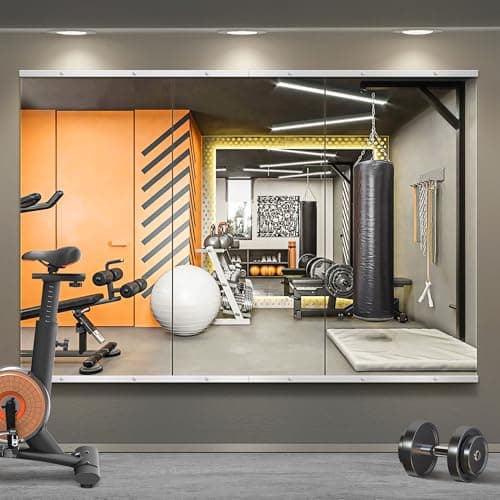
TRAHOME Frameless Gym Wall Mirror (48x24, 3-pack)
The cheapest way to mirror a wide wall — frameless tempered panels you tile across as far as you need.
Type
Frameless wall panels
Size
48" x 24", 3-pack
Glass
Tempered safety glass
Mount
Adhesive + wall fixings
Pros
Cheapest cost to cover a wide wall
Tile more panels for as much width as you want
Frameless panels sit flat and modern
Cons
Seams between panels break up the view
Fiddlier to hang straight and level
Needs a flat, sound wall for a clean line
Best for: covering a wide wall for less.
Skip this
The budget traps that look cheap and cost you twice. We'd skip these.
Stick-on plastic or acrylic 'mirror' tiles
The cheapest peel-and-stick mirror tiles are false economy in a gym. The plastic ones warp against the wall and distort your reflection — which defeats the whole point of checking your form — and cheap glass versions aren't tempered, so a stray plate or bar can shatter them into sharp shards. Buy one tempered mirror, not a wall of flimsy tiles.
How to choose (and what to skip)
Tempered glass, non-negotiable
A gym mirror shares a room with swinging bars and dropped plates, so it has to be tempered safety glass. Tempered glass is far stronger and, if it ever does break, crumbles into blunt pieces instead of long shards. Confirm 'tempered' in the listing before anything else — it's the one spec you can't compromise on.
Go wide enough to see the lift
A narrow mirror only shows you a sliver. Aim for at least 48 inches of width so you can see your whole body in your main lifts — a squat stance, a press, a full hinge. Wider is better if the wall allows; you want the whole movement in frame, not just your torso.
One big pane vs tiled panels
A single large mirror gives a clean, seamless view and is quicker to hang, but costs more and is heavier to handle. Tiled panels are cheaper per square foot and let you cover a very wide wall, at the cost of seams and more careful leveling. Pick by budget and how wide a wall you're covering.
Mount it, don't just lean it
A big mirror leaned against the wall near a rack is a tip hazard — a bumped bar or plate can bring it down. Secure floor mirrors with the anti-tip strap or bracket, and fix wall panels with both adhesive and the mechanical fixings the maker specifies. A few minutes anchoring it is cheap insurance.
Frequently asked questions
What size mirror do I need for a home gym?+
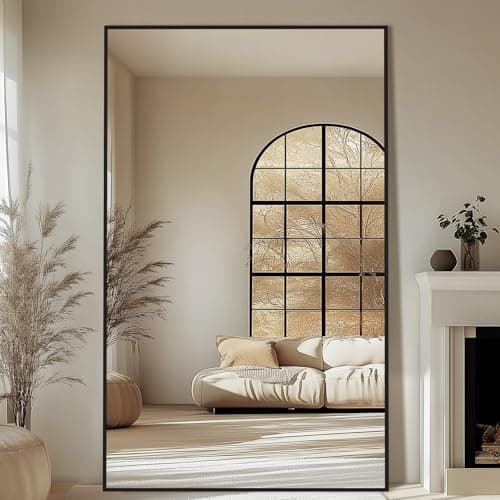
Wide enough to see your whole body during your main lifts — that's roughly 48 inches of width and up, and tall enough to catch your feet and hips in a squat or hinge. A 72x44 floor mirror covers most single-station setups; for a wider lifting area, tile a few panels across the wall to get the width you need.
Do gym mirrors have to be tempered glass?+
For a room with barbells and plates, yes — treat it as non-negotiable. Tempered safety glass is much stronger than standard glass and breaks into blunt pieces rather than long shards, which matters a lot when a stray bar or plate is what breaks it. Skip any mirror that doesn't clearly say tempered.
Are stick-on mirror tiles any good for a gym?+
Not for a gym. Plastic and acrylic tiles warp and distort your reflection, so you can't trust what you see — which is the whole reason to have a mirror. Cheap glass tiles usually aren't tempered, so they're a shatter risk near iron. One tempered mirror does the job better and safer than a wall of flimsy tiles.
Should I lean the mirror or mount it to the wall?+
Mount it, or at minimum anchor it. A large mirror leaning near a rack can be knocked over by a bumped bar or plate. Use the anti-tip strap on a floor mirror, and fix wall panels with the adhesive plus the mechanical fixings the maker lists. It takes a few minutes and removes a real hazard.
Prices and availability shown here come from Amazon's live data and change often; we re-verify them regularly. Bar Bumper is an Amazon Associate and earns a commission on qualifying purchases at no extra cost to you. Read our full disclosure.